
Companion Plants
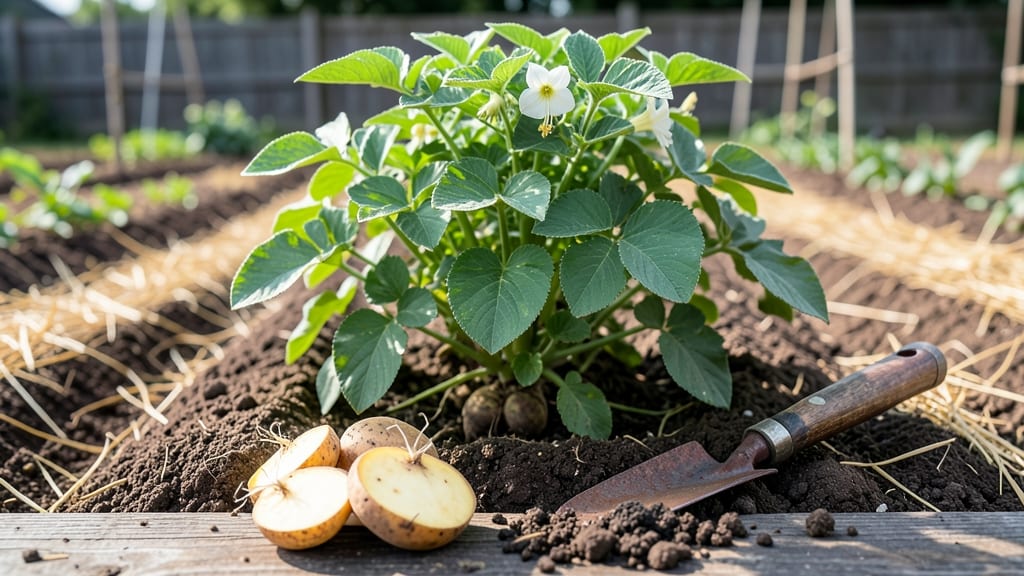
Planting potatoes in Michigan isn’t just about throwing 🥔 pieces into the dirt—it’s about mastering the exact timing to beat unpredictable frosts and summer heat. Skip the guesswork and learn when to plant for a bumper harvest, whether you’re in Detroit or the Upper Peninsula.
Michigan’s Zone 5B-6A climate demands precision: plant too early, and a late frost will kill your sprouts; too late, and your harvest shrinks before summer’s end. I’ll break down the ideal frost-free window—plus soil temperature secrets—to ensure your potatoes thrive from seed to spud.
From early varieties like ‘Yukon Gold’ to late-season ‘Kennebec,’ we’ll cover which potatoes suit Michigan’s short growing season. You’ll also discover how to prep your soil, space plants perfectly, and avoid common pitfalls that waste time and effort.
Ready to grow potatoes that outperform store-bought? Let’s dive into the step-by-step guide that turns Michigan’s tricky climate into your advantage.
Michigan potato planting timeline: exact dates by last frost date
Planting potatoes in Michigan requires precision timing to avoid frost damage and maximize yield. The last average frost date in Michigan's Zone 5B-6A typically falls between April 15 and May 1, but this varies by region.
Northern areas like the Upper Peninsula face later frosts, while southern Michigan can plant earlier. Always check the USDA Plant Hardiness Zone Map for your specific location.
For most of Michigan, early planting begins 4-6 weeks before the last frost date. This means starting seed potatoes indoors or in a protected environment by mid-March.
If you're planting directly in the ground, aim for late April to early May when soil temperatures reach at least 50°F and consistently stay above freezing.
Late frosts are common in Michigan, so use frost cloths or row covers for extra protection if planting early. Always monitor local weather forecasts, as unexpected late frosts can devastate young potato plants. The National Weather Service and Michigan State University Extension provide reliable frost date predictions for your area.
Here’s a quick reference for Michigan’s three planting windows based on frost dates:
| Planting Window | Recommended Varieties | Risk Level | Action Items |
|---|---|---|---|
| Early Planting (Indoors/Protected) | Early varieties (e.g., 'Early Red,' 'Yukon Gold') | High (late frost risk) | Use frost cloths, plant in containers |
| Standard Planting (Ground) | Mid-season (e.g., 'Kennebec,' 'Russet') | Moderate (depends on frost date) | Plant after last frost, mulch heavily |
| Late Planting (Emergency) | Fast-maturing (e.g., 'Red Norland') | Low (short season) | Use row covers, prioritize sunlight |
In northern Michigan (e.g., Traverse City, Marquette), wait until mid-May to plant, as frosts can linger into early June. Southern Michigan (e.g., Detroit, Kalamazoo) can start as early as late March under protection. Always choose certified seed potatoes to avoid diseases like blight, which thrive in Michigan’s humid climate.
For a second crop, plant late-season varieties like 'Kennebec' in early June. These potatoes mature in 90-120 days, allowing you to harvest before the first frost in October. This strategy extends your growing season and increases yield potential.
Pro tip: Use a soil thermometer to confirm soil temperatures are above 50°F before planting. Cold soil slows germination and increases disease risk. If temperatures drop below freezing at night, cover your potato beds with straw or mulch to insulate the soil.
Michigan’s short growing season demands careful planning. By aligning your planting schedule with local frost dates and soil conditions, you’ll ensure a bountiful harvest of crisp, flavorful potatoes. Don’t wait until the last minute—start preparing your seed potatoes and soil now!
🌱
How to prepare Michigan soil for potato planting: temperature and depth guide
Michigan’s unpredictable spring weather can turn your potato planting into a gamble if your soil isn’t ready. The key to success? Warm soil (50°F+) and proper depth—both critical for breaking dormancy and preventing rot. Let’s dig into the exact steps to prep your garden beds like a pro.
Start by testing your soil temperature with a soil thermometer. Potatoes thrive when soil reaches 50°F or warmer, but 55°F+ is ideal for faster germination.
In Michigan’s Zone 5B-6A, this usually happens between late April and early May, but northern regions like the Upper Peninsula may need to wait until mid-May.
Before planting, loosen the soil to a depth of 12 inches to encourage tuber growth. Mix in 2-3 inches of compost or well-rotted manure to boost fertility. Avoid fresh manure—it can burn delicate potato sprouts and attract pests like Colorado potato beetles.
| Requirement | Specification |
|---|---|
| Soil Temperature | 50°F+ (55°F+ ideal) |
| Planting Depth | 3-4 inches deep |
| Soil pH | 5.0-6.5 (slightly acidic) |
| Drainage | Well-draining (avoid clay-heavy soils) |
| Last Frost Date | Plant 4-6 weeks before |
If your soil feels cold or soggy when you test it, don’t rush planting. Cold soil delays germination and increases the risk of disease like blackleg. Instead, use row covers or black plastic mulch to warm the soil faster.
For heavy clay soils, mix in sand or perlite to improve drainage—potatoes hate sitting in waterlogged soil.
Once your soil is ready, create mounds or trenches (6-12 inches deep) to plant your seed potatoes. Space them 12 inches apart in rows 30 inches apart to allow for tuber expansion.
As the plants grow, hill soil around the stems to protect tubers from sunlight (which turns them green and toxic).
Pro tip: If you’re in northern Michigan and facing a late spring, consider container growing. Use large pots with drainage holes and plant seed potatoes in early April under a hoop house. This gives you a 2-3 week head start on the growing season.
Finally, avoid planting potatoes in the same spot year after year. Rotate crops with beans, peas, or corn to prevent soil-borne diseases. With the right soil prep, your potatoes will sprout quickly and grow vigorously, setting you up for a bountiful harvest by summer’s end.