
Planting
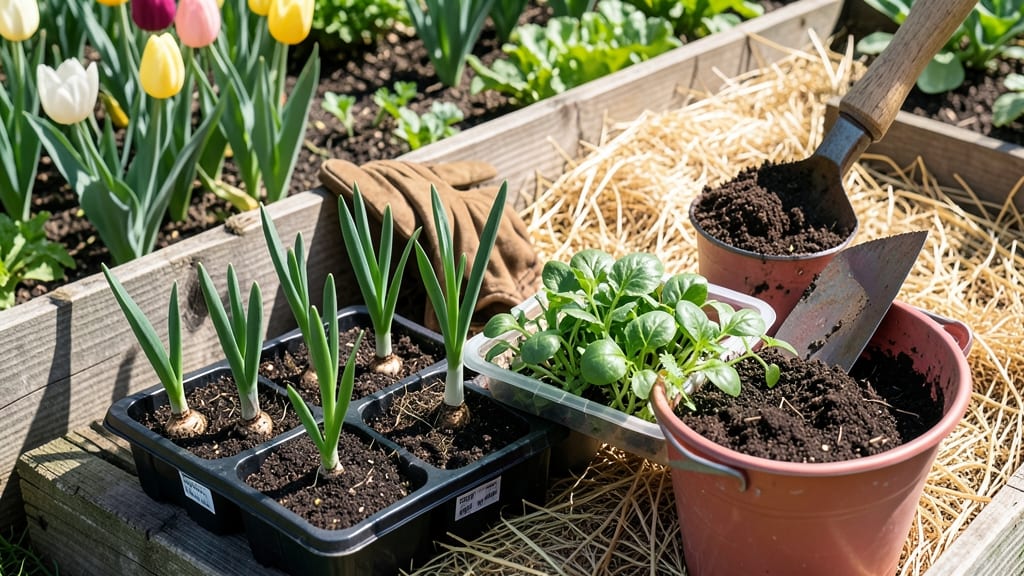
Planting your garden at the wrong time in Cleveland, Ohio, can mean the difference between a bountiful harvest and wasted effort—especially when frost dates shift unpredictably from year to year.
With USDA Zone 6a conditions and average last frost dates around April 15, timing is everything for 🌱 General Garden Vegetables (Spring/Fall) that thrive in this region.
I’ve spent years growing everything from leafy greens to tomatoes in Cleveland, and the key to success isn’t just knowing what to plant—it’s knowing when. Missing the window by even a few weeks can leave your crops struggling, while planting too early risks frost damage.
This guide breaks down the exact frost-free timeline, so you can align your garden with Cleveland’s climate and avoid common mistakes.
Whether you’re a first-time gardener or a seasoned pro, understanding the spring and fall planting windows will help you maximize yields. We’ll cover everything from soil prep to succession planting, so you can enjoy fresh produce from June through October—without guessing when to start.
Ready to turn your garden dreams into reality? Let’s dive into the perfect planting schedule for Cleveland’s unique growing season.
Cleveland Ohio frost dates & ideal planting windows by season
Cleveland’s USDA Zone 6a climate gives gardeners a 165-day frost-free window—but timing is everything. The average last spring frost hits around April 20, while the first fall frost arrives near October 15.
These dates create your planting framework, but microclimates (like urban heat islands or sheltered yards) can shift them by 1-2 weeks.
For cool-season crops like spinach and peas, you can start as early as March 15 under row covers. Warm-season crops like tomatoes and peppers, however, need to wait until after May 1—when soil temperatures consistently hit 60°F.
Fall plantings should begin by August 1 to ensure harvests before frost.
Urban gardeners in Cleveland often experience warmer microclimates due to pavement and buildings, which can delay frost by 5-7 days. Rural areas, meanwhile, may see earlier frosts. Always check the National Weather Service Cleveland for weekly frost predictions in late spring and early fall.
📅 Key Dates to Mark: March 15: Start hardy seeds indoors April 20: Last average frost (wait 2 weeks after for warm crops) May 15: Safe for tomatoes, peppers, and cucumbers August 1: Begin fall plantings October 15: First average frost (harvest before this date)
| Season | Planting Window | Ideal Crops | Soil Temp | Notes |
|---|---|---|---|---|
| Early Spring | March 15 - April 15 | Peas, Spinach, Lettuce, Onions | 40-50°F | Use row covers for frost protection |
| Late Spring | April 20 - May 15 | Carrots, Beets, Radishes, Kale | 50-60°F | Wait until after last frost |
| Summer | May 15 - August 1 | Tomatoes, Peppers, Cucumbers, Corn | 60°F+ | Use mulch to retain moisture |
| Early Fall | August 1 - September 1 | Broccoli, Cabbage, Brussels Sprouts | 50-60°F | Choose fast-maturing varieties |
| Late Fall | September 15 - October 1 | Spinach, Garlic, Lettuce | 40-50°F | Protect with cold frames |
Cleveland’s variable weather patterns mean you should always have a backup plan. For example, 2018’s late spring frost hit on May 10, damaging early plantings. To mitigate risks, use frost cloth for a 2-week buffer after the average last frost date.
Perennials like asparagus and rhubarb can be planted in early spring (March) or early fall (September), but they require 2-3 years to establish. Annuals, however, demand precision—tomatoes planted before May 1 often suffer from cold soil shock, stunting growth.
For container gardening, warm-season crops can be planted 2 weeks earlier since containers warm up faster. Just ensure pots have drainage holes and use lightweight potting mix to prevent overheating.
Local Cleveland Botanical Garden hosts free frost-date workshops each spring—attend one to get hyper-localized advice. Their 2023 data showed urban areas like Ohio City had a 3-day later frost than rural Parma, proving microclimates matter.
Pro tip: Keep a garden journal to track your local frost dates. Over 3-5 years, you’ll spot patterns that differ from the averages. For instance, my 2022 garden saw its last frost on April 28—8 days later than the norm!
🌱 Remember: Cleveland’s growing season is short but productive. By aligning your plantings with these windows, you’ll maximize yields and avoid the heartbreak of frost-nipped veggies.
Best crops to plant in Cleveland Ohio by month (March–October)
Cleveland’s short but productive growing season rewards gardeners who plan strategically by month. March kicks off with cold-hardy crops like peas and spinach, while July becomes prime time for heat-lovers like tomatoes and peppers.
Let’s break down the best plants to sow each month based on Cleveland’s USDA Zone 6a climate and frost-free timeline.
For continuous harvests, I recommend succession planting every 2-3 weeks for fast-growing crops like lettuce and radishes. This ensures your kitchen garden stays stocked from spring through fall. Start with cool-season staples in early spring, then transition to warm-season favorites as temperatures rise above 60°F consistently.
🌱
📅 March
📅 April
📅 May
📅 June–July
📅 August–September
For late-season extensions, try heat-tolerant varieties like ‘Heatmaster’ tomatoes or ‘Malabar’ spinach, which thrive in Cleveland’s August heat waves. Always check seed packets for days to maturity—aim to harvest before the first frost (Oct 15 avg.).
Pro tip: Use row covers to protect fall crops from early frosts. I’ve successfully extended my kale harvest into November with lightweight fabric covers! 🌿