
Planting
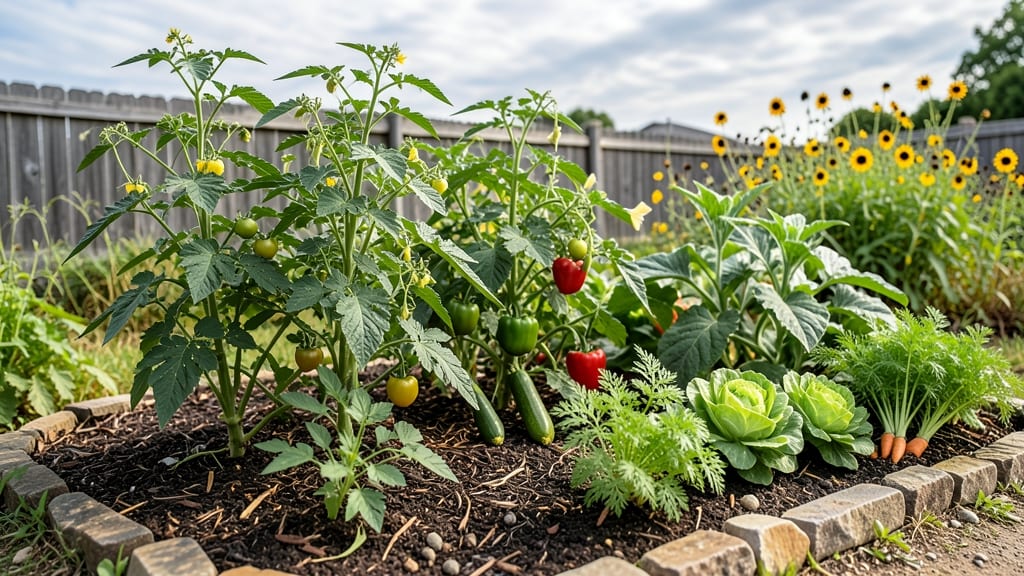
Timing when to plant a vegetable garden in Virginia isn't just about the calendar—it's about beating frost, outsmarting heat waves, and matching crops to your specific zone. Plant too early, and a late frost wipes out your broccoli; too late, and your tomatoes never ripen.
The difference between a bumper crop and a sad salad bowl often comes down to knowing when to put seeds in the ground.
With Virginia's USDA zones 6a-8a stretching from the cool mountain valleys to the warmer coastal plains, there's no one-size-fits-all answer. What works for a gardener in Roanoke might fail in Norfolk, and vice versa. That's why understanding your local frost dates—and adjusting for microclimates—is the key to a thriving garden.
In this guide, I'll break down the exact planting windows for spring and fall crops, from cool-season favorites like spinach to heat-loving tomatoes. You'll learn when to start seeds indoors, when to transplant seedlings, and how to stretch your growing season with simple tricks.
No more guesswork—just a clear, zone-specific roadmap to your best harvest yet.
Whether you're a first-time gardener or a seasoned pro, these deadlines will help you avoid common mistakes and maximize your garden's potential. Let's get those seeds in the ground at the perfect time!
Virginia planting deadlines by USDA Zone: spring and fall schedule
Virginia’s planting schedule varies dramatically from the coastal plains (USDA Zone 8a) to the mountains (Zone 6a), where frost lingers longer. Understanding these zone-specific deadlines ensures your cool-season crops thrive before summer heat and your warm-season crops establish roots before fall frost.
Let’s break down the exact windows for each zone.
For Zone 8a (e.g., Norfolk, Virginia Beach), the last frost typically arrives by February 15, while Zone 6a (e.g., Roanoke, Blacksburg) often sees its last frost around March 15.
These dates dictate when to start seeds indoors or transplant seedlings outdoors. Missing these windows can mean stunted growth or complete crop failure.
Here’s a zone-by-zone breakdown of your planting deadlines, including ideal transplant dates and fall replanting windows to maximize your harvest.
| USDA Zone | Last Frost Date | Spring Planting Window | Fall Planting Window | Key Crops for Spring | Key Crops for Fall |
|---|---|---|---|---|---|
| 8a (Norfolk, Virginia Beach) | February 15 | March 1 - April 15 | August 1 - September 15 | Lettuce, Spinach, Peas, Broccoli | Kale, Carrots, Radishes, Green Onions |
| 7a (Richmond, Charlottesville) | March 1 | March 15 - April 30 | July 15 - September 1 | Peas, Radishes, Cabbage, Lettuce | Beets, Turnips, Swiss Chard, Spinach |
| 6a (Roanoke, Blacksburg) | March 15 | April 1 - May 15 | July 1 - August 31 | Broccoli, Cauliflower, Kale, Peas | Lettuce, Spinach, Radishes, Green Beans |
| 5b (Highland County) | April 1 | April 15 - June 1 | June 15 - August 15 | Spinach, Peas, Radishes, Lettuce | Beets, Carrots, Kale, Swiss Chard |
*Adjust dates 1-2 weeks earlier for coastal areas (warmer microclimates) and later for mountain regions (cooler microclimates).
Notice how Zone 8a gardeners can start planting cool-season crops like lettuce as early as February, while Zone 6a gardeners must wait until April to avoid frost damage. Similarly, fall planting windows shift earlier in northern zones to accommodate the earlier first frost dates.
For warm-season crops like tomatoes, peppers, and cucumbers, wait until 2-3 weeks after your last frost date to transplant seedlings. In Zone 8a, this means planting by March 15, while Zone 6a gardeners should hold off until April 15 to avoid heat stress on young plants.
Pro tip: Use row covers or cold frames to extend your spring planting window by 2-4 weeks for heat-sensitive crops like basil or cilantro. This is especially useful in Zone 6a, where cool nights can linger into May.
In the fall, prioritize fast-maturing crops like radishes or lettuce in Zone 6a to harvest before the first frost. Meanwhile, Zone 8a gardeners can enjoy a second round of warm-season crops like okra or sweet potatoes planted as late as August.
Always check your local extension office for microclimate adjustments—urban areas like Richmond often experience heat islands that push back frost dates by a week or more compared to rural areas.
Missed a planting window? Don’t worry—succession planting and container gardening can help you squeeze in extra harvests even outside these deadlines. For example, you can grow bush beans in containers on a patio well into July for a late-summer harvest.
Start with these deadlines, and soon you’ll be harvesting homegrown veggies all season long—from spring peas to fall kale!
Best vegetables to grow in Virginia by season: cool vs. warm weather crops
Virginia’s diverse climate thrives with the right seasonal vegetables. Cool-season crops like broccoli and spinach love spring’s mild temps, while okra and sweet potatoes shine in summer’s heat. Let’s break down the best picks for each season to maximize your harvest.
For spring planting (March-April), focus on cool-hardy vegetables that tolerate light frosts. These include lettuce, peas, and radishes, which mature quickly before summer heat sets in. Onions and carrots also thrive in cooler weather, making them ideal early-season crops.
🌱
- Broccoli – 60-90 days
- Peas – 60-70 days
- Spinach – 30-50 days
- Lettuce – 30-60 days
- Radishes – 25-30 days
- Tomatoes – 70-85 days
- Peppers – 60-90 days
- Okra – 50-60 days
- Sweet Corn – 60-90 days
- Cucumbers – 50-70 days
- Kale – 50-60 days
- Brussels Sprouts – 90-100 days
- Beets – 50-60 days
- Turnips – 40-60 days
- Green Onions – 60-80 days
Urban gardeners can still grow these vegetables in containers. Bush beans, cherry tomatoes, and baby carrots are perfect for pots, while lettuce and herbs like basil thrive in small spaces. Just ensure containers have drainage holes and use lightweight potting soil.
If you’re in Zone 8a (like Norfolk), you can extend your warm-season crops later into fall. Sweet potatoes and collard greens handle cooler temps better than other summer veggies, giving you a second harvest before frost.
🌿