
Trees
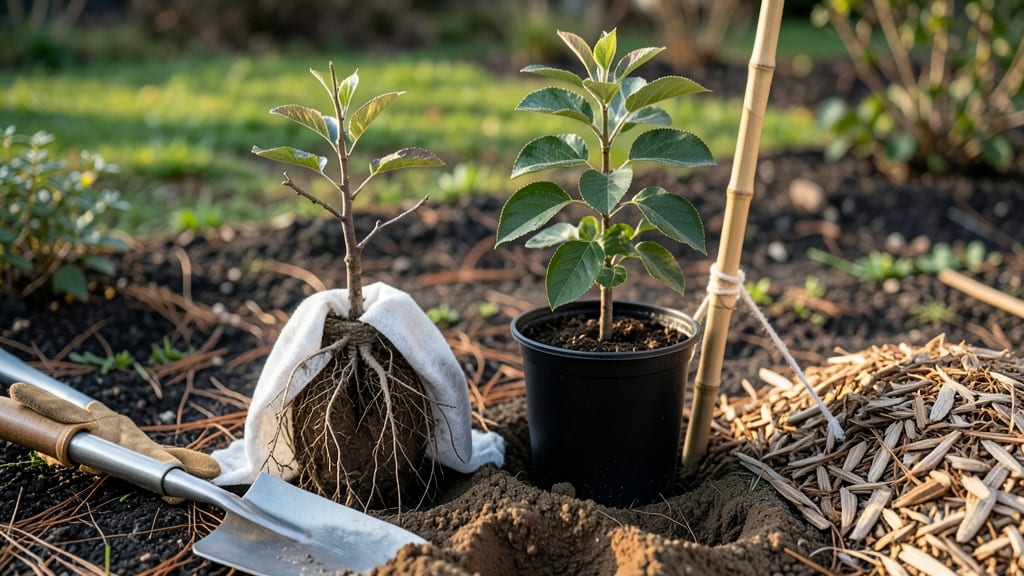
Planting an apple tree 🍎 in Massachusetts isn’t just about sticking it in the ground—it’s about timing it perfectly to survive the harsh winters and thrive for decades. The wrong window could mean stunted growth or frost damage, while the right timing ensures strong roots and bountiful harvests.
In Zone 5B/6A, your best bets are early spring (March–April) or early fall (September–October), when soil temperatures and moisture levels are ideal for root establishment.
But here’s the catch: coastal areas and inland regions have different frost risks, so we’ll break down exactly when to plant based on your local microclimate.
Whether you’re working with bare-root saplings or containerized trees, I’ll walk you through the critical steps—from soil prep to frost dates—to guarantee your apple tree takes hold. Let’s get those roots growing the right way.
By the end, you’ll know exactly when to dig, how to adjust for your specific corner of Massachusetts, and which varieties handle the short growing season best. No more guesswork—just a thriving orchard in your backyard.
Optimal planting window for Massachusetts apple trees (zone 5B/6A)
Massachusetts’ climate—with its unpredictable spring frosts and short growing season—demands precise timing for apple tree planting. The ideal window is either early spring (March–April) or early fall (September–October), when soil temperatures hover between 40°F and 50°F. This ensures roots establish before dormancy or summer heat stress.
Spring planting (before bud break) lets trees focus on root growth rather than foliage, while fall planting (6–8 weeks before frost) allows roots to settle before winter.
Coastal areas like Cape Cod may plant slightly later due to milder microclimates, but inland Pioneer Valley zones should follow the earlier timeline.
Here’s the breakdown of soil temperature, frost risk, and regional adjustments for your planting success:
| Month | Soil Temp (°F) | Frost Risk | Best For | Regional Note |
|---|---|---|---|---|
| March | 40–50°F | Moderate (last frost: mid-April) | Bare-root trees | Inland areas (e.g., Worcester) |
| April | 50–60°F | Low (after last frost) | Containerized trees | Coastal (e.g., Boston) |
| September | 50–60°F | Moderate (first frost: mid-October) | Bare-root trees | Early planting for inland |
| October | 40–50°F | High (first frost imminent) | Containerized trees | Coastal areas only |
For bare-root trees, prioritize spring planting—roots are dormant and ready to absorb moisture immediately. If choosing containerized trees, fall planting works well, as they adapt faster to transplant shock. Always check local frost dates via the USDA Plant Hardiness Zone Map for your specific town.
Pro tip: Amend your planting hole with compost and a slow-release fertilizer (10-10-10) to jumpstart root growth. Mulch with wood chips to retain moisture and regulate soil temperature—critical in Massachusetts’ temperature swings.
Miss the ideal window? Don’t panic. Late spring (May) or early fall (August) can work for containerized trees, but expect slower initial growth. The key is soil prep: loosen soil 12–18 inches deep and ensure proper drainage to prevent root rot during Massachusetts’ wet springs.
Regional microclimates matter. Western MA (e.g., Berkshires) has later last frosts (May 10), while Eastern MA (e.g., Plymouth) may see frost as late as May 5. Use these dates to fine-tune your planting schedule—delay by 1–2 weeks in colder inland areas.
Planting in early fall? Water deeply before the ground freezes to protect roots. Use burlap wraps around the root ball if planting near first frost dates. This extra insulation can mean the difference between a thriving tree and winter damage.
Remember: Root establishment is your top priority. A tree with strong roots by winter will outperform one planted at the wrong time, even if it’s a year or two before fruiting. With the right timing, your apple tree could bear fruit in just 3–5 years—worth the patience!
5 Critical factors that determine your planting success in MA
Planting apple trees in Massachusetts isn’t just about picking a month—it’s about understanding five critical factors that separate thriving orchards from struggling saplings. From soil pH to frost dates, each plays a pivotal role in your tree’s first-year survival and long-term fruit production.
Let’s break down what truly matters for Zone 5B/6A success.
First, soil temperature must reach 40°F (4°C) before planting. Cold soil stunts root growth, leaving young trees vulnerable to winter kill. Use a soil thermometer to confirm—this is your green light for spring planting.
In early fall, soil should still be warm enough for roots to establish before ground freezes, typically by mid-October.
The USDA Plant Hardiness Zone guides variety selection, but microclimates in Massachusetts add complexity. Coastal areas like Cape Cod (Zone 6B) enjoy milder winters, while inland regions like Pittsfield (Zone 5A) face harsher frosts.
Choose varieties like McIntosh for inland zones or Honeycrisp for coastal areas where winter chill hours are lower.
| Factor | Massachusetts Specification | Why It Matters |
|---|---|---|
| Soil Temperature | 40°F (4°C) minimum | Prevents root shock and promotes establishment |
| Last Frost Date | Mid-April to early May | Avoids frost damage to new shoots |
| Soil pH | 6.0–7.0 (slightly acidic) | Optimal for nutrient uptake and root health |
| Sunlight Exposure | 6–8 hours daily | Critical for fruit development and disease resistance |
| Variety Hardiness | Zone 5B/6A rated (e.g., McIntosh, Cortland) | Ensures survival through winter chill and spring frosts |
Don’t overlook drainage—apple trees despise soggy roots. Test your soil by digging a 12-inch hole; if water pools after 24 hours, amend with compost or sand to improve aeration. Poor drainage leads to root rot, a silent killer that strangles young trees before they bear fruit.
Finally, tree variety and rootstock determine how well your apple tree adapts. Dwarf varieties like G.202 rootstock thrive in containers but need staking in windy MA regions. Standard varieties like McIntosh on MM.111 rootstock are hardier but require 20+ feet of spacing for proper airflow and sunlight.
Master these five factors, and you’ll give your Massachusetts apple trees the best possible start. Skip any, and you risk years of stunted growth—or worse, failure. The difference between a fruit-bearing orchard and a failed experiment often comes down to these details.