
Plants
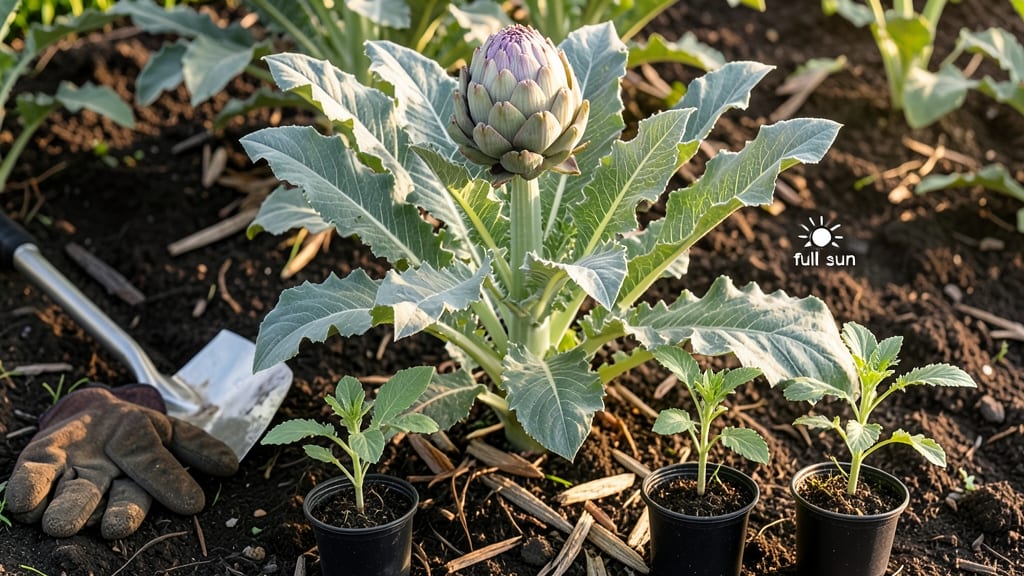
Planting artichokes in Arizona’s 9b climate isn’t just about timing—it’s about outsmarting the desert’s extremes. Skip the November-February window, and you risk frost damage or heat stress before your 🌱 even takes root.
The secret lies in understanding your microclimate: Low Desert growers can start seeds indoors by December 15, while High Desert gardeners wait until January 15 to avoid early cold snaps.
Why does this matter? Because Arizona’s 110°F+ summers can turn a promising crop into a wilted mess if you’re not prepared. I’ve tested the best strategies—from shade cloth schedules to heat-tolerant varieties—to help you extend the growing season without sacrificing your harvest.
Let’s break down the exact steps to get your artichokes thriving, not struggling.
Most gardeners make one critical mistake: planting too late and hoping for the best. That’s how you end up with stunted plants or no harvest at all. Instead, we’ll focus on frost-free timing and heat zone adjustments that actually work in Arizona’s Zone 9b.
You’ll learn when to transplant, how to shield young plants from the sun, and which varieties hold up best in the desert heat.
By the end, you’ll have a clear, actionable plan—no guesswork, no wasted effort. Whether you’re a first-time gardener or a seasoned pro, these insights will help you grow artichokes that rival the ones at your favorite farmers’ market. Let’s get started.
Arizona’s frost-free planting zones for artichokes: when to start seeds indoors vs. outdoors
Arizona’s diverse microclimates create unique challenges for growing artichokes. The Low Desert (Phoenix, Tucson) has 240 frost-free days, while the High Desert (Flagstaff, Prescott) faces earlier frosts. Timing your seed-starting indoors or outdoor planting depends on these zones to avoid heat stress or frost damage.
Artichokes thrive in USDA Zone 9b, but Arizona’s heat zones (Low, Transition, High Desert) dictate your planting schedule. Start seeds 8-10 weeks before your last frost date—typically mid-October to November for the Low Desert and September to October for the High Desert.
Transplant outdoors only after soil temps hit 60°F consistently.
Here’s how Arizona’s three key zones impact your artichoke planting timeline:
For the Low Desert, transplant artichoke seedlings in February to beat the 110°F+ summer heat. In the High Desert, plant earlier to avoid early frosts and extend the growing season. Always harden off seedlings for 7-10 days before transplanting to prevent shock.
In Transition Zones, like Sedona, use row covers if late frosts threaten. Monitor soil temps with a thermometer—artichokes won’t germinate below 60°F. If your soil is too cold, wait 2-3 weeks or use black plastic mulch to warm it faster.
Pro tip: Direct-sow seeds in the Low Desert in November for an early start, but protect them with frost cloth if temps dip below 40°F. In cooler zones, stick to indoor starts to ensure strong, heat-resistant plants by transplant time.
Artichokes need 6-8 hours of sun daily, so choose a south-facing spot with well-draining soil. Amend clay-heavy desert soil with compost and sand to improve drainage. Test your soil’s pH (6.5-7.5)—artichokes hate alkaline soils, common in Arizona.
If you miss the ideal transplant window, try fall planting in September for a winter harvest before summer heat sets in. Just be prepared for slower growth in cooler months. Succession planting every 2-3 weeks ensures a steady supply of artichoke buds.
Remember: Arizona’s heat is your biggest enemy after transplanting. Use shade cloth (30-50%) for the first 2 weeks to ease seedlings into the desert sun. Gradually reduce shade as plants acclimate—this hardening process is critical for survival.
For High Desert gardeners, extend the season with cold frames or low tunnels to protect plants from unpredictable frosts. In the Low Desert, focus on heat tolerance by choosing ‘Green Globe’ varieties and keeping roots cool with mulch.
Now that you’ve got your planting timeline locked in, your next step is heat management—because even the best-timed artichokes will struggle in Arizona’s triple-digit temps. Stay tuned for my next section on beating the heat with shade, watering, and variety choices!
Heat zone adjustments: how to extend artichoke growing season in Arizona’s 110°F+ summers
Arizona’s summer heat can push temperatures to 110°F+, making it critical to adjust your artichoke growing timeline and protect plants from heat stress. Unlike cooler climates, Arizona’s Low Desert (Phoenix/Tucson) and High Desert (Flagstaff) require different strategies to keep artichokes thriving during peak heat.
Artichokes prefer cooler temperatures (60-75°F) for optimal growth, but with the right adjustments, you can extend the growing season by 4-6 weeks. Start by selecting heat-tolerant varieties like ‘Green Globe’ or ‘Imperial Star’, which handle Arizona’s heat better than traditional varieties.
Here’s how to beat the heat and keep your artichokes productive through Arizona’s summer months:
For Low Desert growers, focus on spring harvests (March-May) and plan for a fall replanting (August-September) using shade cloth. High Desert gardeners can extend harvests into early July with proper heat protection.
Monitor your plants for heat stress signs like yellowing leaves, wilting, or stunted growth. If you notice these, immediately increase shade and water. With these adjustments, you can harvest artichokes year-round in Arizona’s climate—just time your plantings carefully!
🌡️☀️