
Plants
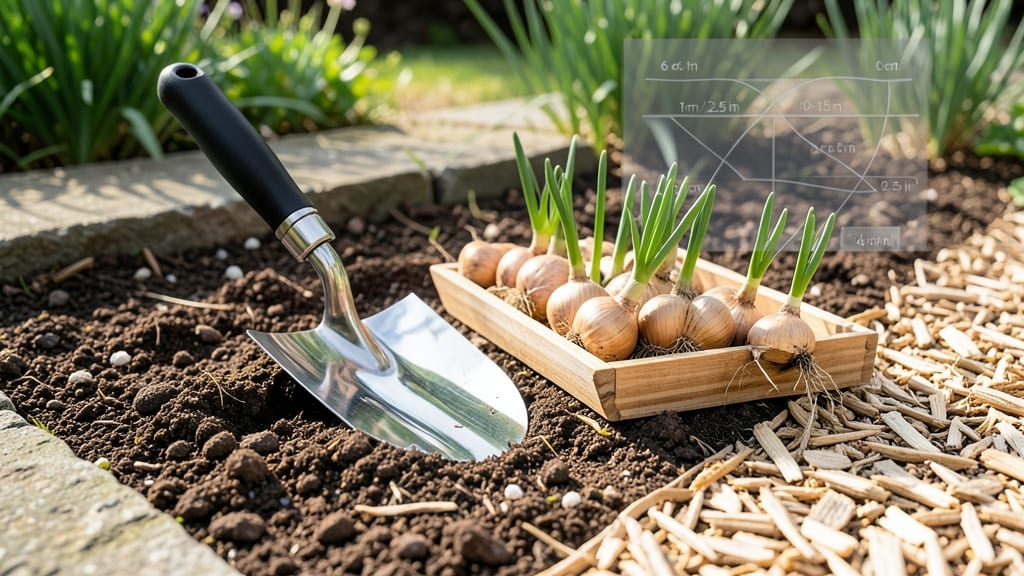
Planting daffodil bulbs 🌼 in California isn’t just about timing—it’s about understanding your region’s quirks. Coastal areas like San Diego thrive with year-round planting, while inland zones need that perfect fall window to avoid summer heat stress.
Get it wrong, and you might end up with floppy stems or no blooms at all.
Here’s the secret: Northern California’s cooler winters (USDA zones 9-10) demand bulbs in the ground by December, while Southern California’s milder climate (zones 9-11) lets you plant as late as January. But don’t wait too long—soil temps matter more than you’d think.
I’ll break down exactly when to plant for your specific microclimate, whether you’re in the foggy coast or a sunbaked valley. Plus, I’ll share the one mistake that ruins more daffodil plantings than anything else. Ready to turn your yard into a springtime explosion of color?
Let’s dive into the California-specific rules that’ll have your 🌼 daffodils popping up like clockwork—no guesswork, just guaranteed blooms. You’ll learn how to prep soil, pick the right depth, and even adjust for early vs. late bloomers.
Best planting months for daffodils in California’s Northern vs Southern regions
California’s diverse climates create a unique challenge for daffodil lovers. In Northern California, cooler winters and USDA zones 9-10 mean you’ll want to plant bulbs earlier, while Southern California’s milder winters (zones 10-11) allow for a more extended window.
The key is planting when soil temperatures drop below 60°F (15°C)—this triggers bulb dormancy and root growth.
For most of California, October through December is ideal. However, coastal areas like San Francisco or Santa Barbara can plant year-round since their mild winters rarely drop below freezing. Inland valleys like the Central Valley may need to plant slightly earlier to avoid winter rains that can rot bulbs.
Let’s break down the best months for each region to ensure your daffodils thrive:
If you’re in Northern California, aim for October or early November to give bulbs time to establish roots before winter rains. In Southern California, you can stretch planting into January, but avoid summer months when soil temperatures exceed 70°F (21°C), which can cause bulbs to rot.
For high-elevation areas like the Sierra Nevada foothills, plant bulbs in September to account for earlier frosts. These regions often experience USDA zone 8 conditions, requiring an earlier start. Always check your local frost dates—even in California, inland valleys can see light frosts in December.
Pro tip: Use a soil thermometer to confirm temperatures. Daffodil bulbs need 6-8 weeks of cool soil (below 60°F) to root properly. If your soil stays warm, hold off until temperatures drop naturally.
One common mistake is planting too late in Southern California. While mild winters allow flexibility, bulbs planted in February or March may not have enough time to establish before summer heat arrives. Always prioritize fall planting for the best results.
🌼
Best planting months for daffodils in California’s Northern vs Southern regions
California’s diverse climate means Northern and Southern regions have very different daffodil planting windows. In cooler Northern zones (like USDA 9-10), aim for October through November—this gives bulbs time to root before winter rains arrive.
Meanwhile, Southern California’s milder winters (USDA 10-11) allow planting from October through December, with coastal areas even tolerating year-round planting in ideal conditions.
Soil temperature is key: daffodil bulbs need cooler soil (below 60°F) to trigger root growth. Inland areas with hotter summers should avoid planting in late summer or fall when soil stays warm—this can cause rot.
Instead, focus on early fall when nights cool down. Coastal regions with mild winters have more flexibility, but even there, planting in summer heat stresses bulbs and reduces bloom success.
Here’s how to align your planting with California’s microclimates:
| Region | USDA Zone | Best Planting Window | Soil Temp Goal | Key Consideration |
|---|---|---|---|---|
| Northern California | 9-10 | October–November | Below 60°F | Winter rains; avoid late planting if frost risk |
| Southern California (Inland) | 10-11 | October–December | Below 65°F | Hot summers; plant early to avoid heat stress |
| Coastal California | 9-10 | September–January | Below 60°F | Mild winters; year-round possible in ideal spots |
For Northern California, prioritize planting by mid-November to ensure bulbs establish roots before winter rains. In Southern California’s inland valleys, extend planting to early December, but avoid waiting too long—bulbs need 6-8 weeks of root growth before dormancy.
Coastal gardeners can plant as late as January in frost-free zones, but early fall still yields the best results for vibrant blooms.
Pro tip: Use a soil thermometer to confirm soil temps are below 65°F before planting. This simple step prevents rot and poor root development, especially in hotter inland areas. Pair this with well-draining soil to mimic daffodils’ natural Mediterranean habitat.
Finally, local frost dates matter—even in California. Inland areas like Sacramento Valley may see light frosts in December, while coastal San Diego rarely dips below freezing. Adjust your timeline accordingly: plant earlier in colder microclimates to avoid winter stress on young roots.