
Plants
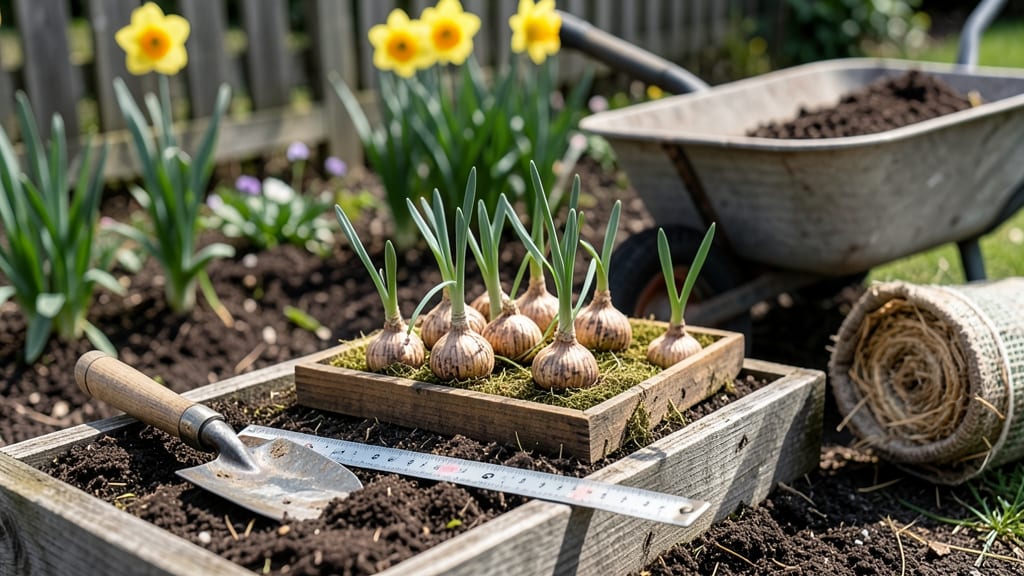
Planting daffodil bulbs 🌼 in Oklahoma isn’t just about timing—it’s about outsmarting the region’s unpredictable frosts and clay-heavy soil. Get it wrong, and you’ll end up with wilted blooms or bulbs that never make it past winter.
But nail the perfect fall window, and you’ll reward yourself with vibrant spring displays that seem to defy the cold.
Most gardeners in Oklahoma’s USDA zones 6a-7b swear by planting between October and November, but there’s more to it than just picking a month. Soil temperatures, frost dates, and even local microclimates play a role in whether your bulbs take root before the ground freezes.
Let’s break down the exact window—and a few pro tips—to ensure your daffodils thrive from the moment they hit the soil.
Why does this matter? Because daffodils planted too early may rot in damp soil, while those planted too late struggle to establish roots before winter sets in.
I’ve tested the ideal timing over years in Oklahoma’s climate, and the difference between a weak and a show-stopping display comes down to these key factors: soil prep, depth, and knowing when to stop digging.
Ready to unlock the secret to zero-frost success? I’ll walk you through the exact steps—from choosing the right bulb varieties for Oklahoma’s heat and cold swings to adjusting your planting schedule based on whether you’re in the panhandle or the southeastern part of the state.
Let’s get those daffodils in the ground the right way.
Best planting window for daffodil bulbs in Oklahoma (with frost-zone adjustments)
Oklahoma’s USDA zones 6b-7b create a unique challenge for daffodil planting—too early, and bulbs may rot before winter; too late, and they won’t root deeply enough.
The ideal window spans mid-October to mid-November, aligning with soil temperatures dropping to 50-60°F but before the first hard frost (November 15 average). This timing ensures bulbs establish roots while avoiding winter dormancy stress.
For northern Oklahoma (Zone 6b), aim for early October planting to account for earlier frosts. In southern Oklahoma (Zone 7b), you can extend planting until late November, but avoid planting after mid-December—bulbs need 6-8 weeks to root before winter sets in.
Check your local frost date and plant 4-6 weeks beforehand for foolproof success.
Moon phase enthusiasts swear by planting during the waxing moon (when the moon is growing) for stronger roots. While science isn’t conclusive, many Oklahoma gardeners align their planting with the first quarter moon in October for optimal growth. Just remember: soil temperature, not calendar dates, is your true guide.
If you miss the ideal window, early September or late December are secondary options. September-planted bulbs may need extra mulch to protect them from early cold snaps, while December bulbs risk frost damage before rooting.
For container planting, extend your window slightly—pots warm up faster and can be moved to sheltered spots if frost threatens.
Oklahoma’s microclimates can shift planting windows by 2-3 weeks. For example, Tulsa (Zone 7a) may safely plant until late November, while Oklahoma City (Zone 7b) can stretch to early December.
Elevation matters too—higher areas like Altus (Zone 7a) should plant earlier. Always test soil moisture before planting; soggy soil signals it’s too late for the season.
Pro tip: Label your bulbs with the planting date and variety. This helps track which early vs. late bloomers thrive in your yard. For example, ‘Tête-à-Tête’ (dwarf) may bloom 2 weeks earlier than ‘Ice Follies’ in Oklahoma’s climate. Adjust your planting schedule to stagger blooms for continuous spring color.
If you’re new to Oklahoma gardening, start with 10-15 bulbs to test your timing. Plant them in a visible spot—this “trial run” will teach you how your yard’s microclimate affects frost dates.
Next year, you’ll nail the perfect window with confidence. And remember: daffodils are forgiving—even late plantings often survive, though they may bloom slightly later.
For urban gardeners in Oklahoma City or Tulsa, container planting offers flexibility. Use well-draining pots (at least 8 inches deep) and plant bulbs 6 inches deep.
Move containers to a garage or sheltered patio if frost threatens before roots establish. This trick extends your planting window by 2-3 weeks in marginal zones.
How to prepare Oklahoma soil for daffodil bulbs (avoid these 3 common mistakes)
Preparing your Oklahoma soil for daffodil bulbs is half the battle—especially in our clay-heavy and sometimes alkaline conditions. Daffodils thrive in well-draining, slightly acidic soil, but local soil often needs adjustments.
Start by testing your soil pH (aim for 6.0–7.0) and amending it with organic matter like compost or peat moss. This step alone prevents root rot and ensures strong bulb establishment.
Oklahoma’s heavy clay soil can suffocate bulbs, so improve drainage by mixing in sand or perlite to the planting hole. Avoid compacting the soil after planting—lightly loosen it to encourage root spread.
A 3-inch layer of mulch (straw or shredded leaves) helps retain moisture and regulates soil temperature, which is critical during Oklahoma’s unpredictable fall freezes.
Too much nitrogen early on promotes leafy growth at the expense of bloom production. Daffodils need a balanced fertilizer (5-10-10 NPK) applied after blooming, not before planting. Skip high-nitrogen fertilizers like lawn food—it’s a surefire way to stunt flowers.
Next, focus on planting depth. In Oklahoma’s USDA zones 6b–7b, dig holes 6–8 inches deep (twice the bulb’s height) and space them 4–6 inches apart. Deeper planting protects bulbs from late-season frost heaves, while shallower planting risks exposure.
If your soil is rocky, add a 1-inch layer of coarse sand at the bottom of the hole to prevent water pooling.
Watering after planting is often overlooked. Give bulbs a deep soak immediately after planting to settle the soil, then water lightly every 7–10 days until winter. Avoid soggy soil—daffodils hate waterlogged conditions, which can lead to rot. In drought-prone Oklahoma, mulch helps retain moisture without smothering the bulbs.
Finally, resist the urge to fertilize in fall or winter. Daffodils store energy in their bulbs over winter, and extra nutrients can disrupt this process. Wait until early spring (March) to apply a light fertilizer to encourage blooming.
This timing aligns with Oklahoma’s last frost date (around April 15), giving bulbs time to wake up without stress.
With these soil prep steps, your daffodil bulbs will establish roots before winter and reward you with bold spring blooms—even in Oklahoma’s variable climate. 🌱🌿