
Trees
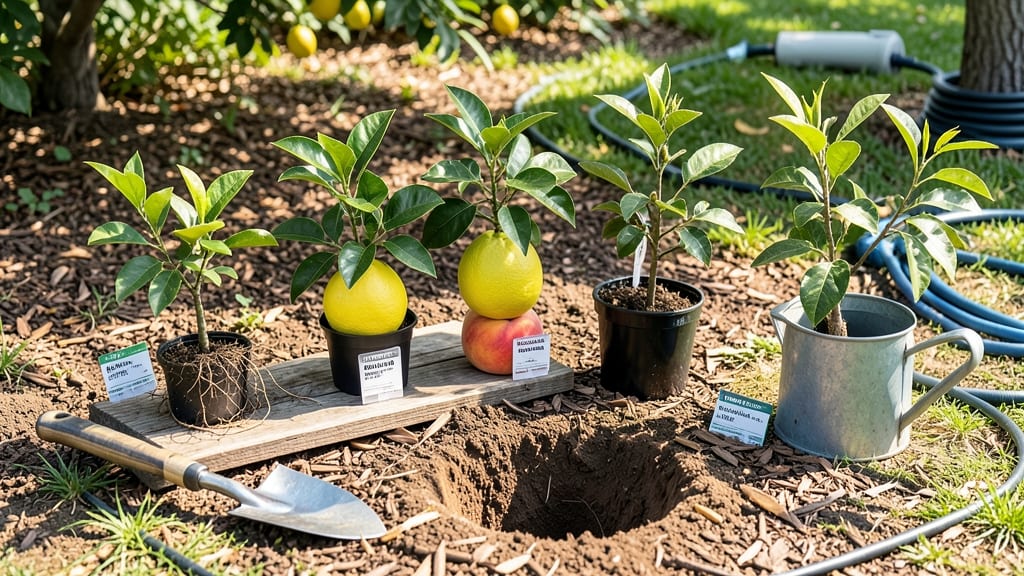
Planting a fruit tree 🍎 in Southern California isn’t just about picking a random month—it’s about avoiding the one mistake that could kill your tree before it even takes root.
With no frost to worry about in most areas, you might think timing doesn’t matter, but heat stress and soil moisture play just as big a role in your tree’s survival.
If you’ve ever watched a newly planted fruit tree wilt under summer’s glare or struggle to establish roots in rocky soil, you know how critical the right window is.
The best time to plant isn’t just winter—it’s a specific stretch of months where your tree gets the perfect balance of cool weather and moisture to thrive.
I’ll break down the exact months that work for your region, whether you’re in coastal San Diego or the inland valleys of Riverside. You’ll learn how to spot the ideal conditions, prep your soil like a pro, and keep your tree hydrated without drowning it.
Let’s get your fruit tree off to the strongest start possible—no guesswork, just science-backed timing for a tree that’ll bear fruit for decades.
Southern California microclimate planting zones: best months by region (coastal vs inland)
Southern California’s microclimates create a puzzle where planting too early or late can ruin your fruit tree’s chances. Coastal areas like San Diego and Santa Barbara enjoy milder winters, while inland valleys like Riverside and Palm Springs face scorching summers just months later.
The key is planting when soil temperatures are ideal—not too hot, not too cold—and avoiding the heat stress that kills young roots.
Most fruit trees thrive when planted during dormant season, which in Southern California runs from November through March. This window ensures your tree establishes roots before summer’s intensity.
However, container-grown trees can be planted year-round, as their roots aren’t exposed to soil temperature extremes. Let’s break down the best months for your specific region.
🌱 Visual Guide: Southern California Planting Zones
If you’re in a coastal zone, aim for November or December to give your tree time to root before summer. Inland areas should wait until January or February to avoid the brutal heat of April and May.
Desert regions? January–February is your only safe window—any later, and your tree will struggle to survive the 100°F+ summers.
Pro tip: Check your local USDA Hardiness Zone (most of SoCal is Zone 9b–11), but don’t rely solely on it. Microclimates matter more! For example, Orange County’s inland areas can be 10°F warmer than the coast just miles away.
Use a soil thermometer to confirm temps are in the ideal range before planting.
For citrus trees, like lemons or oranges, coastal planting in November is perfect—they’ll fruit within 2–3 years. Stone fruits like peaches or plums need the cooler inland winters, so plant them in December–January to align with their natural dormancy cycle. Avocados are the most forgiving and can even handle spring planting, but they’ll establish faster in winter.
One common mistake? Planting bare-root trees in summer. Their roots dry out instantly in SoCal’s heat. Always opt for container-grown trees if you’re planting outside the winter window—or risk watching your investment wilt within weeks. 🌿
Next, we’ll cover the critical pre-planting checks to ensure your soil, water, and location are ready for your new fruit tree—because even the right month won’t save you from poor prep. ✂️
Critical pre-planting checks to avoid common mistakes in Southern California
Before you dig that hole for your new fruit tree, Southern California’s hidden pitfalls can turn your dream into a disaster. The wrong soil pH, unchecked microclimate frost risks, or poor irrigation readiness will stunt growth—or worse, kill your tree before it bears fruit.
I’ve seen citrus trees wilt in inland heat and avocados struggle in coastal fog. Let’s fix that with these three non-negotiable checks.
First, test your soil pH—citrus thrives at 6.0-7.0, while stone fruits like peaches prefer 6.0-7.5. Use a simple home test kit or send a sample to your local UCCE Master Gardener program.
If your soil is too alkaline, amend it with sulfur or peat moss months before planting. Rocky soil? Break it up with compost or sand to improve drainage.
Next, check your microclimate’s frost history. Even in SoCal, high-elevation areas like San Bernardino foothills can see light frost in December or January. Use the USDA Plant Hardiness Zone Map, but go deeper: ask neighbors or check local weather station data for your exact block.
Planting a bare-root tree in a frost-prone pocket? Wait until February to avoid cold snaps.
- Planting citrus in inland valleys during summer → Heat stress kills roots before they establish.
- Skipping soil prep in clay-heavy areas → Poor drainage leads to root rot.
- Using potted trees in peak heat → Container shock + heatwave = instant wilting.
- Ignoring wind exposure in coastal areas → Salt spray burns young leaves.
Finally, ensure your irrigation system is ready. Newly planted trees need deep, consistent watering—10-20 gallons per tree, twice a week for the first month.
If you’re relying on drip irrigation, run a test line to confirm even coverage. Hand-watering? Mark your calendar for early morning sessions to prevent fungal diseases from evening moisture.
Pro tip: Mulch immediately after planting with 3-4 inches of wood chips to retain moisture and regulate soil temperature. Keep mulch 6 inches away from the trunk to avoid rot. In desert-adjacent areas like Palm Springs, use gravel mulch to reflect heat and reduce evaporation.
One last check: Tree variety suitability. Not all fruit trees thrive in SoCal’s heat. Avocados and citrus are year-round stars, but apples and pears struggle in inland areas. Stick to low-chill varieties like ‘Carrizo’ citrus or ‘Hass’ avocados for guaranteed success.