
Plants
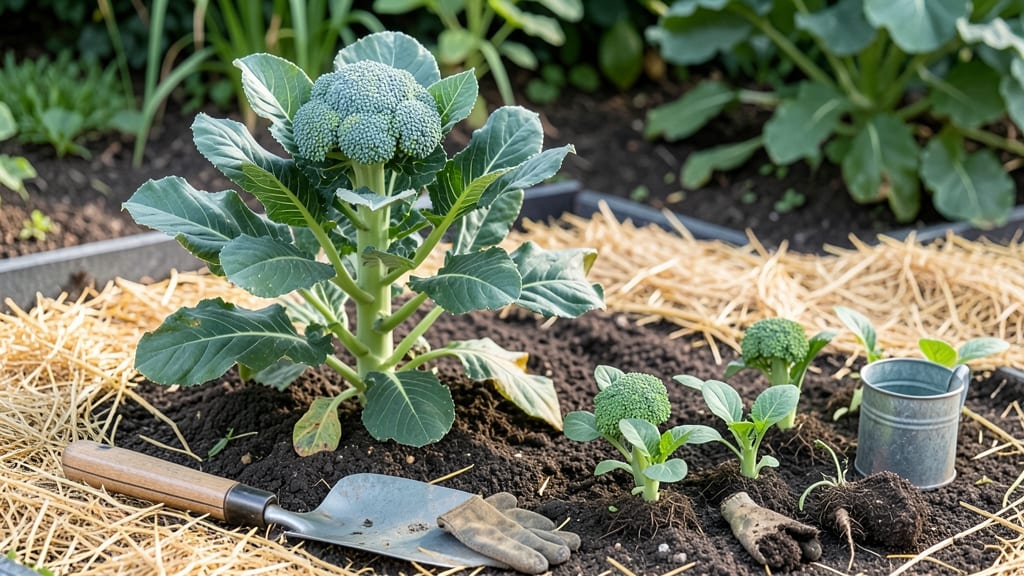
If you've ever stared at your garden calendar wondering when to plant broccoli in Northern California, you're not alone—getting the timing right here means navigating everything from coastal fog to inland frost.
The wrong move could send your 🥦 plants bolting before you even get a harvest, while perfect timing unlocks crisp, flavorful heads all season long.
Here's the secret: Northern California's microclimates create two distinct planting windows that work perfectly for broccoli's cool-weather needs. Whether you're in foggy San Francisco or Sacramento's hotter valleys, I'll show you exactly when to start seeds indoors and when to pop those seedlings into the ground for maximum success.
What you'll discover is how to work with your local climate instead of against it—using frost dates, soil prep tricks, and even companion planting to stretch your harvest from early spring through winter.
Let's dive into the zone-specific schedule that'll have your broccoli thriving when most gardeners are packing up for the year.
From choosing cold-hardy varieties like 'Calabrese' to protecting your plants from unexpected heatwaves, we'll cover all the essentials so you can enjoy homegrown broccoli longer than you thought possible in this region. Ready to transform your garden's potential?
Northern California broccoli planting calendar by USDA zones 8-10
Northern California's diverse microclimates mean your broccoli planting schedule should vary dramatically between coastal San Francisco (USDA Zone 9b-10a) and inland Sacramento (Zone 8a-9a). The key is working with your local last frost dates—coastal areas enjoy 300+ frost-free days, while inland valleys face 200 days or fewer.
This creates two perfect windows: fall planting for winter harvests and spring planting for summer crops.
For coastal gardeners, you can start fall broccoli as late as September 15th and still harvest before winter rains set in. Meanwhile, inland growers should plant by August 15th to avoid early frosts.
The difference? 150 miles and 10°F colder nights—but we'll break it all down so you never guess wrong again.
Here's the visual breakdown of your zone-specific planting calendar, including ideal transplant dates, maturity timing, and harvest windows tailored to Northern California's unique growing seasons:
Notice how coastal areas get an extra month of fall planting? That's because San Francisco's ocean breezes delay heat stress by 3-4 weeks compared to inland areas. For spring planting, all regions align—March 1st is your magic date to get seedlings in the ground before summer heat arrives.
The 60-day maturity window is your golden rule: count backward from your first expected frost (December 1st coastal, November 15th inland) to determine your latest transplant date.
For example, if you're in Zone 9a and want a winter harvest, transplant by October 15th—any later risks bolting before you can enjoy those crisp heads.
Pro tip: Use cold-hardy varieties like 'Calabrese' or 'Green Goliath' for fall plantings—they tolerate 28°F nights without protection, while spring varieties like 'Waltham 29' handle 85°F days better. Matching your variety to your microclimate is half the battle.
For succession planting, stagger your transplants every 2 weeks from August through October. This ensures you're harvesting fresh broccoli every 3-4 weeks through winter—something most Northern California gardeners miss by treating it as a single-season crop.
Remember: Soil temperature matters just as much as air temperature. Broccoli seeds need 45-55°F soil to germinate—coastal areas hit this by late August, while inland valleys may need to wait until September 15th. Always check with a soil thermometer before planting.
🌱
How to extend your broccoli season in Northern California’s microclimates
Northern California's microclimates can work in your favor if you know how to adapt. Coastal areas like San Francisco (Zone 9b-10a) enjoy milder winters, while inland valleys like Sacramento (Zone 8a-9a) face earlier frosts. The key is leveraging these differences to extend your harvest window from early spring through winter.
For coastal gardeners, fog adaptation is critical—broccoli thrives in cool, moist conditions, but too much fog can delay maturity. Inland growers must focus on frost protection to safeguard plants until harvest. Both strategies rely on smart timing, variety selection, and simple protective measures.
Here are my top season-extending strategies tailored to your local climate, including how to use row covers, succession planting, and cold-hardy varieties to keep your broccoli producing when others are packing up for the year.
✅ Use drip irrigation to keep soil consistently moist despite foggy mornings.
✅ Choose compact varieties like 'Green Goliath' that mature faster in cooler, foggy conditions.
✅ Plant in slightly elevated beds to improve air circulation and reduce fungal risks.
✅ Apply row covers 2-3 weeks before first frost (use floating row covers for flexibility).
✅ Mulch heavily with straw or leaves to insulate roots—aim for 4-6 inches of mulch.
✅ Plant near windbreaks like hedges or fences to reduce cold air pooling.
🌱 Coastal Areas: Start indoor seeds every 3 weeks from February-May for continuous harvests.
🌱 Inland Valleys: Plant outdoor seedlings in August and September for fall/winter crops.
🌱 Both Regions: Use fast-maturing varieties (50-60 days) for summer gaps between seasons.
'Calabrese' (70 days): Tolerates light frosts and produces large heads.
'Green Goliath' (60 days): Compact and disease-resistant—ideal for coastal fog.
'Waltham 29' (65 days): Heat-tolerant for inland summer plantings.
🌡️ Coastal: Broccoli can survive light frosts—harvest heads before 28°F temperatures.
🌡️ Inland: Use cloches or cold frames to protect plants through winter.
💡 Pro Tip: Harvest side shoots aggressively in winter to encourage regrowth.
One of my favorite tricks for coastal gardeners is to interplant broccoli with spinach or kale—these cool-season companions thrive in the same conditions and help maximize space. In inland zones, I recommend planting broccoli near onions or garlic to deter pests while improving soil health.
Remember, consistent moisture is non-negotiable during these extended seasons. Coastal areas may need drip irrigation to combat fog-related dry spells, while inland gardens should water deeply before the first frost to ensure roots stay hydrated through winter.
With these strategies, you can enjoy homegrown broccoli from spring through winter—no matter where you garden in Northern California.