
Plants
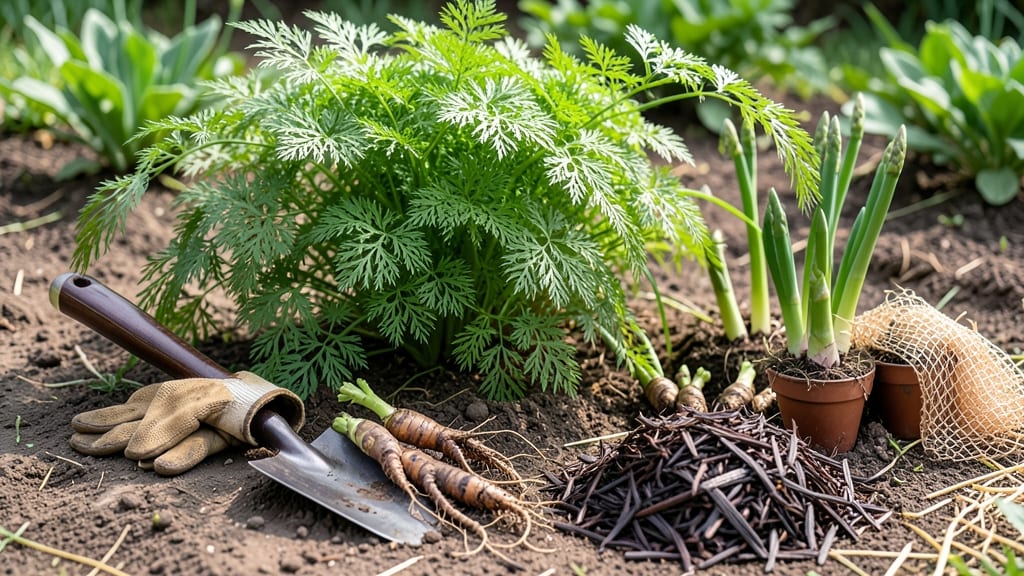
Planting asparagus in Maine might seem tricky with its short growing season and cold winters, but timing is everything—and getting it right means you could be harvesting homegrown spears in just 2-3 years.
The key window for planting in Zone 5B opens in early spring, when soil temperatures start to rise and frost risks ease.
Unlike many vegetables, asparagus thrives on patience, and planting too early can leave your crowns vulnerable to Maine’s unpredictable spring freezes. I’ll show you exactly when to plant—whether you’re using crowns or seeds—and how to prepare your soil for maximum success.
Cold-hardy varieties like ‘Mary Washington’ or ‘Jersey Knight’ are perfect for Maine’s climate, but even the hardiest plants need the right start. We’ll cover soil prep, spacing, and early-season care to ensure your asparagus establishes strong roots before summer’s heat arrives.
Ready to skip the grocery store and grow your own? Let’s dive into the step-by-step guide that’ll have you enjoying fresh asparagus by mid-summer—no matter how chilly Maine’s spring can be.
Best planting timeline for asparagus in Maine’s zone 5B climate
Maine’s Zone 5B climate demands precision when planting asparagus—timing is everything. The ideal window is early spring (March–April), but fall planting (September) is also viable for crowns only.
Since Maine’s last frost typically hits mid-May, planting too early risks frost damage, while waiting too long shortens the growing season. Let’s break down the exact steps to align with Maine’s unpredictable weather.
For spring planting, aim for 2–3 months before your last frost date. In most of Maine, this means late March to early April. Soil temperatures should reach 50°F (10°C)—use a soil thermometer to confirm.
If planting in fall, do so 6–8 weeks before the first frost (usually late August–September), allowing roots to establish before winter.
Asparagus crowns are the best choice for Maine gardens—they establish faster than seeds and yield spears in 2–3 years. Choose 1-year-old crowns with 3–5 healthy buds (avoid older crowns, which may be less vigorous).
Plant them 6–8 inches deep and 12–18 inches apart in trenches to encourage deep root growth, a critical adaptation for Maine’s rocky or acidic soils.
Here’s a month-by-month guide tailored to Maine’s climate, including soil prep and frost considerations:
| Month | Task | Notes |
|---|---|---|
| February | Soil prep | Test soil pH (aim for 6.5–7.0); amend with compost or lime if needed. |
| March | Plant crowns | Ideal for Zone 5B; soil should be workable but not frozen. |
| April | Mulch & water | Apply 4–6 inches of mulch to retain moisture and suppress weeds. |
| May | Monitor frost | Protect young shoots with frost cloth if late frosts occur. |
| September | Fall planting | Plant 6–8 weeks before first frost; cover with mulch for winter. |
Maine’s short growing season means asparagus needs a head start. If you plant in spring, focus on soil warmth—cold soil delays root growth. Use black plastic mulch to warm the soil faster or plant in raised beds, which heat up quicker than in-ground soil.
For fall planting, prioritize drainage to prevent winter rot, especially in Maine’s wet springs.
One common mistake in Maine is planting asparagus too shallowly. The crown’s buds must be buried 6–8 inches deep to survive winter. Shallow planting exposes them to frost heave, where freezing and thawing cycles push crowns out of the soil.
To prevent this, mound soil over the crowns in late fall after the ground freezes.
Patience is key—your first harvest won’t come until year 3, but proper timing now ensures decades of productivity. In Maine, asparagus beds can last 15–20 years if well-maintained.
Start small with 3–5 crowns to test your soil and microclimate before expanding. With the right timing and care, you’ll enjoy homegrown spears for years to come!
🌱
Best planting timeline for asparagus in Maine’s zone 5B climate
Timing is everything when planting asparagus in Maine’s Zone 5B, where late frosts and short growing seasons demand precision.
The ideal window for planting 1-year-old crowns is late March to mid-April, when soil temperatures hover around 50°F (10°C)—warm enough for roots to establish but cool enough to avoid premature sprouting.
This aligns with Maine’s last frost date, typically mid-May, giving your asparagus time to root before summer heat arrives.
For those who prefer fall planting, aim for late August to early September, allowing roots to settle before winter dormancy. However, this method is riskier in Maine due to early snowfall and soil freezing.
Spring planting remains the safest bet for beginners, as it offers clearer weather predictions and a longer window for root development before the first frost.
Soil temperature is your best guide—use a soil thermometer to confirm it’s consistently above 50°F (10°C) at a 6-inch depth. In Maine, this often means waiting until after April 15th, especially in colder inland areas like Northern Maine (Zone 4). Coastal regions like Portland or Bangor may see earlier soil warming, but don’t rush—cold soil can stunt root growth and invite rot diseases.
| Month | Task | Notes |
|---|---|---|
| March | Prepare soil | Amend with compost; avoid fresh manure. |
| Late March | Plant crowns | 6-8" deep; soil 50°F+. |
| April | Mulch heavily | 4-6" straw; protect from frost. |
| May | Fertilize lightly | 10-10-10; avoid nitrogen overload. |
Maine’s unpredictable weather means you’ll need to stay flexible. If a late frost hits after planting, cover crowns with row fabric or straw mulch to insulate roots. Conversely, if warm spells arrive early, delay planting to avoid premature sprouting, which weakens crowns before they’re established.
Pro tip: Monitor local frost forecasts from the Maine State Climate Office for real-time adjustments.
Once planted, patience is key—asparagus takes 2-3 years to produce spears, but proper timing now ensures a decade-long harvest. In Maine, first-year spears should never be harvested; instead, let foliage photosynthesize to build roots.
By Year 3, your Zone 5B asparagus will reward you with 6-8 weeks of fresh spears in June and July, just in time for Maine’s farmers’ markets.
For those in Northern Maine (Zone 4), consider raising beds to warm soil faster and extend the growing season. Add black plastic mulch in early spring to raise soil temperatures by 5-10°F, creating a microclimate ideal for asparagus. Just remember: Remove mulch in summer to prevent overheating.