
Plants
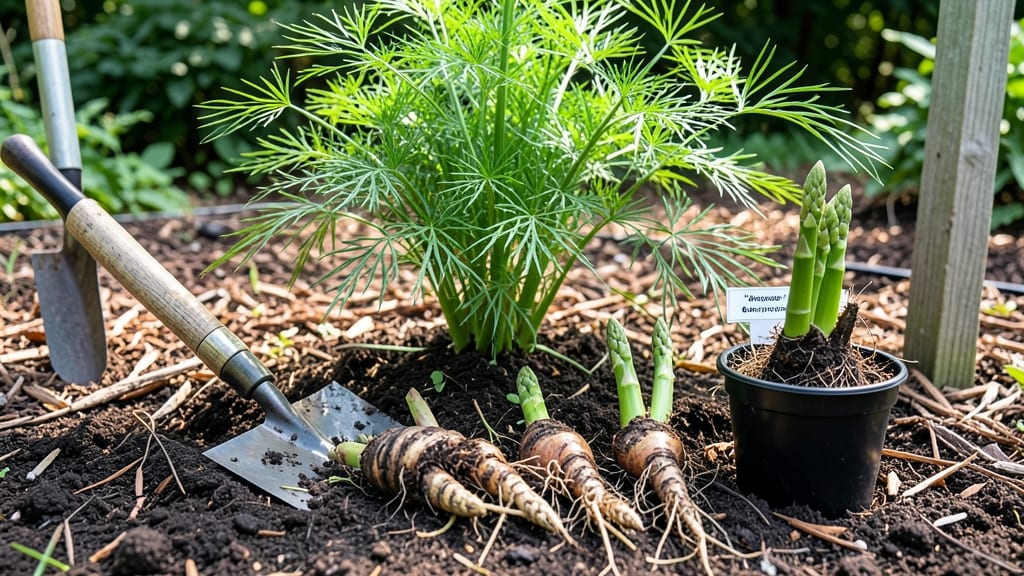
Planting asparagus in Seattle’s Zone 8a climate can feel like a guessing game—too early, and your crowns rot in the damp soil; too late, and they struggle to establish roots before winter. But timing it right means years of fresh harvests with minimal effort.
The key window for planting 🌱 asparagus crowns in Seattle is early spring, when the soil warms enough to support root growth without lingering frost risks.
Most gardeners in the Pacific Northwest swear by March or early April, once daytime temperatures consistently stay above 50°F. This gives the crowns 6-8 weeks of growing season before the first frost, which typically hits around mid-November.
Fall planting is risky here—Seattle’s wet winters can turn your soil into mud, suffocating young roots before they take hold.
If you’re new to asparagus, the first-year harvest might feel like a letdown—no spears to enjoy! But with the right timing and soil prep, your second and third years will reward you with tender, homegrown asparagus from April through June.
Let’s break down the exact steps to plant for success in Seattle’s unique climate.
From soil warming tricks to microclimate considerations (like the drier eastside vs. rainier westside), I’ll share the proven methods local gardeners use to avoid common pitfalls. Ready to grow your own asparagus patch? Here’s how to get started the right way.
Best months to plant asparagus crowns in Seattle’s Zone 8a-9a climate
Seattle’s Zone 8a-9a climate offers a narrow window for planting asparagus crowns, but timing is everything. Unlike warm climates, our cool, wet springs demand precise planning to avoid crown rot or frost damage. The ideal time is when soil temperatures reach 50°F (10°C)—typically late March to mid-April.
This aligns with Seattle’s last average frost date (March 15) and ensures roots establish before summer heat arrives.
Fall planting is risky in Seattle due to our rainy autumns and early frosts. While some gardeners attempt it in October, soggy soil and cold snaps often lead to crown failure.
If you must plant in fall, opt for early October with raised beds and excellent drainage—but spring remains the safest bet for beginners.
Seattle’s microclimates add another layer of complexity. The west side (rainier) may need to wait until mid-April for soil to dry enough, while the east side (drier) can plant as early as late February if soil is workable.
Always check soil moisture: stick your finger 6 inches deep—if it’s cold or soggy, wait.
Pro tip: Use a soil thermometer to confirm 50°F+ soil temps. Seattle’s Pacific Northwest chill can delay warming, so don’t rush. Planting too early in February risks crown rot, while waiting until May may stunt first-year growth.
Seattle’s cloud cover can fool you—just because it’s warm outside doesn’t mean the soil is ready. I once planted asparagus in early March because the air felt spring-like, only to watch the crowns rot in 48 hours from cold, damp soil. Always prioritize soil temperature over air temperature.
For container gardening in Seattle, plant 1-2 weeks earlier than in-ground beds. Pots warm up faster and drain better, but move containers to a south-facing spot to maximize heat absorption. Just be prepared to cover plants with frost cloth if late frosts hit (April showers can bring unexpected chill).
Local Seattle gardeners swear by black plastic mulch to warm soil in March-April. Lay it down 2 weeks before planting to raise soil temps by 5-10°F. Pair this with well-rotted compost (avoid fresh manure—it burns roots) to create the ideal loamy, slightly sandy mix asparagus craves.
Remember: Patience is key. Asparagus crowns take 2-3 years to establish, so don’t rush planting. A well-timed spring planting in Seattle’s Zone 8a-9a sets you up for decades of harvests, while a rushed or poorly timed attempt can leave you disappointed for years.
If you’re still unsure, mark your calendar for April 1 as the absolute latest safe date for planting asparagus crowns in Seattle. By then, you’ll have dodged most frost risks and given your crowns the best shot at thriving in our cool, damp climate.
Best months to plant asparagus crowns in Seattle’s Zone 8a-9a climate
Seattle’s Zone 8a-9a climate means you can plant asparagus crowns either in early spring or late summer, but timing is critical. The ideal window is when soil temperatures reach 50°F (10°C), typically March through April.
Fall planting is riskier due to wetter soils and cooler temperatures, but some gardeners try it in late August for a head start.
For Seattle gardeners, the last frost date (around March 15) signals the start of safe planting. However, soil warming is key—crowns planted in cold, soggy soil will rot. Use black plastic mulch or straw bales to raise soil temps if needed.
The eastern side of Seattle (like Bellevue) often warms faster than the western side (like West Seattle), so adjust accordingly.
🌱 Seattle Asparagus Planting Summary
| Season | Best Month | Soil Temp | Notes |
|---|---|---|---|
| Spring | March–April | 50°F+ (10°C+) | Best success; avoid soggy soil |
| Fall | Late August | 60°F+ (15°C+) | Risky; only for experienced gardeners |
🌧️ Pro Tip: Test soil moisture before planting—if it’s waterlogged, wait 1-2 weeks.
If you’re planting in fall, aim for late August when soil is still warm. However, Seattle’s rainy season means crowns may struggle to establish before winter. For spring planting, start 1-year-old crowns in March once soil is workable.
Avoid planting after April 15, as spears may emerge too late in the season.
Another key factor is microclimates. Areas near Puget Sound stay cooler and wetter longer, while inland spots like Kenmore dry out faster. If you’re in doubt, plant 2-3 weeks earlier in cooler microclimates. Always choose a sunny, well-drained spot—asparagus hates soggy roots.
For first-time growers, I recommend sticking to spring planting in March or early April. This gives crowns enough time to establish roots before Seattle’s summer heat arrives. Use raised beds if your native soil drains poorly—this is a game-changer for asparagus success in our climate.
Remember, patience is key—you won’t harvest until year 2 or 3, but proper timing now ensures decades of low-maintenance harvests. Once established, asparagus crowns can produce for 15+ years! 🌱