
Plants
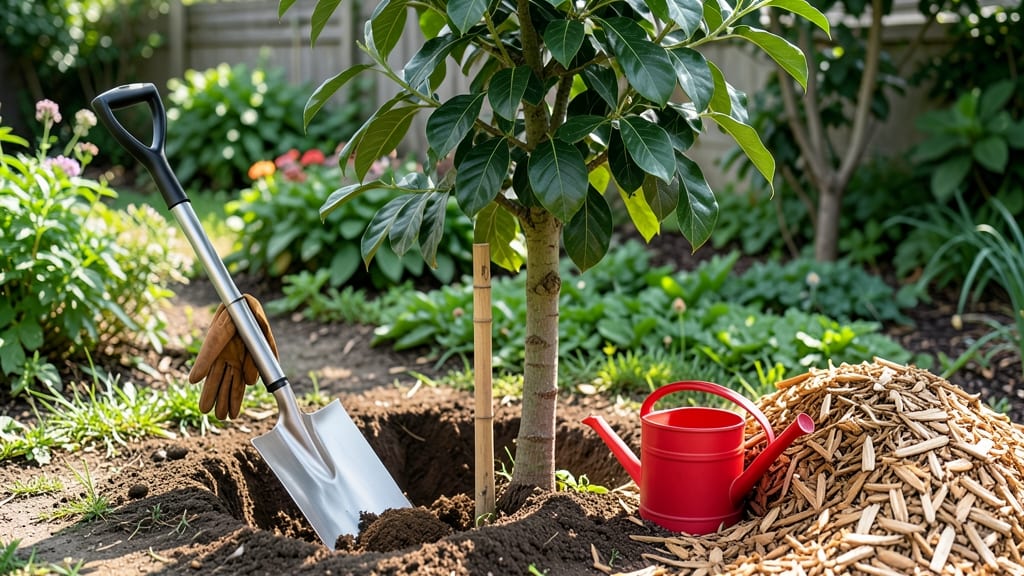
Planting your 🥑 avocado tree in the ground at the wrong time could mean the difference between a thriving fruit producer and a sad, frost-killed sapling. The key isn't just picking a season—it's understanding soil temperature triggers that ensure your tree takes root before cold snaps strike.
For most regions, including USDA Zone 6a, the ideal window is April to May—right after your last frost date. This timing gives young roots time to establish before summer heat sets in, but there's more to it than just the calendar.
Soil needs to stay consistently warm, ideally between 60°F and 70°F, for those critical first weeks.
If you're transplanting a nursery-grown tree, wait until nighttime temperatures stay above 50°F—any earlier, and you risk shock. For direct sowing (less common but possible in warmer zones), aim for when daytime highs hit 75°F+ to kickstart germination.
The stakes are high, but getting this right means healthier growth and faster fruit production.
Ready to plant? I'll walk you through how to test your soil, adjust for your microclimate, and even extend the growing season with simple tricks. Let's get your 🥑 tree off to the best possible start.
Optimal soil temperature ranges for planting avocado trees by USDA Zone
Avocado trees (Persea americana) thrive in warm climates but can be planted successfully in USDA Zones 9–11 with careful timing. The key to survival is soil temperature—your tree’s roots need consistent warmth to establish without frost damage.
For zones 9–11, aim for soil temps above 60°F before planting, while zone 10+ gardeners can push planting to 50°F+ in early spring.
In cooler microclimates (e.g., Southern California or Florida’s inland areas), wait until after the last frost date and confirm soil temps stay above 65°F for 7+ days.
Coastal regions like San Diego or Miami offer longer planting windows, but even there, nighttime temps below 50°F can stunt young roots.
Here’s the critical soil temperature breakdown by zone to ensure zero-frost survival:
For container-grown avocados (common in nursery sales), harden them off for 2–3 weeks before planting. Acclimate to outdoor temps by placing them in partial shade during the day and bringing them in at night if temps drop below 55°F. This mimics natural soil warming and reduces transplant shock.
In Zone 10+, where frost is rare, focus on humidity levels—avocados hate dry air. If your area has low humidity (e.g., Phoenix or San Diego), plant in spring to align with natural rainfall patterns. Mulch heavily with wood chips to retain moisture and cool roots.
Pro tip: Use a soil thermometer to check temps at 6-inch depth (where roots establish). If readings dip below 50°F at night, delay planting or use row covers for 2–3 weeks post-planting. This buffer period can save your tree from root freeze.
Remember, avocado roots are sensitive—even a single frost event after planting can kill a young tree. Always plant when nighttime lows stay above 55°F for 14+ days to ensure success.
Optimal soil temperature ranges for planting avocado trees by USDA Zone
Avocado trees (Persea americana) are tropical plants that thrive in warm soil, but their exact planting window depends on your USDA hardiness zone. In zones 9–11, where they’re most commonly grown, soil temperatures must reach at least 60°F (15.5°C) before planting.
For zones 8 and below, container growing or microclimates are essential—these trees cannot tolerate frost.
In California’s coastal regions (Zone 9b–10a), like Los Angeles or San Diego, you can plant as early as February when soil temps hit 60°F (15.5°C). Inland areas (e.g., Phoenix, AZ, Zone 9a) wait until April to avoid late-spring frost dips below 32°F (0°C).
Florida’s Zone 10b–11 allows year-round planting, but soil temps above 70°F (21°C) speed up root establishment.
| USDA Zone | Minimum Soil Temp (°F/°C) | Best Planting Window | Frost Risk |
|---|---|---|---|
| 9a–9b (e.g., Las Vegas, Orlando) | 60°F (15.5°C) | March–April | Low (coastal) / Moderate (inland) |
| 10a–10b (e.g., Los Angeles, Miami) | 65°F (18°C) | February–April | None (coastal) / Rare (inland) |
| 11 (e.g., Hawaii, Puerto Rico) | 70°F (21°C) | Year-round | None |
*Soil temps below 55°F (13°C) stunt root growth. Use mulch to retain heat.
For container-grown avocado trees, soil temps in pots warm up faster than in-ground soil. Check the root ball temperature (not air temp) with a soil thermometer—it should stay above 60°F (15.5°C) for 7+ days before transplanting.
In Zone 8 or cooler, grow in containers year-round and move them indoors when temps drop below 50°F (10°C).
If you’re in a transition zone (e.g., Zone 8b), plant in late spring (May–June) when nighttime temps consistently stay above 55°F (13°C). Use black plastic mulch or row covers to raise soil temps by 5–10°F during early planting.
Avoid planting in summer heatwaves (above 90°F/32°C)), as stress increases transplant shock.
Pro tip: Bare-root avocado trees (sold without soil) need warmer soil (65°F/18°C+) than container-grown ones. Soak the roots for 1–2 hours before planting to kickstart root growth in cooler conditions. For fastest establishment, plant on a partly cloudy day to reduce transplant shock from direct sun.
🌱