
Plants
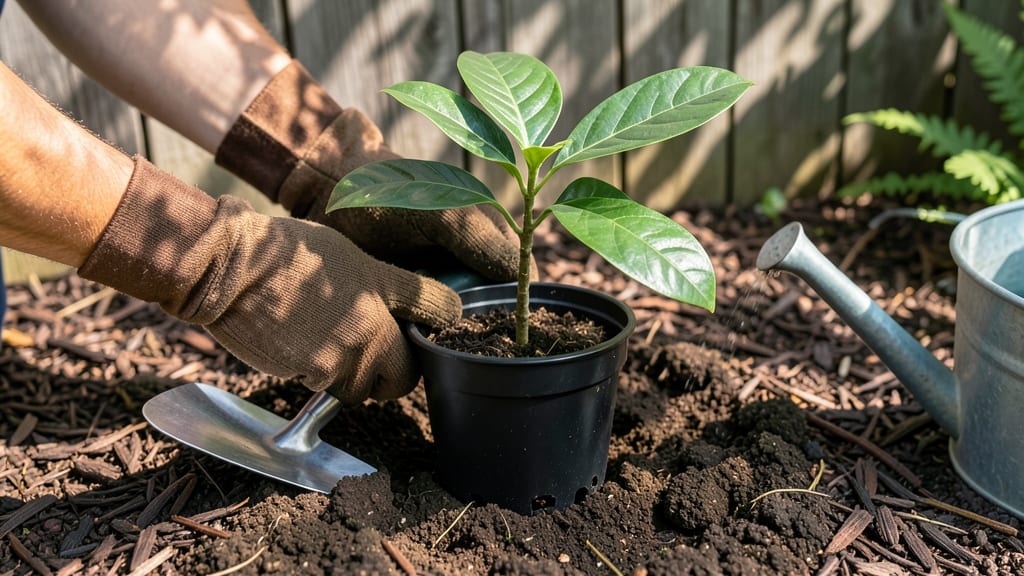
Planting an avocado tree in Florida might seem like a no-brainer—after all, frost-free days mean year-round growing potential. But timing still matters, especially if you want your 🥑 to thrive from the start.
The key is avoiding Florida’s rare but damaging cold snaps in the northern regions, which can stress young trees.
While you can plant avocado trees any month in Florida’s 9a-11 zones, late winter through early spring gives them the best head start. This period aligns with natural growth cycles and lets roots establish before summer’s intense heat. For container-grown trees, this window also minimizes transplant shock.
What you’ll discover is that Florida’s microclimates create subtle differences—coastal areas stay warmer longer, while inland zones may need slightly earlier planting. Whether you’re burying a seed or transplanting a nursery-grown sapling, these timing tweaks make all the difference in avoiding common pitfalls like stunted growth or pest vulnerability.
Ready to grow your own avocado tree? I’ll walk you through the exact steps to choose the perfect planting window, prep your soil, and keep your tree healthy year-round—so you can enjoy homegrown fruit in just a few years. Let’s get started.
Best planting months for avocado trees in Florida’s climate zones
Florida’s frost-free climate means you can plant avocado trees year-round, but timing still matters for optimal growth and fruit production. Unlike northern states, you won’t face freezing temperatures, but soil warmth and rainfall patterns dictate the best windows.
For Hass, Reed, and Fuerte varieties, late winter through early spring offers the ideal balance of warm soil and moderate humidity.
The USDA Hardiness Zones 8A-10A in Florida create microclimates where northern Florida (Zone 8A) has slightly cooler winters, while southern Florida (Zone 10A) enjoys consistent warmth. Even in cooler zones, light frosts are rare, but temperature fluctuations can stress young trees.
Planting during stable warmth (above 60°F soil temp) ensures faster root establishment.
Here’s the breakdown by Florida climate zone and avocado variety, including soil temperature and rainfall considerations:
In Zone 8A, the coolest months (Dec–Jan) can slow root growth, so I recommend waiting until February when soil warms to 65°F.
For containers, you can plant year-round in Zone 10A, but December–February avoids summer heat stress during transplant shock. Hass avocados are the most cold-tolerant, while Fuerte varieties prefer consistent warmth.
If you’re planting bare-root saplings, soak roots for 2–4 hours before planting to reduce transplant shock. For container-grown trees, avoid planting during Florida’s rainy season (June–Sept), as waterlogged soil can cause root rot. Instead, opt for dry-season planting (Oct–May) when humidity is lower.
Pro tip: Test your soil temperature with a soil thermometer before planting. Avocado roots need warm soil (above 60°F) to establish quickly. In north Florida, this often means waiting until late March.
For fastest fruit production, plant young grafted trees (1–3 years old) in early spring. These trees already have established root systems and can bear fruit in 2–3 years, compared to 5+ years for seed-grown trees. Just ensure they’re well-acclimated to Florida’s heat before planting.
🌱
Best planting months for avocado trees in Florida’s climate zones
Florida’s frost-free climate means you can plant avocado trees year-round, but timing still matters for optimal growth and fruit production. Unlike northern states, you don’t have to wait for spring—just avoid extreme heat (like July-August) when young roots struggle to establish.
The best window is late winter through early spring (January-March), when soil warms but humidity isn’t overwhelming.
For north Florida (Zones 8A-9A), focus on January-February to give trees a head start before summer’s intensity. In central/south Florida (Zones 9B-11), you can plant year-round, but September-November offers cooler temps and steady rain—ideal for container-grown trees or transplants.
Varieties like Hass and Fuerte thrive best when planted before peak summer.
| Florida Zone | Best Planting Window | Soil Temp Requirement | Key Varieties |
|---|---|---|---|
| 8A-9A (North) | January–March | 60°F+ (15°C+) | Hass, Reed |
| 9B-10A (Central) | September–November | 65°F+ (18°C+) | Fuerte, Bacon |
| 10B-11 (South) | Year-round (avoid July-August) | 70°F+ (21°C+) | Hass, Pinkerton |
If you’re planting container-grown trees, spring (March-May) is ideal because containers dry out faster in Florida’s heat. For bare-root seedlings, wait until soil temps hit 60°F+ (15°C+)—use a soil thermometer to check.
In Zone 8A, even light frosts (28°F/-2°C) can damage young trees, so January planting gives them a buffer.
Pro tip: Transplant shock is less severe in cool, cloudy days (like Florida’s spring or fall). If planting in summer, shade cloth and daily watering are non-negotiable. Avoid November in north Florida—cooler temps slow root growth, and hurricane season risks are higher.
For fastest fruit production, prioritize January-March in all zones. Mature trees handle Florida’s heat, but young ones need 6-12 months to acclimate. Hass avocados planted in spring often bear fruit in 2-3 years, while summer plantings may take 5+ years.
🌱