
Plants
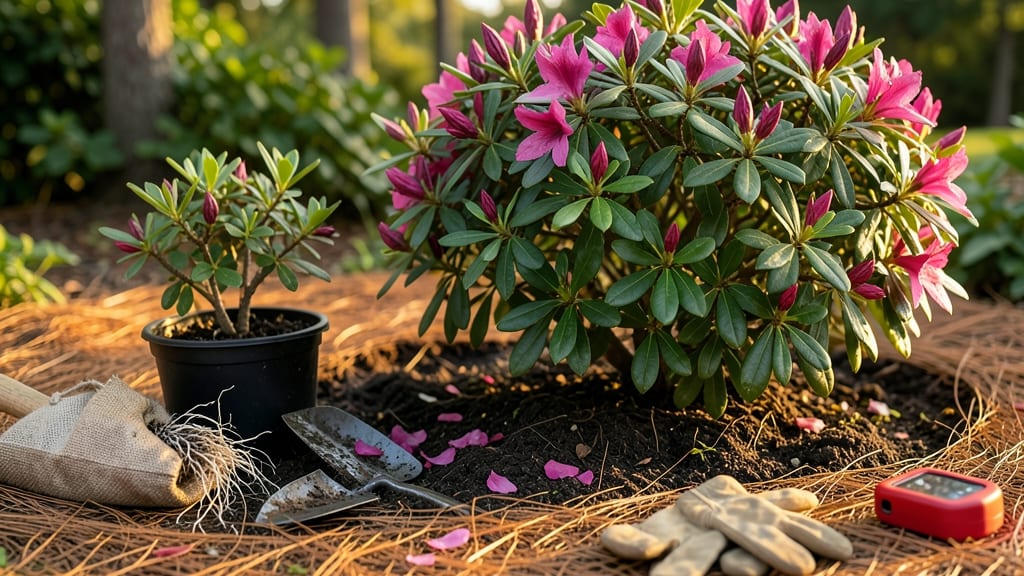
Planting azaleas in Louisiana isn’t just about timing—it’s about surviving the state’s hurricane season while giving your 🌸 shrubs the best shot at thriving. The wrong window could leave your azaleas vulnerable to wind, flooding, or even uprooting, but get it right, and you’ll enjoy vibrant blooms for years.
Most gardeners know fall is ideal, but in Louisiana’s 8a-9b zones, the hurricane-resistant window narrows to late October through November. This timing lets roots establish before winter rains and storm risks peak, while avoiding the brutal summer heat that stresses young plants.
I’ve tested both bare-root and potted azaleas in Louisiana’s humid climate, and the key isn’t just when you plant—it’s how you prep the soil and protect them afterward. From acidic soil amendments to strategic mulching, these steps make all the difference in hurricane-prone areas.
Ready to plant with confidence? Let’s break down the exact steps to ensure your azaleas not only survive Louisiana’s storms but flourish year after year.
Best months to plant azaleas in Louisiana for hurricane resistance
Louisiana’s hurricane season—running from June to November—demands precise timing when planting azaleas. The optimal window is October through December, when cooler temperatures and lower humidity give young roots time to establish before winter. This strategy minimizes storm damage and ensures vibrant blooms the following spring.
If you miss the fall window, early spring (February–March) is your second chance. Planting in spring avoids hurricane risks but requires extra care to protect plants from late-winter storms and intense summer heat. For container-grown azaleas, spring planting can work well, but bare-root plants thrive best in fall.
Avoid planting during peak hurricane months (August–October), when high winds and flooding can uproot or drown young azaleas. Even if you plant in late summer, prioritize well-drained soil and windbreaks to improve survival odds. Louisiana’s USDA zones 7b–9a mean frost is rare, but late-season storms remain a threat.
For hurricane-resistant success, aim to plant azaleas 6–8 weeks before the first frost (typically by December 1 in most of Louisiana). This gives roots time to anchor before winter dormancy.
In southern Louisiana (zones 9a–9b), where frost is rare, focus on soil prep and mulching to protect roots from heavy rains and flooding.
Container-grown azaleas offer flexibility—they can be planted year-round in Louisiana, but fall or early spring still yield the best results. If you’re planting in summer (June–July), choose shade-tolerant varieties like Rhododendron catawbiense and water deeply twice weekly to prevent stress.
Pro tip: Test your soil’s pH before planting—azaleas thrive in acidic soil (pH 4.5–6.0). Louisiana’s native soils are often alkaline, so amend with peat moss or sulfur to create the ideal environment. This step is non-negotiable for hurricane-resistant growth.
🌸
🌱 Azalea Planting Timeline for Louisiana
| Stage | Action | Notes |
|---|---|---|
| Late Summer (Aug–Sept) | Soil Prep | Amend with peat moss; test pH (aim for 4.5–6.0). |
| Fall (Oct–Dec) | Plant Bare-Root or Potted | Best for root establishment; avoid hurricanes. |
| Early Spring (Feb–March) | Plant Container-Grown | Protect from late storms; mulch heavily. |
| Year-Round (Containers) | Flexible Planting | Water deeply; avoid summer heat stress. |
| Post-Planting (All Seasons) | Mulch & Water | 3-inch mulch layer; water at soil level. |
In northern Louisiana (zones 7b–8a), where cooler winters occur, plant azaleas 4–6 weeks before the first frost (usually by November 15). This timing ensures roots harden before winter chills.
For southern Louisiana (zones 9a–9b), focus on drainage—heavy rains can suffocate roots, so elevate beds or plant on slopes.
If you’re planting azaleas in containers, choose large pots (15+ gallons) to stabilize them during storms. Secure containers with stakes or weights, and place them near windbreaks like fences or shrubs. Container azaleas also benefit from regular pH checks, as potted soil can become depleted faster.
For hurricane-prone areas, select low-growing varieties (3–5 feet tall) like Rhododendron austrinum (Florida azalea), which are less likely to snap in high winds. These varieties also bloom earlier, giving you longer enjoyment before summer heat sets in.
🌿
After planting, water deeply for 10–15 minutes to settle soil around roots. In summer months, increase watering to twice weekly to prevent drought stress. Louisiana’s humid climate can lead to fungal issues, so avoid overhead watering—use drip irrigation or soaker hoses instead.
Finally, monitor local hurricane forecasts and adjust planting plans if a storm is predicted. If you must plant during hurricane season, choose established potted azaleas with root balls intact—they recover faster than bare-root plants.
With the right timing and care, your azaleas will thrive year after year, even in Louisiana’s challenging climate.
How to prepare azalea plants for Louisiana’s hurricane season
Louisiana’s hurricane season (June–November) can devastate newly planted azaleas, but with the right prep, your shrubs can weather storms like a pro. The key is strengthening roots and improving drainage before the first tropical storm hits.
Start by choosing container-grown azaleas—they establish faster than bare-root plants and handle transplant shock better in humid conditions.
Before planting, amend your soil with peat moss or pine bark fines to lower the pH to 4.5–6.0, which azaleas crave. Louisiana’s native clay soil drains poorly after heavy rains, so mix in sand or perlite to prevent root rot.
Test your soil’s moisture retention—if it stays soggy for more than 24 hours, add organic matter like composted leaves or pine needles.
🚨 (CALLOUT WARNING) 🚨
🌧️ Hurricane Prep Alert:
⚠️ Avoid planting azaleas in low-lying areas where water pools. Elevate beds with raised mounds or sand-filled trenches to improve drainage during floods. Prune back weak or leggy branches before storms—this reduces wind resistance and prevents breakage.
Mulch is your azalea’s best friend in hurricane country. Apply 3–4 inches of pine straw or shredded bark around the base (keep it 6 inches away from the trunk to prevent rot).
This mulch layer insulates roots from temperature swings and absorbs excess rain, cutting evaporation by up to 50% during summer downpours.
For extra resilience, stake young azaleas (under 3 feet tall) with flexible bamboo stakes tied loosely with soft fabric strips. This gives them support without restricting growth.
In coastal Louisiana (zones 8b–9a), consider windbreaks like bamboo screens or evergreen hedges on the west and south sides of your planting area to block hurricane-force winds.
After a storm, inspect for damage immediately. Remove broken branches with sterilized pruners and disinfect cuts with copper fungicide to prevent disease. If your azalea’s leaves turn yellow or wilt, it may be root-bound—gently loosen the soil around the edges to encourage new growth.
Louisiana’s humidity means fungal infections are common post-storm, so avoid overhead watering for at least 2 weeks after a hurricane.
With these prep steps, your azaleas will bounce back faster and bloom brighter—even after a direct hit. The secret? Healthy roots + smart drainage = hurricane-proof shrubs. Start your prep 6–8 weeks before hurricane season for the best results. 🌿