
Plants
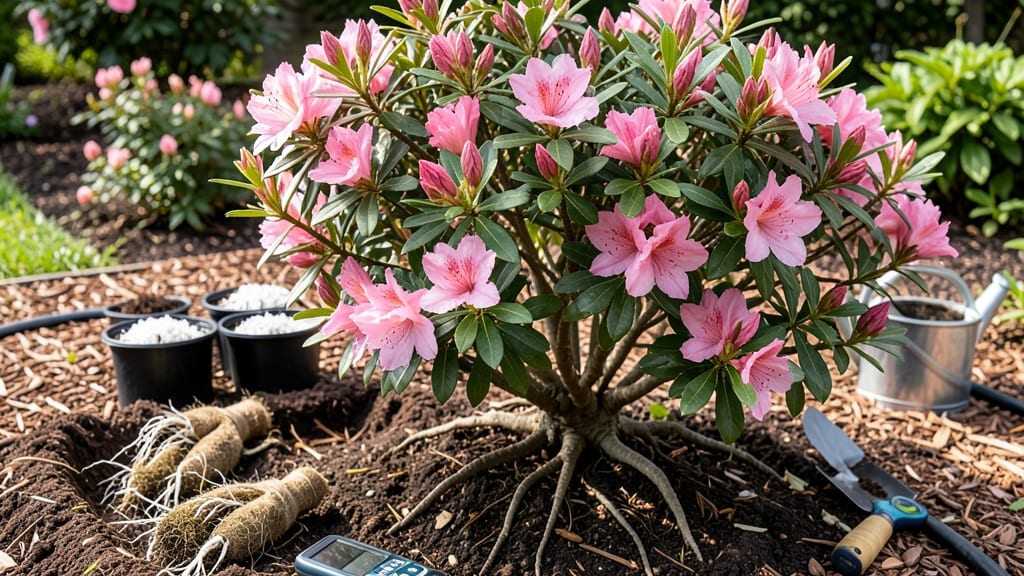
Planting azaleas in Ohio at the wrong time can mean the difference between vibrant 🌸 blooms next spring and a sad, struggling shrub. With frost still lingering into April and winter’s chill lingering in the soil, timing your azalea planting is more science than guesswork.
Most gardeners in Zone 6a wait until late April or early May—after the last frost—when soil temperatures finally warm enough for roots to take hold. But here’s the catch: container-grown azaleas can handle planting a little earlier than bare-root varieties, which need that extra time to harden off.
Why does this matter? Plant too soon, and frost will fry tender roots. Too late, and your azaleas won’t establish before winter’s return. The key is balancing Ohio’s unpredictable weather with your shrub’s chill-hour needs—450 to 900 hours—to ensure they thrive.
Let’s break down the exact steps to plant your azaleas at the perfect moment, from soil prep to post-planting care, so you’re set up for years of stunning spring color.
Ohio azalea planting timeline: chill-hours vs frost-free dates
Ohio’s USDA Zones 5-6 create a delicate balance for azalea planting—too early, and frost damage will kill tender roots; too late, and your shrubs won’t establish before winter.
The key lies in understanding chill-hours (450–900 hours below 45°F) and last frost dates, which typically fall between April 15–May 1 across the state.
Most Ohio azaleas need 450–900 chill-hours to bloom reliably. If planted too late, they may not meet this requirement before winter dormancy, delaying—or even preventing—spring flowers. Conversely, planting before the soil warms (below 50°F) stresses roots, making them vulnerable to root rot or frost heave.
Here’s how to align your planting with Ohio’s climate: Start after the last frost date (usually late April) but before mid-June, when summer heat can shock newly planted shrubs. Container-grown azaleas offer more flexibility—they can be planted earlier than bare-root varieties since their roots aren’t exposed to cold.
For bare-root azaleas, aim to plant within 2–4 weeks of purchase to avoid root desiccation.
These are best planted in early spring (March–April) when the ground is workable but before buds swell. Container-grown azaleas, however, can be planted throughout the growing season (April–June), as long as the soil isn’t frozen.
Ohio’s microclimates add another layer of complexity. Urban areas (like Columbus) may experience earlier last frosts than rural zones, while valleys (e.g., Appalachian foothills) can retain cold longer. Check your local Cooperative Extension office or use the National Weather Service frost calendar for precise dates in your area.
Pro tip: If you’re in Zone 5 and face a late frost, opt for late-season bloomers like ‘Hino Crimson Beauty’, which tolerates cooler soils better than early bloomers. For Zone 6, early varieties like ‘Girard’s Rainbow’ thrive when planted in April.
Remember, root establishment is the goal—azaleas planted in May may still bloom the first year, but those planted in April have a head start for winter survival. Mulch heavily (3–4 inches) after planting to insulate roots and retain moisture.
If you miss the spring window, fall planting (September–October) is a backup, but only in Zone 6 where soils stay warm enough for roots to grow before frost. In Zone 5, fall planting risks winter kill unless you use extra mulch and protect with burlap wraps.
Step-by-step azalea planting guide for Ohio’s climate zones
Now that you know the ideal planting window for Ohio azaleas, let’s walk through the exact steps to ensure your shrubs thrive. Whether you’re planting bare-root or container-grown azaleas, the process starts with preparing the soil and ends with winter protection.
First, test your soil’s pH level—azaleas demand acidic soil between pH 4.5 and 6.0. If your soil is too alkaline, amend it with peat moss or sulfur at least 4-6 weeks before planting. Ohio’s clay-heavy soils often need this adjustment to prevent root stress.
Next, choose a location with partial shade (4-6 hours of morning sun) and well-draining soil. Avoid low spots where water pools, as soggy roots lead to root rot. Dig a hole twice as wide as the root ball but only as deep—planting too deep suffocates the roots.
🌱 Step-by-Step Azalea Planting Guide
- 📍 Mark the planting spot and dig a hole twice the width of the root ball.
- 🌿 Loosen roots of bare-root azaleas and soak container-grown plants for 10-15 minutes before planting.
- 🪴 Place the plant in the hole, ensuring the top of the root ball sits 1 inch above soil level.
- 💧 Backfill with amended soil, tamping gently to remove air pockets.
- 🌧️ Water deeply (1-2 gallons) to settle the soil and eliminate gaps.
- 🪴 Add 2-3 inches of mulch (pine bark or shredded leaves) to retain moisture and protect roots.
After planting, water your azalea deeply every 7-10 days to encourage root growth. Avoid overhead watering, which can spread fungal diseases like powdery mildew—a common issue in Ohio’s humid summers. For the first two growing seasons, focus on root establishment over blooms.
In Zone 6a, young azaleas need extra protection from winter’s freezing temperatures. Apply a 3-inch layer of mulch around the base in late fall, and consider wrapping the canopy with burlap for heavy snow loads.
This simple step can mean the difference between a surviving shrub and a lost investment.
Finally, fertilize lightly in early spring with a 10-10-10 balanced fertilizer to promote blooming. Avoid high-nitrogen fertilizers, which encourage leafy growth at the expense of flowers—the reason you planted azaleas in the first place!