
Plants
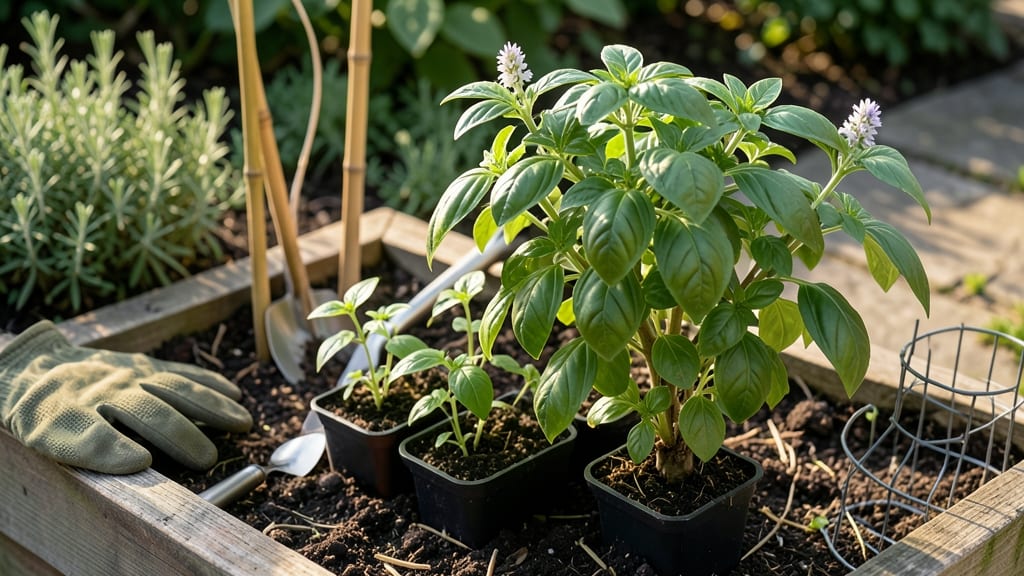
Timing basil planting in Michigan can make or break your harvest—get it wrong, and you’ll either lose your plants to frost or watch them bolt in the heat.
The key to growing fast, flavorful basil in USDA Zones 5b-6a lies in waiting for that perfect window after the last frost, when soil temperatures finally hit 50°F.
You’ve probably heard the rule: plant after the last frost, but Michigan’s unpredictable weather throws a wrench into that plan. Northern Michigan gardeners should aim for mid-May, while southern regions can start as early as late April. The difference? 150-180 frost-free days to nurture basil from seedling to harvest.
Whether you’re starting seeds indoors or transplanting seedlings, knowing when to plant basil in Michigan isn’t just about dates—it’s about reading the soil and sky. I’ll break down the exact steps to time your basil perfectly, so you can enjoy fresh 🌿 leaves from June through September without the guesswork.
Ready to avoid the common mistakes that kill Michigan basil? Let’s dive into the science-backed timing that’ll give you a thriving herb garden all summer long.
Michigan basil planting calendar: exact dates for Zone 5b-6a success
Timing your basil planting in Michigan means the difference between a bountiful harvest and wilted disappointment. The last frost date in most of Michigan typically falls between April 15-30, but northern regions like Traverse City can wait until May 10.
Southern areas like Detroit often see frost-free soil by April 15. Always check the Michigan State University Extension for your specific county's frost dates—they’re your best guide.
Basil thrives when soil temperatures hit at least 50°F. A soil thermometer is your new best friend—planting too early in cold soil stunts growth. In Zone 5b, aim for mid-May for outdoor planting, while Zone 6a gardeners can start as early as late April in protected beds.
Remember, basil is a warm-season herb that hates cold snaps, so have a row cover ready just in case.
For direct sowing outdoors, wait until after May 15 in most of Michigan to avoid frost damage. If you’re using starter plants, transplant them once nighttime temperatures stay above 55°F consistently.
This usually aligns with late May to early June, giving your basil enough time to mature before summer’s heat peaks.
Here’s your Michigan basil planting timeline broken down by region and method:
| Region | Last Frost Date | Optimal Planting Window | Soil Temp Threshold | Harvest Timeline |
|---|---|---|---|---|
| Northern MI (Zone 5b) | May 10 | Late May - Early June | 50°F+ | July - September |
| Southern MI (Zone 6a) | April 15 | Late April - Mid-May | 50°F+ | June - October |
| All Regions (Indoor Start) | N/A | March 1 - April 15 | 65°F+ (indoors) | May - September |
🌱 Pro Tip: Use a grow light for indoor starts to ensure strong seedlings.
If you’re direct sowing, scatter seeds ¼-inch deep in well-draining soil with full sun exposure. Space seeds 12-18 inches apart to allow airflow and prevent disease. For transplanting seedlings, harden them off for 7-10 days before moving outdoors to avoid transplant shock.
For a longer harvest season, consider succession planting every 2-3 weeks from late May through June. This ensures a steady supply of fresh basil leaves all summer long. Just be sure to protect young plants from late spring frosts with frost cloth or a mini greenhouse.
Michigan’s humidity and variable weather can stress basil, so monitor for powdery mildew or leaf spot. Prune regularly to improve air circulation and harvest leaves before they flower for the best flavor.
With the right timing, your basil plants will reward you with aromatic leaves from July through September.
Don’t forget to mark your calendar for first frost warnings—typically mid-October in Michigan. Once temperatures dip below 32°F, basil’s tender leaves will blacken. If frost is forecasted, harvest all remaining leaves and store them in the freezer for winter use.
For extra peace of mind, check the Michigan Meteorological Network or local agricultural alerts for real-time updates. With these planting dates and tips, you’ll be well on your way to growing lush, flavorful basil that rivals anything from the grocery store—without the chemicals! 🌿
How to extend your Michigan basil season: starter plants, greenhouses, and cold protection
Michigan’s short growing season (just 150-180 frost-free days) can feel like a race against time for basil lovers. But with the right strategies, you can extend your harvest by 4-6 weeks—or even longer!
The key is starting early indoors and protecting tender plants from late frosts or chilly nights. Let’s break down how to beat Michigan’s unpredictable weather and enjoy fresh basil from June through September.
First, indoor seed starting is your best friend. Basil seeds germinate best at 70-80°F soil temperatures, so kick off your season in early March under grow lights or a sunny windowsill.
Use biodegradable pots to avoid transplant shock later. By mid-April, your seedlings should be 3-4 inches tall with 4-6 true leaves, ready to harden off before outdoor planting.
🔹 Pro Tip: Use a seedling heat mat if your home runs cool—basil seeds struggle to sprout below 65°F. Keep soil moist but not soggy, and avoid overcrowding to prevent damping-off disease.
🌱 3 Ways to Extend Your Michigan Basil Season
- 📅 Start seeds indoors by early March for 6-8 week head start before last frost.
- 🏡 Use row covers or cold frames to protect young plants until May 15 (average last frost date).
- ☀️ Choose cold-tolerant varieties like 'Spicy Globe' or 'Dark Opal' for cooler temperatures (down to 50°F).
Once outdoors, cold protection is your secret weapon. Basil thrives in 60-80°F but wilts below 50°F. Use floating row covers or mini greenhouses to shield plants until late May.
For a second planting, sow seeds in early July—this batch will mature just in time for fall harvests before the first frost in mid-October.
💡 Did You Know? Basil grown in containers (like 12-inch pots) is easier to move indoors before frost. Place pots near a south-facing window or under grow lights to keep them producing until Christmas! Just reduce watering as daylight shortens.
For maximum yield, pair these strategies with succession planting. Sow a new batch every 2-3 weeks from mid-May to early July to ensure a continuous supply of fresh basil.
And don’t forget—pruning regularly (pinching back 1/3 of the plant) encourages bushier growth, so you’ll have more leaves to harvest!
With these tactics, you’ll turn Michigan’s short season into a long, flavorful harvest. Just remember: start early, protect from cold, and keep planting—your taste buds (and pesto recipes!) will thank you. 🌿