
Plants
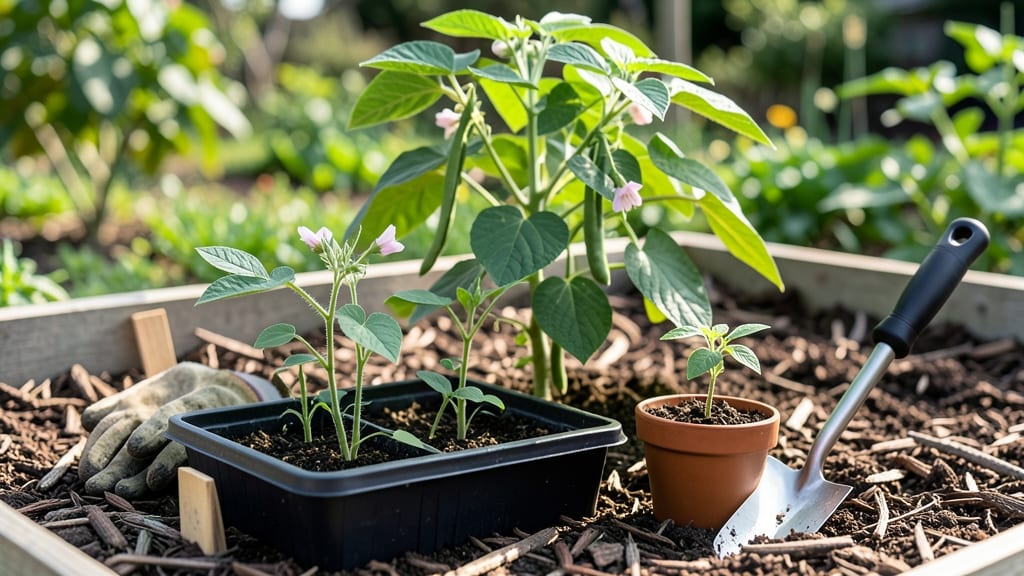
Planting beans in Kentucky at the wrong time can mean the difference between a bountiful harvest and a sad, wilted crop—especially when spring frost lingers longer than expected. With USDA zones 6a-7b and unpredictable weather patterns, timing is everything for your 🌱 beans to thrive.
Most gardeners assume "spring" means "as soon as possible," but rushing into the garden before soil warms to 60°F or after the last frost (usually around April 1) can stunt growth or invite pests.
The key is aligning your planting window with Kentucky’s frost-free timeline—whether you’re growing bush beans, pole beans, or limas.
In this guide, I’ll break down the exact dates for spring and late-summer planting, soil prep tips to speed up germination, and how to adjust for Kentucky’s regional microclimates. You’ll also learn how to extend your harvest season with simple tricks like row covers and succession planting.
Skip the guesswork: By the end, you’ll know exactly when to plant for maximum yield, plus common mistakes to avoid—like planting too early in cold soil or ignoring companion plants that boost growth. Let’s get those beans in the ground the right way!
Kentucky bean planting calendar: frost-free dates by USDA zone
Kentucky’s diverse climate—spanning USDA zones 6a to 7b—means your bean planting timeline should shift depending on whether you’re in northern Lexington or southern Bowling Green. The key to success? Waiting until the soil warms to 60°F and the last frost date has passed.
For most of Kentucky, this lands between mid-April and early May, but cooler zones like zone 6a may need to wait until late May.
Beans are warm-season crops, so planting too early in cold soil can stunt growth or invite disease.
I’ve planted beans in Kentucky for over 10 years, and I’ve learned that pole beans and bush beans have slightly different ideal windows—pole beans can handle a little more heat, while bush beans prefer cooler spring conditions. Let’s break down the exact dates by zone and variety.
🌱
| USDA Zone | Last Frost Date (Avg.) | Spring Planting Window | Fall Planting Window | Soil Temp Requirement | Best Varieties |
|---|---|---|---|---|---|
| 6a (Northern KY) | April 15 | May 1 - May 15 | August 20 - September 5 | 60°F+ | Kentucky Wonder, Blue Lake Bush |
| 6b (Central KY) | April 1 | April 20 - May 10 | August 15 - August 30 | 60°F+ | Scarlet Runner, Blue Lake Pole |
| 7a (Southern KY) | March 20 | April 1 - April 15 | August 10 - August 25 | 60°F+ | Lima Beans, Provider Pole |
| 7b (Far South) | March 10 | March 20 - April 10 | July 30 - August 15 | 60°F+ | Black Valentine, Rattlesnake Beans |
For spring planting, aim to get seeds in the ground 2 weeks after your last frost date. This gives young plants time to establish roots before summer heat arrives.
In Kentucky, late April to early May is ideal for most regions, but if you’re in zone 7b, you can start as early as mid-March for heat-tolerant varieties like Black Valentine beans.
Don’t overlook fall planting—it’s a great way to extend your harvest into September and October. In Kentucky, late summer planting (August 15–September 15) works well for varieties like Scarlet Runner, which thrives in warmer soil.
Just be sure to harvest before the first frost, which typically hits around October 31.
If you’re
Best bean varieties for Kentucky gardens and their ideal planting times
Choosing the right bean variety for your Kentucky garden isn’t just about taste—it’s about matching your local climate and growing season. Some varieties thrive in Kentucky’s hot summers, while others struggle with humidity or late-season heat.
Let’s break down the top performers and their perfect planting windows to maximize your harvest.
Kentucky’s USDA zones 6a-7b create a unique microclimate where pole beans and bush beans can both excel. However, timing is critical—plant too early, and cold soil will stunt growth; too late, and you’ll miss the peak harvest window.
For most Kentucky gardens, aim to plant between April 15 and June 1 for spring crops, with a late-summer option from August 15 to September 15.
🌱 Bean Variety Ratings for Kentucky Gardens
For northern Kentucky (USDA 6a), focus on early-maturing varieties like Blue Lake Bush (55 days) or Kentucky Wonder Pole (60 days). These handle cooler springs better and avoid late-season frost risks.
In southern Kentucky (USDA 7b), you can push the envelope with heat-loving varieties like Scarlet Runner (80+ days), which produces stunning flowers and pods even in July’s heat.
If you’re growing lima beans, wait until soil temperatures hit 70°F or warmer—typically after May 1 in most of Kentucky. Varieties like Fordhook or Henderson are Kentucky favorites because they tolerate humidity and produce sweet, buttery pods.
Plant them in raised beds if your soil drains poorly, as lima beans hate soggy roots.
Pro tip: Succession plant every 2 weeks from April to June for a continuous harvest. For example, start with Blue Lake Bush in mid-April, follow with Kentucky Wonder Pole in late April, and finish with Scarlet Runner in early May.
This staggered approach ensures you’re picking fresh pods from June through September without gaps.
Remember, container gardening is a great option for small spaces or urban Kentucky gardens. Dwarf varieties like Blue Lake Bush or Mascotte thrive in 5-gallon pots with full sun. Just ensure your containers have drainage holes—beans hate waterlogged roots and will quickly develop root rot in soggy soil.