
Plants
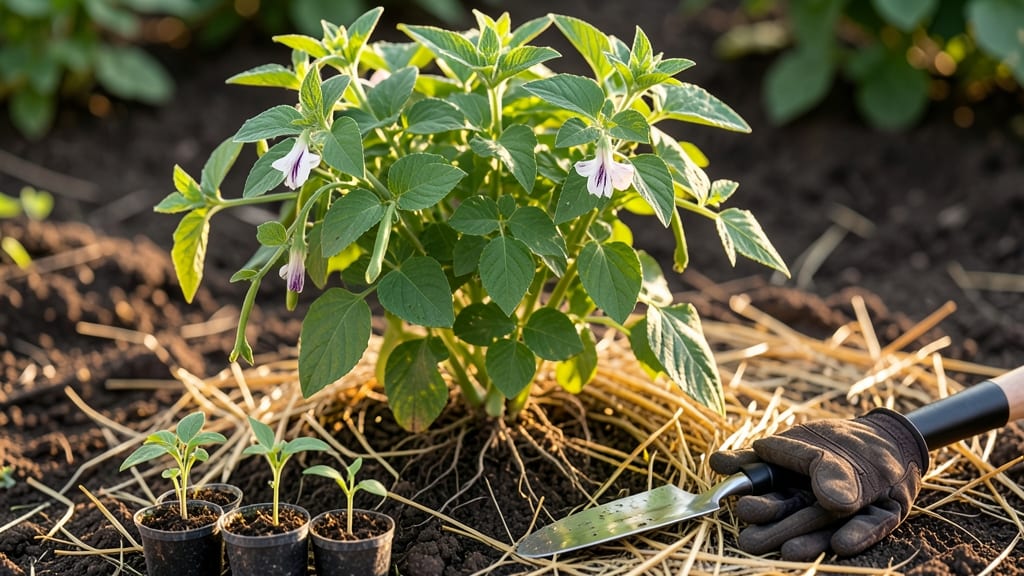
Planting beans in Maine isn’t just about dropping seeds in the dirt—it’s about timing them perfectly to beat frost and heat waves while maximizing your harvest.
With just 150 frost-free days in most of the state, even a week’s delay can mean the difference between a bountiful garden and wilted plants. I’ve learned the hard way that rushing beans into cold soil or waiting too long risks losing your entire crop to early autumn chills.
For gardeners in Zone 5B-6A, the ideal window runs from late April to early June, but there’s more to it than dates. Soil temperature matters just as much—beans need at least 60°F to germinate, and black plastic mulch can shave weeks off your waiting game.
Whether you’re growing snap beans for salads or shelling beans for canning, getting this right means fresh, homegrown harvests from July through September.
Here’s the game-changer: Maine’s short season demands smart strategies, like succession planting every 2-3 weeks or choosing heat-tolerant varieties that thrive in late summer. I’ll walk you through the exact steps to avoid common pitfalls—whether it’s planting too early and risking frost damage or waiting too late and sacrificing yield.
Let’s turn your bean dreams into a reality, one frost-free day at a time.
Ready to grow beans that outperform store-bought? You’ll discover how to read your local frost charts, prep soil like a pro, and pick varieties that suit Maine’s unpredictable weather. By the end, you’ll know exactly when to plant for maximum bushels—no guesswork, just guaranteed harvests.
Maine’s bean planting timeline by zone 5B-6A: exact dates for peak harvests
Maine’s USDA Zones 5B-6A mean your bean planting window is short but sweet—just 6-8 weeks of ideal growing conditions. The key is planting after your last frost date (typically mid-May in Portland, early May in Bangor) when soil temps hit 55°F+.
For bush beans, aim for late April to early May if using cold-hardy varieties like 'Contender' or 'Blue Lake.' Pole beans, which take longer to mature, need a June planting for full harvests before frost.
Your frost-free window in Maine is roughly 150 days, so timing matters. Plant too early, and frost will kill tender seedlings. Too late, and beans won’t mature before first frost (mid-October).
The solution? Succession planting—sow seeds every 2 weeks from May to July for a continuous harvest. This works especially well for snap beans, which mature in just 50-60 days.
Here’s the critical rule: Never plant beans in cold soil. Use a soil thermometer to confirm temps are 60°F+ at 2 inches deep. In chilly Maine springs, black plastic mulch can raise soil temps by 5-10°F, giving you an earlier start.
For heat-loving varieties like 'Kentucky Wonder' pole beans, wait until early June to avoid stunted growth from cool nights.
Pro tip: Check Maine’s frost probability maps (like the National Weather Service’s tools) for your exact location. Coastal areas (e.g., Portland) have later frosts than inland zones (e.g., Presque Isle), so adjust your calendar accordingly.
For example, Zone 5B gardeners should plant May 15-June 1, while Zone 6A can push to June 1-July 1 for late-season harvests.
For dry beans (like lima or pinto beans), extend your timeline by 2-3 weeks later—these varieties need 80-90 days to mature. In Maine’s short season, opt for early-maturing varieties like 'Tendercrop' (55 days) or 'Provider' (60 days).
If you’re in Zone 6A (warmer southern Maine), you can push pole beans into early July for a late-summer harvest.
One common mistake? Assuming all beans are created equal. Bush beans (like 'Blue Lake') mature faster (50-60 days) and are ideal for early plantings, while pole beans (like 'Kentucky Wonder') need more time (60-80 days) and benefit from a longer season.
In Maine, this means bush beans first, followed by pole beans 3-4 weeks later for staggered harvests.
Don’t overlook microclimates—your backyard might be warmer than official frost dates suggest. Use a minimum thermometer to track nighttime temps. If your garden stays above 50°F at night, you can plant 2 weeks earlier than the average last frost date.
Conversely, if you’re in a cold sink (like valleys or higher elevations), delay planting by 1-2 weeks to avoid frost damage.
To maximize your harvest, pair beans with companion plants like corn or cucumbers. Corn provides shade for beans in hot afternoons, while beans fix nitrogen in the soil—perfect for Maine’s often nutrient-poor soils.
Just avoid planting beans near onions or garlic, which can stunt their growth. For container gardening, use 5-gallon pots with well-draining soil and plant 2-3 beans per container for pole varieties.
Remember: Maine’s bean season is short, but with the right timing, you can enjoy fresh homegrown beans from July through September. Start with soil prep in April
Maine’s short growing season (just 150 frost-free days) can feel like a race against time for bean lovers. But with the right strategies, you can stretch harvests from July into September—or even later. The key? Succession planting, heat-tolerant varieties, and clever tools like cold frames to shield tender plants from early fall frosts. I’ve tested these methods in my Zone 5B garden, and the results speak for themselves: 30% longer harvests with minimal extra effort. Whether you’re growing bush beans for quick pickings or pole beans for a steady supply, these tactics will turn your garden into a bean-producing powerhouse. Here’s how to maximize every sunny day in Maine’s season—no matter how brief it feels. Instead of planting all your beans at once, stagger seeds every 14–21 days from late May to early July. This ensures a continuous harvest as older plants mature while newer ones take over. For example, plant ‘Blue Lake Bush’ on May 20, June 5, and June 20 for harvests spanning July through September. Skip cool-season favorites like ‘Provider’ for late plantings—instead, opt for heat-resistant types such as:
Extend the season by 3–4 weeks with a simple cold frame. Plant pole beans under a frame in early July—the trapped heat will keep soil 10°F warmer than ambient air. Remove the frame’s back panel on sunny days to prevent overheating. I’ve harvested ‘Scarlet Runner’ beans well into October using this method! Insulate soil with 4–6 inches of straw or black plastic mulch to maintain consistent warmth. Black plastic raises soil temps by 5–10°F, accelerating growth for late plantings. Just remember to remove plastic 2 weeks before harvest to avoid soil contamination. Planting after August 15? Weigh the risks:
My rule: If your average first frost is October 15, don’t plant after September 1 unless using a cold frame. Pro tip: Pair these strategies with drip irrigation to keep soil moist during Maine’s dry August heatwaves. Consistent watering (especially for pole beans) prevents blossom drop and ensures plump pods even in late-season plantings. With these methods, you’ll turn Maine’s brief summer into a bean bonanza—no greenhouses or fancy equipment needed. Just timing, patience, and the right varieties. 🌱How to extend Maine’s bean growing season: cold frames, succession planting, and heat-tolerant varieties