
Plants
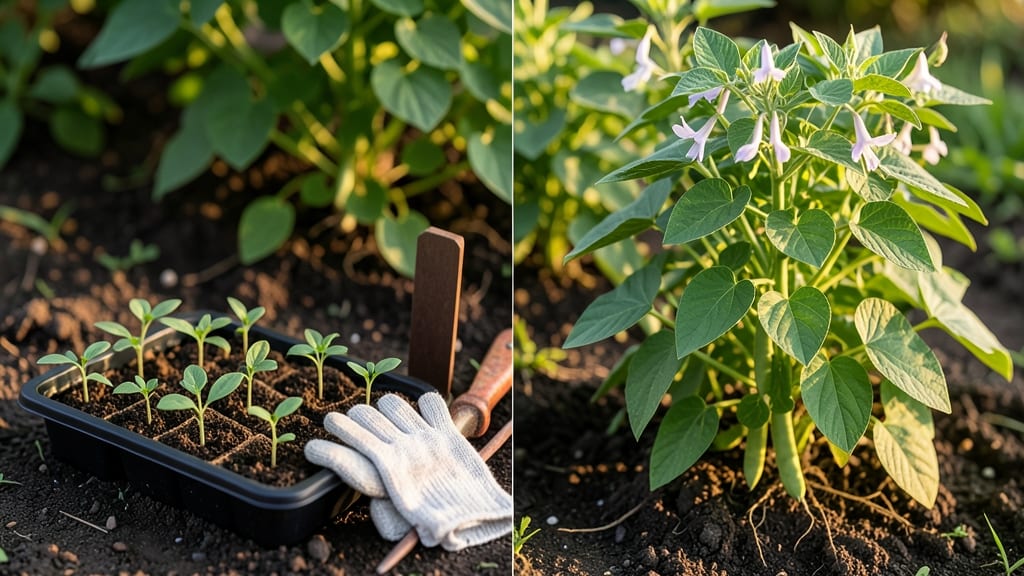
Planting beans at the wrong time in Massachusetts could mean the difference between a bountiful harvest and a sad, wilted 🌱 failure—especially when your last frost date looms just weeks away.
The key isn’t just waiting for spring; it’s knowing exactly when to drop those seeds into warm soil for the fastest, healthiest growth possible.
Here’s the truth: most gardeners in zones 5b-6b wait too long, risking stunted plants or pests taking over before they even get a chance. But with the right timing—April 15 to June 1—you’ll give your beans the head start they need to thrive all summer long.
Whether you’re growing bush beans for quick harvests or pole beans that climb all season, I’ll show you how to time your planting for peak yields, adjust for coastal vs. inland microclimates, and avoid the 3 biggest mistakes Massachusetts gardeners make every year.
Ready to turn your garden into a bean bonanza? Let’s get those seeds in the ground the right way—no guesswork, just results.
Massachusetts bean planting calendar: exact weeks before last frost by variety
Massachusetts gardeners know that timing is everything when planting beans. With USDA Zones 5b-6b, the last frost typically hits around April 15, but soil temperatures must reach 60°F+ before planting.
Warm-season beans like kidney beans and green beans need consistent warmth, while pole beans can tolerate slightly cooler conditions. Let’s break down the exact planting windows to maximize your harvest.
For bush beans, aim to plant 2-4 weeks after your last frost date. This means mid-April to early May in most of Massachusetts.
If you’re growing pole beans, they’re more forgiving and can go in 1-2 weeks earlier (late March to early April) with row covers for protection. Heirloom varieties often need longer growing seasons, so start them slightly later—early May—to avoid early frost damage.
Here’s the critical rule: Never plant beans when nighttime temperatures dip below 50°F. Cold snaps can stunt growth or kill seedlings entirely. Use a soil thermometer to confirm warmth before sowing.
If your soil is still chilly, opt for container gardening near a sunny wall or use black plastic mulch to warm the ground faster.
| Bean Type | Planting Window | Soil Temp Requirement | Days to Harvest | Notes |
|---|---|---|---|---|
| Bush Beans | Mid-April to early May | 60°F+ | 50-60 days | Compact; great for small spaces |
| Pole Beans | Late March to early April (with covers) | 55°F+ | 60-75 days | Vining; needs trellis |
| Heirloom Beans | Early May | 65°F+ | 65-80 days | Longer season; slower growth |
For a continuous harvest, consider succession planting. Sow new seeds every 2 weeks from mid-April to early June. This ensures fresh pods all summer long. If you’re in cooler inland areas (like Worcester), delay planting until late April to avoid frost.
Conversely, coastal regions (like Boston) can start slightly earlier due to milder microclimates.
Pro tip: Test your soil pH before planting. Beans thrive in slightly acidic to neutral soil (6.0-7.0 pH). If your soil is too alkaline, mix in compost or peat moss to adjust. Avoid fresh manure—it can burn young seedlings. Instead, use a balanced fertilizer (5-10-10) lightly at planting time.
Once your beans are in the ground, mulch heavily to retain moisture and suppress weeds. A 3-inch layer of straw keeps soil cool and prevents crusting, which is crucial for young seedlings.
Water deeply once a week (or more in dry spells) to encourage strong root growth. Shallow watering leads to weak stems and poor yields.
Harvest begins in early July for early varieties and can stretch into September if you’ve planted successionally. Look for pods that are 4-6 inches long, firm, and snap crisply when bent. Waiting too long turns beans tough and stringy. Pick regularly to encourage more production—beans don’t store well once harvested.
Don’t forget to save seeds from your best plants! Let a few pods mature fully on the vine, dry them in a cool, dark place, and store them for next year.
This saves money and ensures you’re growing varieties adapted to your local climate. With the right timing, your Massachusetts bean patch can yield pounds of fresh, homegrown beans all season long.
How to adjust planting dates for Massachusetts microclimates (coastal vs. inland)
Massachusetts isn’t one-size-fits-all when it comes to planting beans. Coastal areas like Boston and Cape Cod enjoy milder springs, while inland cities such as Worcester and Springfield face later frost dates.
These microclimates can shift your planting window by 2-3 weeks—so knowing your zone is key to avoiding frost damage or missed harvests.
Coastal regions typically see last frost dates 1-2 weeks earlier than inland areas. For example, Boston’s average last frost is around April 15, while Worcester’s can linger until May 1.
If you’re near the coast, you might start planting bush beans as early as late April, but inland gardeners should wait until mid-May for safer results.
If you’re unsure about your microclimate, test your soil temperature with a thermometer—beans need soil at 60°F+ to thrive. Inland gardeners can use row covers or cold frames to plant 2 weeks earlier, but coastal gardeners should avoid rushing—cold snaps in May can still damage tender seedlings. For pole beans, which take longer to mature, inland gardeners might consider succession planting in early June to ensure a harvest before the first frost in mid-October. Coastal areas can stretch their season further, but even there, late August plantings risk stunted growth before winter sets in. Don’t forget to monitor local weather forecasts—a sudden cold snap can turn a perfect planting day into a disaster. If frost is predicted, cover young plants with lightweight fabric or move containers indoors temporarily. With the right adjustments, you’ll maximize your harvest, whether you’re gardening by the Atlantic coast or in the Connecticut River Valley 🌿.🌱 Massachusetts Microclimate Planting Guide