
Plants
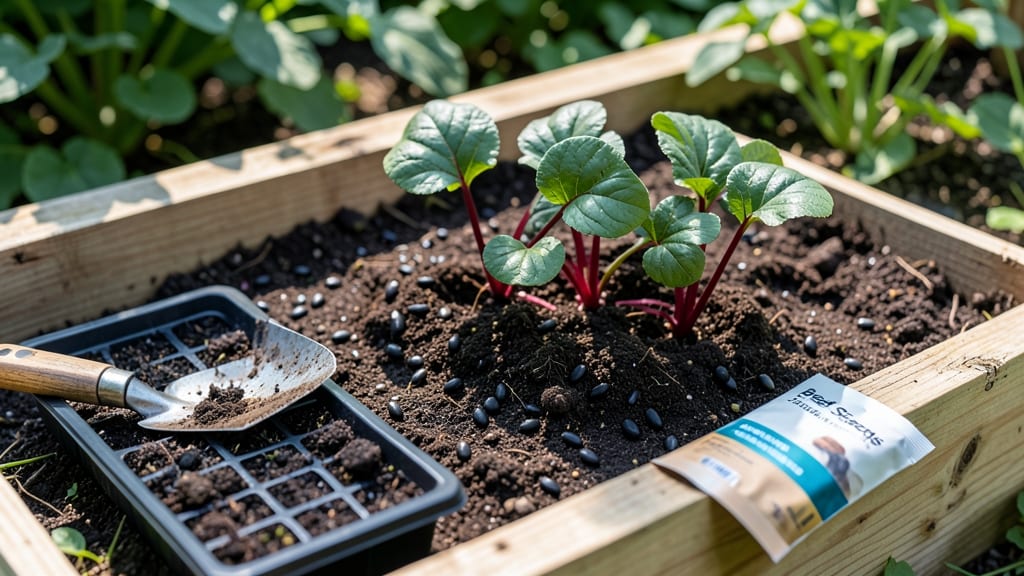
Planting beet seeds at the wrong time in Zone 6 can turn your garden into a waiting game—slow germination, bitter harvests, or even wasted seeds. The key to fast, sweet 🍠 harvests? Timing your planting just right, whether you're a first-time gardener or a seasoned pro.
In Zone 6, you’ve got a 6-week window before the last frost (around April 15) to get your beets in the ground for a spring harvest.
But here’s the catch: soil needs to be at least 40°F for seeds to sprout, and planting too early means struggling with cold, damp soil. I’ll show you exactly when to start—plus how to stretch your harvest into fall with succession planting.
Why does this matter? Beets thrive in cool weather but bolt (go to seed) when temperatures climb above 80°F. In Zone 6, that means beating the heat by planting early spring batches and late summer ones.
Let’s break down the exact schedule so you avoid the most common mistakes and end up with a steady supply of tender, flavorful beets all season.
Ready to skip the guesswork? You’ll learn how to adjust for your microclimate, whether your soil is slow to warm or your spring is unpredictable. With the right timing, you’ll go from seed to harvest in as little as 50 days—no more waiting around for your garden to deliver.
Optimal planting weeks before last frost in Zone 6 for fast beet germination
In Zone 6, timing your beet seeds for the 4-6 weeks before last frost (around March 15–April 15) ensures fast germination and strong seedlings.
Beets thrive in cool soil temperatures (40–85°F), so planting too early risks slow sprouting, while waiting too late can lead to bolting or bitter roots.
For early varieties like 'Detroit Dark Red', aim for 4 weeks before last frost (early March). Mid-season varieties like 'Golden' can wait until 3 weeks before frost (late March).
Always check your local frost date—Zone 6’s average last frost is April 15, but microclimates may vary by 1–2 weeks.
Soil temperature is critical: use a soil thermometer to confirm 50°F+ before planting. Cold soil delays germination by days or weeks. If your soil is still chilly, start seeds indoors 4–6 weeks before transplanting (though beets prefer direct sowing for best results).
| Planting Window | Soil Temp | Variety Type | Notes |
|---|---|---|---|
| Early March (4 weeks before frost) | 50–60°F | Early (e.g., 'Detroit Dark Red') | Best for fast harvests; risk of slow germination if soil is cold. |
| Late March (3 weeks before frost) | 60–70°F | Mid-season (e.g., 'Golden') | Ideal balance; fewer germination delays. |
| April 1–15 (1–2 weeks before frost) | 70–85°F | Late (e.g., 'Chioggia') | Risk of bolting; best for fall planting. |
| September 1–15 (for fall harvest) | 60–70°F | All varieties | Avoid planting after September 30—roots may turn woody. |
Zone 6 gardeners often overlook soil preparation as a factor in germination timing. Amend your soil with compost 2–3 weeks before planting to improve warmth retention and drainage. Beets hate waterlogged soil, so raise beds or add sand if your soil is clay-heavy.
A mulch layer (2–3 inches of straw) after sowing keeps soil temps stable and moisture consistent.
For container growing, plant beets in 5-gallon pots or larger, using a lightweight potting mix with perlite. Containers warm up faster than garden soil, so you can plant 1–2 weeks earlier than in-ground.
Just ensure pots have drainage holes to prevent rot. My Zone 6 containers often yield 20% more beets than in-ground due to better heat control.
If you’re unsure about your soil’s readiness, do the "finger test": push your finger 2 inches deep into the soil. If it feels cool to the touch (below 50°F), wait 5–7 days or use a black plastic mulch to warm the soil faster.
Pro tip: Lay down mulch 1 week before planting—it can raise soil temps by 5–10°F.
Remember, succession planting is key in Zone 6 to avoid a glut of beets at once. After your first planting (early spring), sow new seeds every 2–3 weeks until June 15.
This stretches your harvest from June through October and prevents bolting from summer heat. More on this in the next section!
🌱
Optimal planting weeks before last frost in Zone 6 for fast beet germination
In Zone 6, beets love the cool weather of early spring and late summer. The best time to plant beet seeds is 4-6 weeks before your last frost date, which typically falls around April 15 in most of Zone 6.
This timing ensures your soil is workable and warm enough for germination, usually when soil temperatures reach 40-85°F.
For spring plantings, aim to sow seeds between March 15 and April 30. This window gives your beets enough time to mature before summer heat sets in, which can cause them to bolt or develop bitter flavors.
If you're planting for a fall harvest, start seeds between September 1 and October 15 to avoid the first frost.
| Planting Window | Soil Temp | Variety Type | Notes |
|---|---|---|---|
| March 15 - April 15 | 40-60°F | Early varieties | Best for fast germination |
| April 15 - April 30 | 60-85°F | Mid-season varieties | Ideal for summer harvest |
| September 1 - September 30 | 50-70°F | Mid-season varieties | Avoid late September heat |
| October 1 - October 15 | 40-60°F | Late varieties | For fall harvest before frost |
Choose early-maturing varieties like 'Detroit Dark Red' or 'Babybeat' for spring plantings, as they can handle cooler soil temperatures better. For late summer plantings, opt for heat-tolerant varieties like 'Golden' or 'Chioggia', which resist bolting better in warmer conditions.
Always check your local frost dates—they can vary by 1-2 weeks even within Zone 6. If your spring is unusually cold, wait until soil temperatures consistently reach 50°F before planting. Use a soil thermometer to monitor conditions for the best results.
For container gardening, plant beet seeds in early April to give them enough time to mature before summer heat arrives. Containers warm up faster than garden soil, so be extra vigilant about keeping them moist and providing afternoon shade during hot spells.
Remember, beets are cool-season crops, so avoid planting them when daytime temperatures exceed 75°F. If you miss the spring window, don’t worry—succession planting in late summer can still yield a great harvest before frost.