
Plants
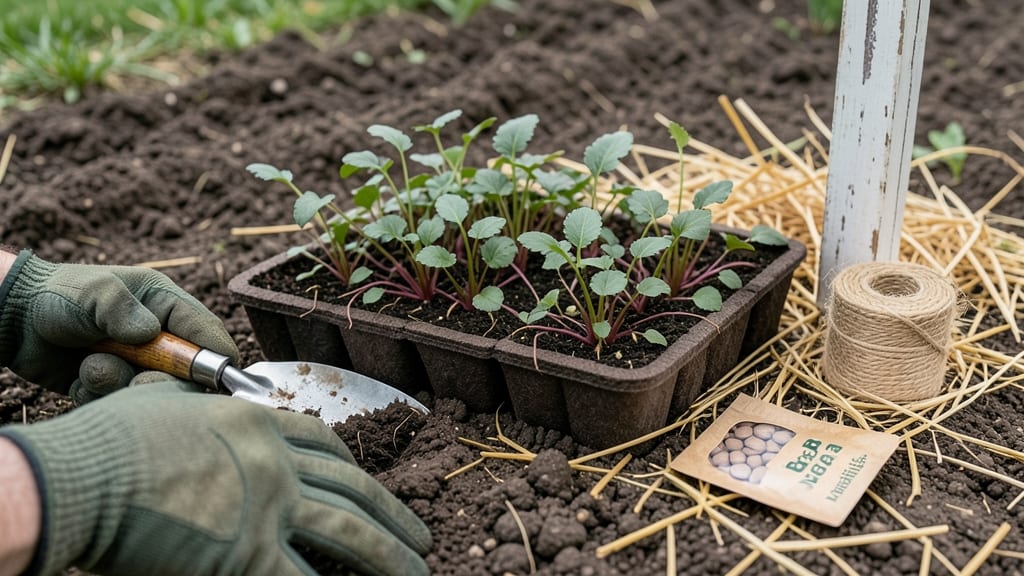
Planting beets in Southern California might seem straightforward, but timing is everything—especially when balancing coastal breezes and inland heat. If you miss the sweet spot between September and October, your harvest could turn bitter or bolt before you even taste those earthy roots.
The key lies in understanding how microclimates shift your planting windows, whether you're in frost-free San Diego or the hotter valleys of Riverside.
Most gardeners here focus on fall planting, but with the right variety and care, you can also grow beets in spring without wrestling with summer’s scorching sun. The trick?
Start seeds when soil temps dip below 75°F—cooler coastal areas give you a head start, while inland zones need patience to avoid stressing young plants.
Think of it as a game of timing: too early, and heat zaps germination; too late, and your beets rush to seed before you can harvest.
What sets Southern California apart is its near-frost-free growing season, which means you can stretch harvests longer than in colder climates. But don’t let that fool you—even here, afternoon shade and consistent moisture are non-negotiable.
I’ll show you exactly how to adjust your schedule for coastal vs. inland zones, plus the simple tweaks that keep your beets sweet and your garden thriving all year.
Ready to grow beets that taste like they came from a farmers' market? Let’s dive into the precise planting calendar, soil secrets, and watering hacks that’ll turn your garden into a beet bonanza—no guesswork required.
Southern California beet planting calendar: coastal vs inland months compared
Southern California’s microclimates create two distinct beet-growing seasons. Coastal areas like San Diego and Santa Barbara enjoy milder winters, while inland zones such as Riverside and Bakersfield face intense summer heat. Understanding these differences is key to avoiding bolting (premature flowering) or woody roots.
Beets thrive in USDA zones 9b-11, where frost is rare. However, high-elevation areas (like Mount Laguna) can experience light frosts in winter. For most of SoCal, focus on fall and spring planting windows to align with cooler temperatures and consistent moisture.
🌱 Pro Tip: Use a soil thermometer to confirm ideal germination temps of 50-75°F. Coastal soils stay cooler longer, while inland areas heat up faster in spring.
| Factor | Coastal (e.g., LA, San Diego) | Inland (e.g., Riverside, Bakersfield) |
|---|---|---|
| Best Planting Window | Sep-Oct (fall) & Feb-Mar (spring) | Aug-Sep (fall) & Feb (spring) |
| Frost Risk | Low (Dec-Jan) | None (frost-free) |
| Soil Temp for Germination | 50-65°F | 60-75°F |
| Harvest Window | Nov-Dec (fall) & May-Jun (spring) | Oct-Nov (fall) & Apr-May (spring) |
| Summer Planting Risk | Low (use shade cloth) | High (bolting risk) |
| Best Varieties | Detroit Dark Red, Golden | Chioggia (heirloom), Babybeat |
🌡️ Key Difference: Inland areas can plant 1 month earlier in fall to escape summer heat.
For coastal gardens, aim for September-October sowings to harvest before winter rains arrive. Inland gardeners should plant August-September to avoid the June Gloom humidity that slows growth. Both regions can attempt spring plantings, but inland areas must use shade cloth to prevent bolting.
💧 Watering Note: Coastal soils retain moisture longer, while inland soils dry out faster. Mulch with straw to conserve water and regulate soil temps.
Soil preparation is critical. Amend alkaline SoCal soil (pH 7.5-8.5) with compost or sulfur to lower pH to 6.0-7.0. Beets are heavy feeders, so mix in aged manure before planting. Test your soil’s nitrogen levels—too much causes leafy growth at the expense of roots.
🌿 Variety Tip: Choose heat-tolerant varieties like ‘Cylindra’ for summer plantings. For coastal areas, ‘Early Wonder’ matures in just 50 days, perfect for quick harvests.
Monitor your beet greens for signs of stress. Yellowing leaves signal overwatering or nutrient deficiency, while purple streaks on roots indicate too much nitrogen. Adjust your fertilizer schedule accordingly—feed lightly in spring, avoid summer fertilization, and boost nutrients in fall for a second harvest.
📅 Planting Reminder: Mark your calendar for September 15th (coastal) and August 15th (inland) as ideal start dates. These windows give your beets 60-70 days to mature before summer heat returns.
Southern California beet planting calendar: coastal vs inland months compared
Southern California’s microclimates create two distinct beet planting worlds: coastal areas like San Diego and Santa Barbara enjoy milder winters, while inland zones such as Riverside and Bakersfield face intense summer heat.
This divide shifts your planting timeline by 4-6 weeks. Coastal gardeners can start seeds as early as late August, while inland growers should wait until mid-September to avoid heat stress.
The key to success lies in soil temperature—beets germinate best when soil stays below 75°F. Coastal regions hit this sweet spot in fall, while inland areas need to plant earlier in spring (February-March) to escape summer’s furnace.
Think of it as a heat escape plan for your beets.
Here’s how the planting windows break down by zone:
| Zone | Ideal Planting Months | Soil Temp for Germination | Harvest Window | Key Consideration |
|---|---|---|---|---|
| Coastal (Zone 9b-10a) | Late August - October | 60-75°F | October - December | Foggy mornings protect seedlings |
| Inland (Zone 10b-11) | February - March | 65-70°F | May - June | Use shade cloth to prevent bolting |
| Coastal (Spring) | January - February | 60-70°F | April - May | Watch for coastal winds |
| Inland (Fall) | September - October | 65-75°F | November - December | Mulch heavily to retain moisture |
Notice how coastal areas get two planting opportunities—fall and spring—while inland zones focus on spring planting to avoid summer’s heat. This isn’t just about timing; it’s about survival strategies.
For example, in San Diego, you can even try winter planting (December) with row covers, but inland gardeners should never attempt this—frost risk is zero, but heat stress is real.
Pro tip: Use a soil thermometer to confirm temps before planting. Beets won’t germinate well above 80°F, even in coastal zones during heatwaves. If your soil hits 85°F, wait or use shade cloth to cool the soil by 10-15°F. This simple tool can save your entire crop.
For year-round production, coastal gardeners can stretch harvests into January with succession planting every 3 weeks, while inland growers should focus on fall planting for a holiday harvest. The goal? Never let your garden go beet-less for long.