
Plants
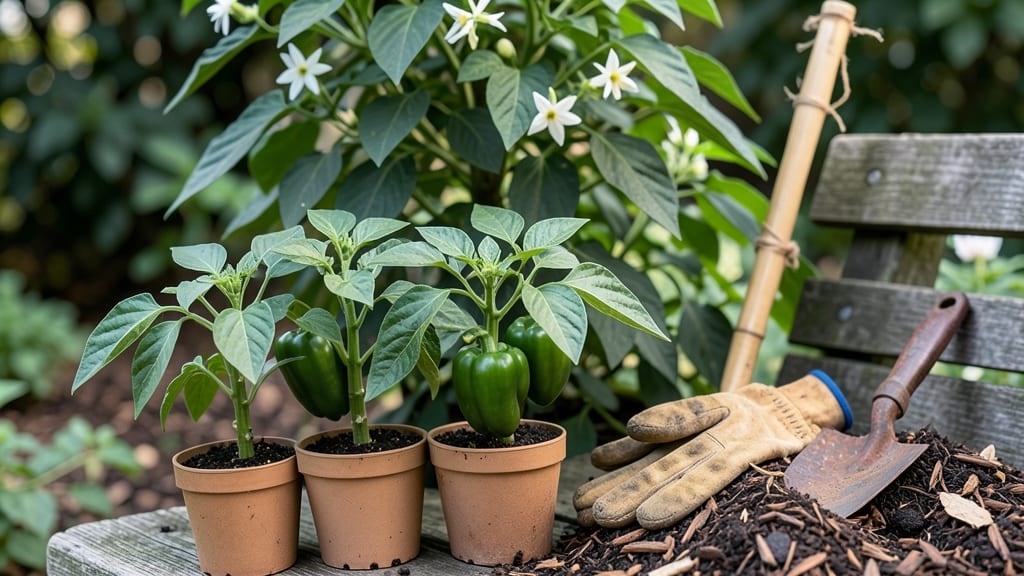
Timing your bell pepper 🌶️ planting just right in Alabama can mean the difference between a bumper crop and a sad, wilted disappointment.
The state’s unpredictable spring weather and scorching summers demand precision—plant too early, and frost will nip your seedlings in the bud; too late, and heat stress will turn your peppers into bitter, shriveled messes.
I’ve spent years watching Alabama gardens thrive (or fail) based on one key factor: when those seeds hit the soil. Whether you’re a first-time gardener or a seasoned green thumb, knowing the exact window—down to the week—is the secret to growing sweet, juicy peppers that last from summer through fall.
Here’s what I’ll show you: the ideal planting months for North vs. South Alabama, how to prep your soil for Alabama’s clay-heavy conditions, and which heat-tolerant varieties actually perform in our brutal summers. No more guessing—just science-backed timing to turn your garden into a pepper powerhouse.
Ready to ditch the trial-and-error? Let’s get into the exact dates, soil temps, and pro tips that’ll have your peppers thriving when other gardeners are scrambling to salvage their crops.
Best planting months for bell peppers in Alabama by climate zone
Alabama’s climate varies dramatically from North to South, so your planting window depends on your USDA zone. North Alabama (Zones 7a-7b) has earlier frosts and shorter summers, while Central/South Alabama (Zones 7b-8a) enjoys longer heat exposure.
I’ll break down the exact months to plant for each region, plus how to handle urban vs. rural growing conditions.
For all Alabama gardeners, soil temperature is critical—bell peppers need 60-85°F soil to thrive. Use a soil thermometer to check before planting. In cooler zones, wait until mid-April to early May when nighttime temps stay above 55°F.
In warmer zones, you can start as early as late March, but avoid planting too soon—frost damage is the #1 killer of young seedlings.
Here’s the summary table for Alabama’s planting zones, including frost-free dates and transplanting strategies:
If you’re starting seedlings indoors, begin 8-10 weeks before your last frost date. For North Alabama, that means early February starts; for South Alabama, January is fine.
Use grow lights to supplement weak winter sunlight, and harden off seedlings for 7-10 days before transplanting to acclimate them to Alabama’s humid heat.
For direct sowing (skipping seedlings), wait until soil temps are consistently above 70°F. In Central Alabama, this is usually mid-April; in South Alabama, late March. Direct-sown peppers take 2-3 weeks longer to mature than transplants, so plan accordingly if you’re aiming for an early harvest.
Alabama’s clay-heavy soil can compact easily, slowing root growth. Amend beds with 2-3 inches of compost and sand (50/50 mix) to improve drainage. In urban gardens, raised beds or container growing are ideal—they warm up faster in spring and give you control over soil quality.
I’ve had the best success with 5-gallon fabric pots on patios, as they stay warmer longer than in-ground beds.
One pro tip for Alabama gardeners: Mulch heavily with straw or pine straw to retain moisture and regulate soil temperature. Our summers can hit 95°F+, and mulch keeps roots 5-10°F cooler, reducing heat stress on plants.
Just avoid thick mulch layers (over 3 inches)—they can smother roots in humid conditions.
For fall planting, South Alabama gardeners can squeeze in a second crop by sowing seeds in late July to early August. Choose fast-maturing varieties (60-day harvest time) and use row covers to protect from early September frosts.
In North Alabama, fall planting is risky—stick to spring-only harvests unless you’re in a microclimate with extended warmth.
Finally, monitor your local extension service for Alabama Agricultural Experiment Station updates—they provide hyper-local frost data and pest alerts that can shift planting windows by 1-2 weeks. For example, 2023’s early spring had unusually warm March temps, allowing some gardeners to plant 3 weeks earlier than average.
Best planting months for bell peppers in Alabama by climate zone
Alabama’s climate varies dramatically from the cooler North to the hotter South, so planting times must adapt. In North Alabama (USDA Zones 7a-7b), like Huntsville or Decatur, aim for mid-April to early May after the last frost—typically around April 15.
Meanwhile, Central and South Alabama (Zones 7b-8a), including Birmingham and Mobile, can start as early as mid-March to early April, thanks to warmer soils. Always check your local frost-free date via the Alabama Cooperative Extension for precision.
Soil temperature is the real game-changer. Bell peppers need soil at least 60°F (15°C) to thrive. In Alabama, this usually aligns with late April to early May in most regions. Use a soil thermometer to confirm—cold soil stunts growth.
If you’re in doubt, wait until nighttime temps stay above 50°F (10°C) consistently. Urban gardens may warm faster than rural areas due to heat island effect, so adjust accordingly.
For seedlings, start indoors 8-10 weeks before your target transplant date. For North Alabama, that means mid-February starts, while South Alabama gardeners can begin late January.
Use grow lights to supplement weak winter sun. Harden off seedlings for 7-10 days before transplanting to avoid shock from Alabama’s fluctuating spring weather.
| Climate Zone | Last Frost Date | Ideal Planting Window | Soil Temp Requirement |
|---|---|---|---|
| North Alabama (Zones 7a-7b) | April 15 | Mid-April to Early May | ≥60°F (15°C) |
| Central Alabama (Zone 7b) | March 20 | Late March to Early April | ≥60°F (15°C) |
| South Alabama (Zone 8a) | February 28 | Mid-March to Early April | ≥65°F (18°C) |
If you’re in a high-altitude area, like the Appalachian foothills, delay planting by 1-2 weeks to account for cooler microclimates. For container gardening, black pots absorb heat faster than traditional clay, so you can plant 1-2 weeks earlier than in-ground.
Always space plants 18-24 inches apart to improve air circulation—a must in Alabama’s humid summers to prevent fungal diseases like pepper blight.
For a second harvest, try a late summer planting in South Alabama around July 1. Use shade cloth to protect seedlings from intense midday sun while they establish.
North Alabama gardeners can attempt this in early August, but success depends on warm soil and consistent watering. Always choose fast-maturing varieties (60-70 days) for these late plantings.
Pro tip: Mulch with straw or pine straw after transplanting to retain moisture and regulate soil temperature. Alabama’s clay soil can dry out quickly in summer, so mulch helps maintain consistent moisture—critical for fruit development. Avoid wet mulch, which can invite root rot. 🌱