
Plants
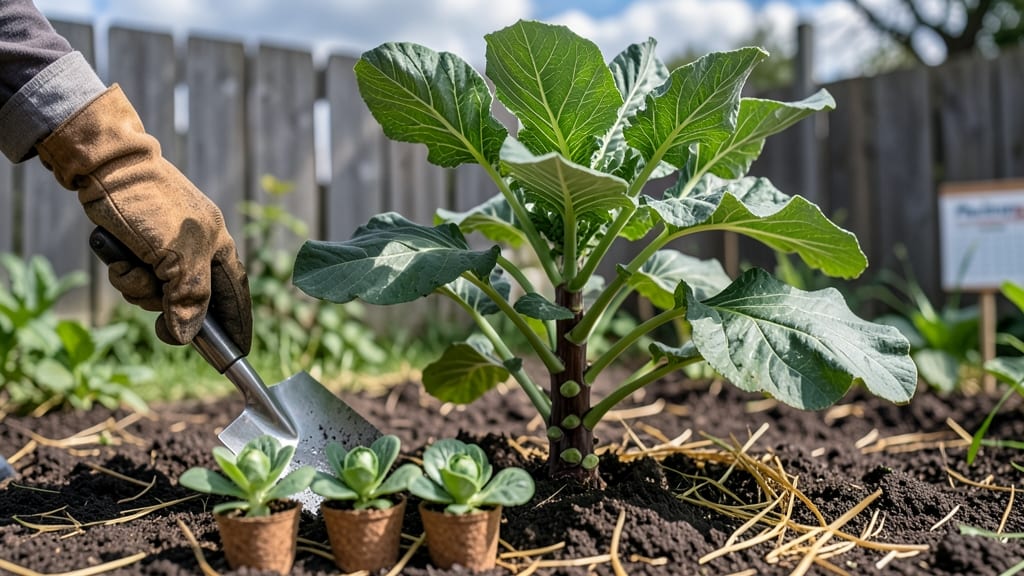
Planting Brussel sprouts 🥦 in Kansas isn’t just about the calendar—it’s about beating the state’s unpredictable frost dates and short growing season.
With the right timing, you can enjoy a harvest from October through January, but miss the window, and you’ll be left with bitter, underdeveloped sprouts or worse, a total loss.
Most Kansas gardeners swear by two planting windows: mid-March to mid-April for a fall harvest or mid-July to mid-August for a winter crop.
But here’s the catch—your exact start date depends on whether you’re in USDA Zone 5b (like Wichita) or Zone 7a (like Topeka), where frost can arrive weeks earlier. I’ll break down the precise timing for your region so you never guess again.
Beyond dates, Kansas gardeners need to know which varieties handle the state’s dry spells and early frosts—like the frost-resistant 'Long Island Improved' or the cold-hardy 'Ruby Ball'. Plus, I’ll share pro tips to extend your harvest, from succession planting to using row covers when temperatures dip.
Let’s make sure your 🥦 thrive no matter what Kansas throws at them.
Ready to plan your planting schedule? You’ll walk away with a clear timeline, soil prep secrets, and the confidence to grow Brussels sprouts that outlast the frost—no matter where you garden in the state.
Best planting times for Brussels sprouts in Kansas by region
Kansas gardeners face unique challenges with its variable climate, from early spring frosts to sudden fall freezes. Brussels sprouts, however, are frost-tolerant and actually sweeten in cold weather, making them perfect for Kansas' short growing season.
The key is planting at the right time to maximize yield before the first hard frost hits. For most of Kansas (USDA zones 5b-7a), this means two planting windows: spring and fall.
Timing varies slightly across regions. In Kansas City (Zone 6a), the last frost typically arrives around April 1, while Wichita (Zone 7a) sees its last frost around April 20. Meanwhile, Topeka (Zone 5b) holds onto frost longer, often until April 15.
These differences mean you’ll need to adjust your planting schedule based on your exact location. For example, gardeners in colder northern Kansas should start 2-3 weeks earlier than those in southern Kansas.
Spring planting is ideal for a fall harvest (October-November). In Kansas, aim to plant 4-6 weeks before your last frost date. This means mid-March to mid-April for most regions. For a winter harvest (December-January), plant 8-10 weeks before the first frost, which translates to mid-July to mid-August.
This second window allows you to enjoy fresh Brussels sprouts even after the ground freezes.
Soil temperature is another critical factor. Brussels sprouts won’t germinate well in cold soil. Wait until the soil reaches at least 45°F (7°C)—usually by mid-April in most of Kansas.
You can check soil temperature with a soil thermometer or use the back-of-the-hand test: if the soil feels cool but not freezing, it’s ready.
Microclimates within Kansas can also affect your planting success. Urban areas like Kansas City may experience heat islands, where temperatures run slightly warmer than rural areas. Conversely, western Kansas can have drier, cooler nights.
If you’re in an urban garden, consider planting 1-2 weeks later than rural recommendations to avoid stressing seedlings in early heat. For drier western regions, focus on soil moisture retention and mulching.
Direct sowing is the best method for Brussels sprouts in Kansas, as they transplant poorly. Start seeds indoors 4-6 weeks before your planned outdoor planting date if you prefer to get a head start. However, for most Kansas gardeners, direct sowing outdoors is simpler and just as effective.
Plant seeds ½ inch deep and 18-24 inches apart in rows 30 inches apart to allow for full-grown plants that reach 2-3 feet tall.
If you’re short on space, consider succession planting. Sow a new batch of seeds every 2 weeks during your planting window to ensure a continuous harvest. This is especially useful in Kansas, where early frosts can limit your growing season.
For example, plant one batch in mid-March, another in late March, and a final batch in early April to stagger your harvest through October.
One common mistake Kansas gardeners make is planting too late in the spring, which can result in bolting (premature flowering) before harvest. To avoid this, stick to the 4-6 week window before last frost and choose early-maturing varieties like 'Long Island Improved' or 'Ruby Ball'.
These varieties are cold-hardy and perfect for Kansas’ unpredictable weather.
For fall planting, focus on soil preparation to ensure healthy growth before winter. Amend your soil with compost or aged manure to improve fertility, and mulch heavily to retain moisture and ins
Best planting times for Brussels sprouts in Kansas by region
Kansas’ USDA Zones 5b-7a create a tricky balance for Brussels sprout gardeners—too early, and seedlings rot in cold soil; too late, and frosts ruin your harvest. The key is planting 4-6 weeks before your last frost date for a fall crop or 8-10 weeks before first frost for winter harvests.
But since Kansas City’s last frost (April 15) can differ by 3 weeks from Topeka’s (April 20), your timing must be precise.
Most Kansas gardeners focus on two planting windows: spring (mid-March to mid-April) and fall (mid-July to mid-August). Spring plantings yield harvests in October-November, while fall plantings stretch into December-January.
However, soil temperature is critical—Brussels sprouts need 40°F+ soil to germinate, so don’t rush early starts in Zone 5b areas like Wichita.
Here’s how to adjust your schedule by region, including microclimate tweaks for urban vs. rural gardens:
| Region | USDA Zone | Spring Planting Window | Fall Planting Window | Last Frost Date | First Frost Date |
|---|---|---|---|---|---|
| Wichita | 5b | March 20 - April 10 | July 20 - August 10 | April 15 | October 15 |
| Kansas City | 6a | March 25 - April 15 | July 25 - August 15 | April 1 | October 20 |
| Topeka | 7a | April 1 - April 20 | August 1 - August 20 | April 20 | November 1 |
*Adjust dates 1 week earlier for urban microclimates (e.g., concrete heat islands) or 1 week later for rural areas with cooler soils.
For urban Kansas City gardeners, city heat can push last frost dates back by 3-5 days, so start seeds 5-7 days earlier than rural areas. Conversely, rural Wichita gardeners may experience colder soils due to wind exposure, so wait until soil reaches 45°F+ before planting.
Use a soil thermometer to avoid guesswork—this small tool saved my first year’s crop from rot!
Pro tip: If you’re in Zone 6a or 7a, consider a second fall planting in late August for a December harvest. The trade-off? You’ll need to use row covers to protect plants from early frosts.
I’ve had success with floating row covers (like Agribon) that let light through while blocking -5°F temperatures.
Remember, Brussels sprouts are cool-season crops—they love frost once established! In fact, a light frost sweetens the flavor of mature sprouts. The goal is to time your harvest so plants experience 3-4 weeks of 30-40°F nights before frost hits.
This ensures maximum sugar content and crisp texture—worth the planning!