
Plants
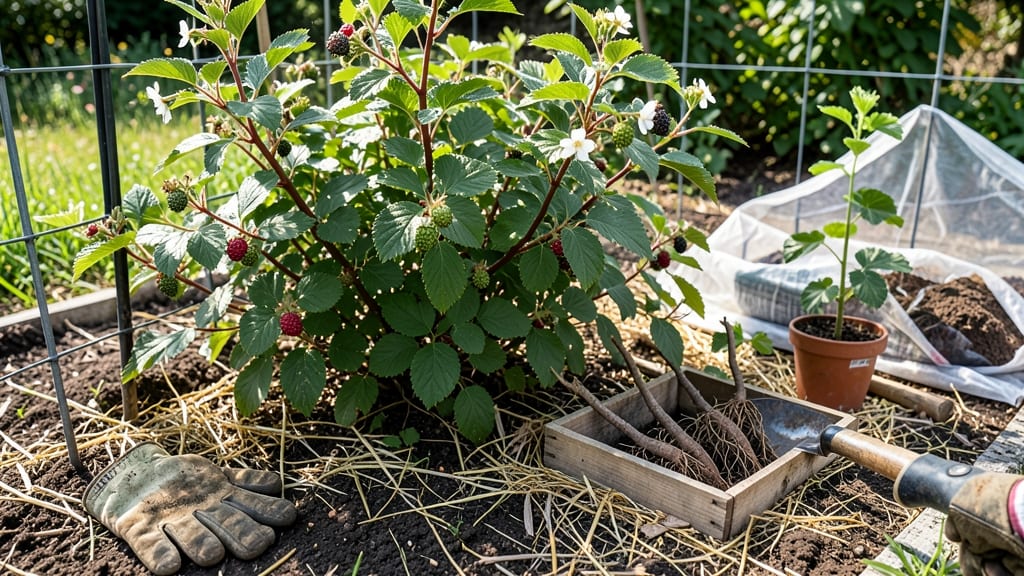
Planting your 🫐 blackberries at the wrong time in Tennessee can mean the difference between a thriving bush and one that barely survives the first frost.
With the state's unpredictable spring weather and hot summers, getting the timing right is crucial—especially for thornless varieties that are easier to manage but still need the perfect window to take root.
If you're wondering when to plant blackberries in Tennessee, the answer depends on whether you prefer early spring or fall planting. Both seasons offer advantages, but each comes with its own set of challenges—from soil temperature to frost risks.
Let me break down the best times to plant, so you can set your blackberries up for success from day one.
Spring planting (February to April) gives your bushes a head start, but Tennessee's late frosts can still catch them off guard. Fall planting (September to October), on the other hand, allows roots to establish before winter, but timing is everything to avoid early cold snaps.
I’ll walk you through the ideal conditions for each season, including soil prep and post-planting care.
Whether you’re working with bare-root canes or potted plants, understanding these nuances will help you avoid common mistakes and ensure your blackberries thrive in Tennessee’s USDA Zones 6a-7b. Let’s get your bushes planted at the perfect time for a bountiful harvest.
Best planting seasons for blackberries in Tennessee: spring vs fall breakdown
Tennessee’s climate—with its USDA Hardiness Zones 6b-7a—creates a unique window for planting thornless blackberries like 'Natchez' or 'Arapaho'. The best times are early spring (February-April) or late fall (September-October), but each has distinct advantages.
Spring planting lets roots establish before summer heat, while fall planting avoids summer stress and gives plants a head start. Let’s break down the pros and cons for each.
For spring planting, aim for late February to early April—after the last frost (March 15 in most of Tennessee) but before soil temperatures exceed 70°F. This timing ensures roots grow without competing with summer heat.
In contrast, fall planting (September-October) allows roots to establish before winter dormancy, reducing transplant shock. However, avoid planting too late—November 15 is the cutoff before the first frost.
Soil temperature is critical: blackberries thrive when soil is 50-60°F. In Tennessee, this typically aligns with mid-March to mid-April for spring or September-October for fall. Use a soil thermometer to confirm—planting too early (cold soil) or too late (hot soil) stresses roots. Pro tip: Mulch heavily after planting to regulate soil temperature and retain moisture.
Tennessee’s regional microclimates also matter. In East Tennessee (higher elevations), spring planting may start 2-3 weeks later due to cooler temperatures, while West Tennessee (warmer zones) can plant earlier. Always check your local last frost date—the Tennessee State University Extension offers county-specific frost maps for precision.
Now, let’s compare the two planting seasons side by side to help you decide which works best for your schedule and climate zone.
| Factor | Spring Planting (Feb-Apr) | Fall Planting (Sep-Oct) |
|---|---|---|
| Best For | Bare-root plants; faster root establishment before summer heat | Potted plants; reduced summer stress |
| Soil Temp Requirement | 50-60°F (mid-March to April) | 50-60°F (September-October) |
| Watering Needs | Moderate (deep watering weekly) | Low (soil retains moisture longer) |
| Frost Risk | Low (after last frost) | Moderate (avoid planting after Nov 15) |
| Growth Timeline | Fruiting in 1-2 years | Fruiting in 1 year (head start) |
| Tennessee-Specific Tip | Use row covers if late spring frosts occur | Mulch 3-4 inches deep to protect roots |
Both seasons work, but fall planting often gives blackberries a slight edge in Tennessee’s climate. The cooler temperatures and reduced summer stress mean plants establish faster, leading to earlier fruiting.
However, if you miss the fall window, early spring is your next best option—just be prepared for more frequent watering as temperatures rise.
One critical mistake to avoid? Planting bare-root blackberries in hot, dry soil. If you’re planting in spring and soil temperatures exceed 70°F, delay until conditions cool. For potted plants, acclimate them to outdoor temperatures gradually over 7-10 days before transplanting to prevent shock.
For East Tennessee growers (USDA Zone 6b), prioritize fall planting—the cooler nights and shorter growing season favor this approach. In West Tennessee (Zone 7a), where summers are longer, spring planting can work well if followed by consistent mulching and irrigation.
Always monitor your local weather forecasts, as Tennessee’s spring can swing from freezing nights to 90°F days in weeks.
Pro tip: If you’re unsure about timing, opt for container-grown blackberries.
Best planting seasons for blackberries in Tennessee: spring vs fall breakdown
Tennessee’s USDA Zones 6b-7a create a unique challenge for blackberry planting—spring and fall both offer viable windows, but timing depends on your microclimate.
In the warmer western regions (like Memphis), you can plant as late as mid-April, while eastern Tennessee’s cooler zones (like Knoxville) demand earlier action by late March to avoid frost damage.
For thornless varieties like 'Natchez' or 'Arapaho', fall planting (September-October) is ideal because cooler soil temperatures reduce transplant shock. However, avoid planting too late—4-6 weeks before first frost (typically mid-November) gives roots time to establish before winter dormancy.
Soil temperature is your best guide: aim for 50-60°F at planting depth (6 inches). In Tennessee, this usually means March-April for spring or September-October for fall. Use a soil thermometer to confirm—planting when soil is too warm can stress roots, while cold soil slows root growth.
📅 Spring vs Fall Planting Comparison
| Factor | Spring Planting (Feb-Apr) | Fall Planting (Sep-Oct) |
|---|---|---|
| Best For | Bare-root plants; faster first-year growth | Potted plants; reduced transplant shock |
| Soil Temp | 50-60°F (March-April) | 50-60°F (September-October) |
| Frost Risk | High (plant after last frost) | Low (plant 4-6 weeks before first frost) |
| Watering Needs | Moderate (establish roots before summer) | Low (cooler temps reduce evaporation) |
| Yield Timing | First fruit in 2 years | First fruit in 1-2 years |
Pro Tip: For fastest establishment, choose fall planting in Tennessee’s warmer zones (7a) or spring planting in cooler zones (6b).
If you’re planting in eastern Tennessee’s higher elevations (like the Smoky Mountains), prioritize early spring (March) to avoid late frosts that can kill tender new growth. In middle Tennessee (Nashville area), both seasons work—just adjust for soil moisture.
After planting, mulch heavily with straw or wood chips to retain moisture and regulate soil temperature.
For container-grown blackberries, fall planting offers an edge—potted plants have established root balls that handle Tennessee’s humid summers better than bare-root canes. If you must plant in late spring (May), select dwarf varieties like 'Chester' and water deeply every 3-5 days to compensate for slower root establishment.
Remember: Tennessee’s climate variability means local frost dates can shift yearly. Check the Tennessee State University Extension’s frost calendar or use USDA’s Plant Hardiness Zone Map to fine-tune your timing.
With the right approach, your thornless blackberries will thrive whether you plant in spring’s warmth or fall’s cool embrace. 🌱