
Plants
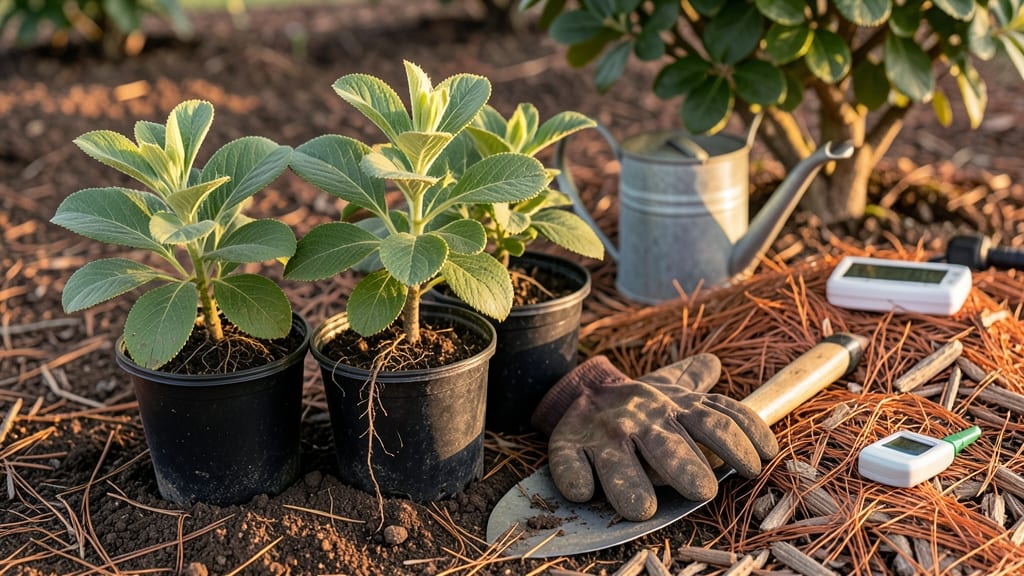
Planting your 🫐 blueberries at the wrong time in South Carolina could mean the difference between a thriving bush and one that barely survives.
The secret to success lies in understanding the perfect window—when the soil is cool enough for roots to establish but warm enough to avoid winter stress.
If you're in zones 7b-9a, the ideal time to plant is either late winter to early spring or fall, when temperatures are mild and rainfall is consistent. This timing helps your blueberries take root before the heat of summer or the chill of winter sets in.
I’ve learned from experience that planting in September or October gives your bushes a head start, while spring planting should happen before the last frost in March.
The key is getting it right—so let’s break down the best months for your specific zone and how to prepare your soil for maximum growth.
Whether you’re a first-time gardener or a seasoned pro, these insights will help you avoid common mistakes and set your blueberries up for a bountiful harvest. Let’s get those roots growing strong!
Best months to plant blueberries in SC by hardiness zone
South Carolina’s USDA hardiness zones 7b-9a create a unique window for planting blueberries, but timing depends on whether you’re using bare-root bushes or container-grown plants. The ideal months are September to October for fall planting, but early spring (February–April) also works.
Let’s break down the best times for each zone to maximize root growth before summer heat arrives.
In Zone 7b (upstate SC), aim for late February to early April or September to mid-October. Cooler temps and moist soil help roots establish before summer’s heat. For Zone 8a-8b (central SC), extend your fall window to early November—just avoid planting when frost is forecasted within 2 weeks.
Zone 9a (coastal SC) gardeners have the most flexibility, with September through November as the safest window. However, avoid planting in July or August—the heat stresses young roots, and hurricane season can disrupt soil stability. Container-grown plants are your best bet for summer planting in hotter zones.
Here’s how soil temperature impacts planting success: roots need 50–60°F soil temps to establish. In SC, this typically aligns with fall (September–October) or early spring (February–March). Planting too late in spring (after mid-April) risks heat stress, while fall planting after mid-November leaves roots vulnerable to winter chill.
Bare-root bushes should always be planted in dormant season (fall or early spring) to minimize transplant shock. Container-grown plants, however, can handle year-round planting in SC, making them ideal for urban gardeners or those with limited space.
Pro tip: Check your last frost date (typically mid-March in SC) and plant 6–8 weeks before to give roots time to anchor. For example, if your last frost is March 15, aim for January planting in Zone 7b.
🌱
| Zone | Best Planting Months | Soil Temp Goal (°F) | Key Consideration |
|---|---|---|---|
| 7b (Upstate) | Feb–Apr, Sep–Oct | 50–60°F | Avoid summer heat; mulch heavily |
| 8a–8b (Central) | Feb–Apr, Sep–Nov | 50–60°F | Extend fall window; watch for early frost |
| 9a (Coastal) | Sep–Nov | 55–65°F | Use containers for summer planting; hurricane prep |
If you miss the ideal window, don’t panic! Container-grown blueberries can be planted in SC’s summer months (June–August) as long as you provide daily shade and consistent moisture. However, expect slower initial growth compared to fall-planted bushes.
For urban gardeners in SC’s hotter microclimates (like Charleston or Greenville), container planting is often the best strategy. Use 5-gallon pots with acidic potting mix and place them in partial shade during peak summer heat (June–July).
Remember: Root establishment is the #1 priority. A bush planted in September will have 6–8 weeks of cool weather to grow roots before summer stress hits. That’s why fall planting is often the gold standard for SC gardeners.
💧
Best months to plant blueberries in SC by hardiness zone
South Carolina spans USDA hardiness zones 7b through 9a, which means your blueberry planting window varies slightly depending on where you live. For most of the state—especially zones 7b and 8a—the ideal planting months are September through October (fall) or February through early April (early spring).
These windows align with cooler soil temperatures and higher moisture levels, both critical for root establishment.
In zone 8b and 9a (common in coastal SC), you can extend planting into late October or early November, but avoid planting after the first frost, which typically hits mid-November.
The key is to plant while soil temps stay above 45°F (7°C)—this gives roots time to establish before winter dormancy. Early spring planting (February-April) works too, but you’ll need to water deeply to compensate for drier air.
| Zone | Best Planting Months | Soil Temp Goal | Key Consideration |
|---|---|---|---|
| 7b (Upstate SC) | September–October or February–March | 45–60°F (7–15°C) | Avoid late spring planting (risk of drought stress) |
| 8a (Midlands SC) | September–November or February–April | 50–65°F (10–18°C) | Fall planting preferred; spring planting needs irrigation |
| 8b–9a (Coastal SC) | September–early November or February–March | 55–70°F (13–21°C) | Hurricane season (June–November) may delay fall planting |
If you’re planting bare-root blueberries, fall is your best bet—roots establish faster in cooler weather, and the plant enters dormancy naturally. For container-grown bushes, you have more flexibility and can plant year-round, but still aim for fall or early spring to avoid heat stress.
Pro tip: Mulch heavily after planting (3–4 inches of pine straw) to retain moisture and regulate soil temps.
Timing isn’t just about months—it’s also about moon phases. Planting during a waxing moon (when the moon is growing) is said to encourage root growth, though science backs it up more for water retention than anything else.
Pair this with a deep watering (1–1.5 gallons per plant) immediately after planting to kickstart root development.
One common mistake in SC is planting too late in spring—by May or June, the heat can shock young roots. If you miss fall, opt for container growing in partial shade until you can transplant in the next ideal window.
And remember: Southern exposure is key for sunlight, but avoid areas with midday heat exposure (like blacktop parking lots) that can bake roots.
For urban gardeners in SC’s hotter microclimates (like Charleston or Columbia), consider dwarf varieties like ‘Top Hat’ or ‘Peach Sorbet’—they thrive in containers and tolerate heat better. These can be planted as late as April or early May with extra mulch and drip irrigation to keep roots cool.