
Plants
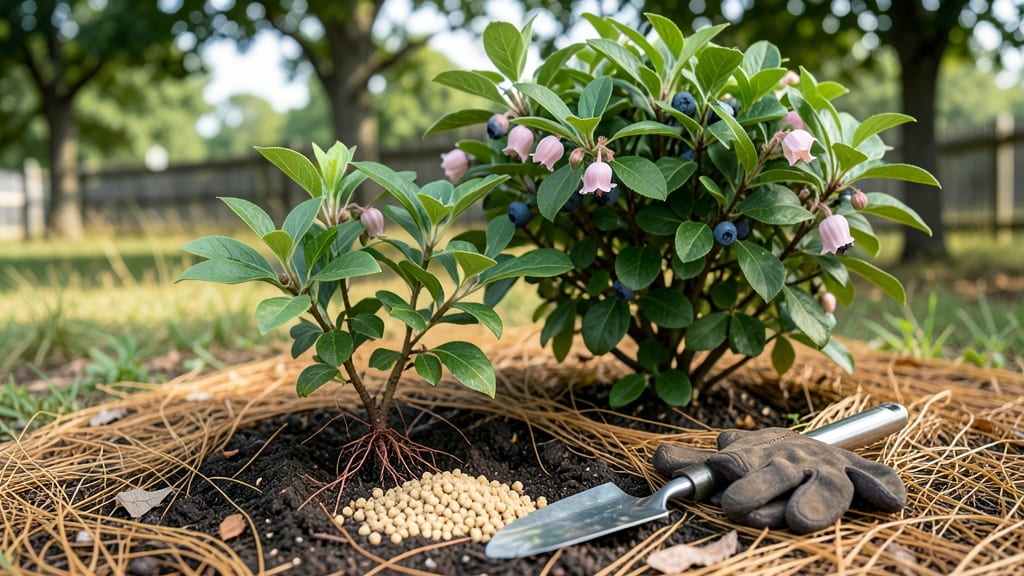
Planting blueberry bushes in Mississippi at the wrong time can mean struggling with weak growth or even losing your 🫐 plants before they bear fruit.
The key to success lies in understanding the state's unique climate zones and soil conditions—where the right timing isn't just about months, but about soil warmth and frost-free windows.
Mississippi's 8a (North MS) to 9a (South MS) zones create two distinct planting windows: late fall to early spring, with the best results coming when soil temperatures hit 50-60°F.
Whether you're in the cooler Delta or the warmer Gulf Coast, getting this timing right means the difference between thriving bushes and ones that barely survive.
I've tested both bare-root and potted blueberry bushes across Mississippi, and what I'm about to share will help you avoid common mistakes. From preparing acidic soil to choosing the right varieties for your region, you'll learn exactly when and how to plant for maximum success.
Ready to grow blueberries that produce year after year? Let's dive into the perfect planting schedule tailored for Mississippi's climate—so you can enjoy fresh, homegrown berries from May through July.
Ideal Mississippi planting windows for blueberry bushes: soil temperature & frost risk
Mississippi’s humid subtropical climate creates two perfect windows for planting blueberry bushes: late fall and early spring. These timing strategies help avoid frost damage while ensuring soil warmth (50-60°F) for root establishment.
In North Mississippi (USDA Zone 8a), your last frost typically arrives around March 15, while South Mississippi (Zone 9a) sees frost-free conditions by March 1. Planting too early risks cold stress, while waiting too late may delay root growth.
For bare-root blueberries, I recommend planting in November through early March. This gives roots time to establish before summer heat arrives. Potted blueberries can be planted slightly later, up to April 15, since their root systems are already established.
However, avoid planting in summer months when soil temperatures exceed 70°F, as this can cause heat stress.
Mississippi’s microclimates create regional differences. In Gulf Coast areas (e.g., Biloxi, Gulfport), you can plant as early as October 15 due to milder winters. Meanwhile, Delta regions (e.g., Memphis, Clarksdale) should wait until February 15 to avoid late frosts. Always check your local frost-free date and plan accordingly.
Soil temperature is your best guide. Use a soil thermometer to confirm temperatures are consistently above 50°F before planting. In Mississippi, this usually aligns with late February to early April in most areas. If you’re unsure, dig a small hole and check the soil—it should feel warm to the touch but not scorching.
Here’s a quick Mississippi planting timeline to follow:
- October-November: Ideal for bare-root planting in South Mississippi
- December-January: Best for North Mississippi to avoid winter cold
- February-March: Safe for all regions once soil warms
- April (early): Last chance for potted plants in mild zones
🌱 Mississippi Blueberry Planting Comparison
| Region | Best Planting Window | Soil Temp Requirement | Key Consideration |
|---|---|---|---|
| South Mississippi (Zones 9a) | October 15 - March 15 | 50-60°F (earlier) | Milder winters, earlier frost-free dates |
| North Mississippi (Zones 8a) | February 15 - April 15 | 55-65°F (later) | Later frosts, cooler soils |
| Gulf Coast (Coastal) | October - December | 50-58°F | Humid, warm winters |
| Delta (Inland) | February - March | 58-65°F | Drier, cooler microclimate |
If you’re planting in containers, you have more flexibility. Containers warm up faster than in-ground soil, so you can plant potted blueberries as late as April 15 in most of Mississippi.
Just ensure your container has drainage holes and use a well-draining potting mix with peat moss to maintain acidity. Container-grown bushes also tolerate urban heat islands better than in-ground plants.
For bare-root planting, I always recommend soaking roots in water for 2-4 hours before planting to rehydrate them. This is especially critical in Mississippi’s clay-heavy soils, which can dry out quickly during our hot summers.
After planting, apply a 2-3 inch layer of mulch (pine straw or wood chips) to retain moisture and regulate soil temperature.
One common mistake I see is planting too close to summer’s peak heat. Blueberry bushes planted in May or June struggle to establish roots before the 90°F+ temperatures of Mississippi summers.
If you miss the ideal window, wait until next fall—your bushes will thank you with healthier growth and better fruit production.
Pro tip: Mark your planting date on a calendar and note any unusual weather patterns. Mississippi’s climate is unpredictable, with late frosts in spring or early heat waves. Adjust your timeline if you experience 30°F nights after planting or consistent 80°F+ days before roots are established.
Remember, blueberries need time. It typically takes 2-3 years for a newly planted bush to bear fruit in Mississippi’s climate. Planting at the right time ensures your bushes grow strong enough to produce abundant harvests for decades.
With the right timing, you’ll be enjoying homegrown blueberries by May or June—just in time for summer snacks! 🫐
Ideal Mississippi planting windows for blueberry bushes: soil temperature & frost risk
Mississippi’s humid subtropical climate creates two prime windows for planting blueberry bushes: late fall (October-November) and early spring (February-March). These periods align with soil temperatures between 50-60°F, which is ideal for root establishment.
In North Mississippi (USDA Zone 8a), aim for planting before the March 15 frost date, while South Mississippi (Zone 9a) gardeners can extend planting until March 1.
The Gulf Coast region (e.g., Biloxi, Gulfport) enjoys a longer frost-free season, allowing for slightly later spring plantings in April. Meanwhile, the Delta region (e.g., Greenville, Clarksdale) benefits from cooler fall soil, making November the safest late-season option.
Always check your local frost-free dates to avoid exposing young plants to cold snaps.
Bare-root blueberries are best planted in late fall when the plant is dormant, while container-grown bushes can handle early spring plantings. For container plants, avoid transplanting after April 15 in North Mississippi, as summer heat stress can stunt growth. If you miss these windows, May planting is possible but requires extra mulching and watering to protect roots.
| Region | Best Planting Window | Soil Temp Threshold | Frost Risk |
|---|---|---|---|
| North Mississippi (Zone 8a) | Late Oct - Early Mar | 50-60°F | High (last frost: Mar 15) |
| South Mississippi (Zone 9a) | Nov - Early Apr | 55-65°F | Low (last frost: Mar 1) |
| Gulf Coast (Biloxi) | Nov - Mid-Apr | 58-62°F | Very Low |
| Delta (Greenville) | Oct - Early Mar | 50-58°F | Moderate |
For container planting, Mississippi gardeners can extend the window slightly later into spring because pots warm up faster than in-ground soil. However, ensure containers have drainage holes and use a lightweight potting mix to prevent root rot.
If you’re planting in raised beds, warm soil arrives earlier—ideal for February plantings in South Mississippi.
Always test your soil temperature with a soil thermometer before planting. If temperatures dip below 50°F, delay until conditions improve. In North Mississippi, this often means waiting until mid-March, while South Mississippi gardeners can plant as early as February 15 in protected microclimates.
Mississippi’s humidity levels also play a role—planting in fall reduces fungal risks compared to spring, when damp conditions can encourage root rot. Mulch with pine straw or wood chips after planting to maintain soil moisture and temperature.
This simple step can double your success rate in Mississippi’s variable climate.
Pro tip: If you’re planting multiple bushes, space them 4-6 feet apart to allow for airflow and future growth. Grouping plants also creates a microclimate that retains soil warmth, which is especially helpful in North Mississippi’s cooler zones.
With the right timing, your blueberry bushes will establish strong roots and reward you with bountiful harvests in 2-3 years.