
Plants
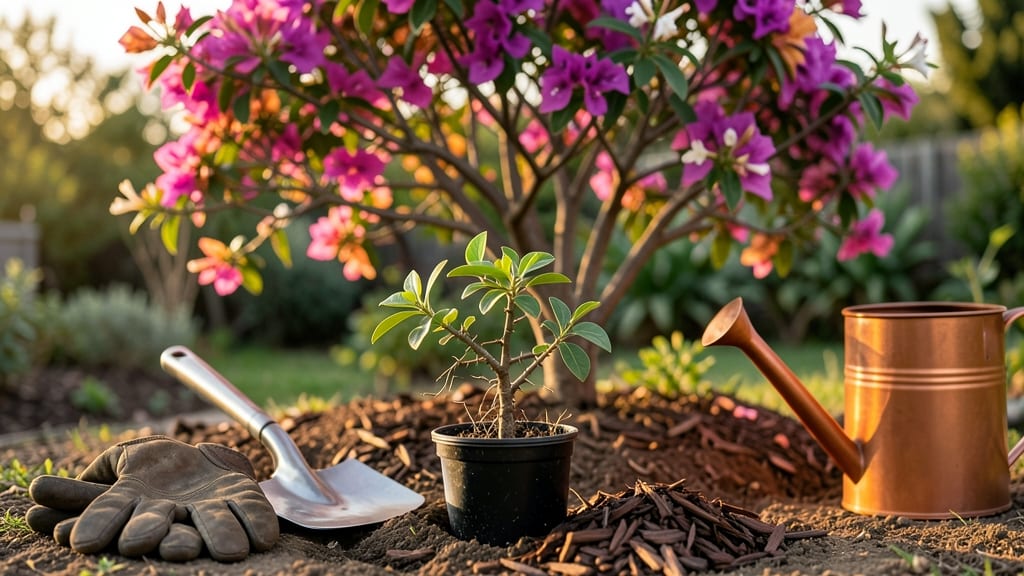
To plant bougainvillea in Texas and guarantee those stunning 🌸 blooms all season, timing is everything—because one wrong move means frost damage or stunted growth. Texas gardeners know the difference between a thriving vine and a struggling one often comes down to when you put those roots in the ground.
If you're in North Texas (zones 8a-9a), wait until after your last frost—usually mid-March—to give your bougainvillea a fighting chance.
But if you're in South Texas or the Rio Grande Valley (zones 9b-10b), you can plant year-round, though spring still gives you the best start for vibrant blooms.
Why does this matter? Because bougainvillea thrives in heat, but it hates cold snaps. Planting too early in cooler zones risks frost damage, while waiting too long means summer’s intense heat can stress young plants before they establish roots.
I’ll break down the exact planting windows for your Texas region, plus pro tips to avoid common mistakes—so you can enjoy that cascade of color from spring through fall without the guesswork.
Texas heat-Zone planting calendar: best months for bougainvillea success
Texas’s diverse climate zones—from North Texas’s chilly winters to South Texas’s near-tropical heat—mean bougainvillea planting timing varies wildly. In Zone 8a (North Texas), wait until mid-April after the last frost (typically February 15), while Zone 10b (South Texas) gardeners can plant year-round.
The key is soil temperature: roots need 60°F+ to establish properly.
For Central Texas (Zones 8b-9a), aim for late March to early April. This gives your bougainvillea 6-8 weeks of warm weather before summer’s 100°F+ temperatures arrive. Coastal areas like Galveston or Corpus Christi can plant as early as February, thanks to milder winters.
🌱
If you’re in East Texas (Zone 8a), where humidity spikes in summer, plant earlier (March) to avoid fungal diseases from prolonged dampness. In West Texas (Zone 8b-9a), where drought is the bigger threat, delay until April to align with natural rainfall patterns.
Pro tip: Check your local AgriLife Extension frost dates—some years, North Texas’s last frost can linger until March 15. Planting too soon risks root rot from cold, wet soil, while waiting too long stunts early-season blooms.
For container gardening, Texas gardeners can plant anytime in Zone 9b+ and move pots indoors during rare cold snaps. Just ensure your container has drainage holes—bougainvillea hates soggy roots.
🌿
In coastal areas like Houston or Beaumont, where summers are hot and humid, plant in early spring (March) to give roots time to establish before the oppressive heat of June-August. Use lightweight, fast-draining soil mixes to prevent compaction from heavy rainfall.
For North Texas gardeners, consider starting bougainvillea indoors in February (6-8 weeks before last frost) for a head start. Use a grow light to simulate long daylight hours—bougainvillea thrives on 12+ hours of light daily.
🌸
Remember: Bougainvillea blooms on new growth, so planting at the right time ensures vibrant spring flowers. In South Texas, you’ll even get year-round blooms if you plant in fall (September-October) for a winter-to-spring display.
Always amend Texas clay soil with compost or sand—bougainvillea’s roots need oxygen to thrive. A simple soil test (available through Texas A&M AgriLife) will tell you if your soil’s pH (6.0-7.0 ideal) or alkalinity needs adjustment.
Texas heat-Zone planting calendar: best months for bougainvillea success
Texas stretches across USDA Zones 8a-10b, meaning your bougainvillea planting window varies wildly from Panhandle winters to Rio Grande Valley warmth. In North Texas (Zones 8a-8b), aim for March 15-April 15 after the last frost—typically February 15—when soil warms to 60°F+.
South Texas gardeners (Zones 9a-10b) can plant year-round, but spring (March-April) still delivers the best blooms.
Coastal areas like Corpus Christi and Galveston benefit from extended growing seasons—plant as early as February—while inland cities like San Antonio or Austin should wait until mid-April to avoid late-spring frosts.
Always check your local first frost date and add 2-3 weeks as a buffer for root establishment.
| Texas Region | USDA Zone | Best Planting Window | Soil Temp Threshold |
|---|---|---|---|
| North Texas (Dallas, Fort Worth) | 8a-8b | March 15 - April 15 | 60°F+ |
| Central Texas (Austin, San Antonio) | 8b-9a | March 1 - April 30 | 55°F+ |
| South Texas (Houston, Corpus Christi) | 9a-10b | Year-round (peak: March-April) | 50°F+ |
For container gardening, Texas gardeners can plant 6-8 weeks earlier than ground planting, since pots warm faster. Use black containers to absorb heat and accelerate root growth. Just ensure your pots have drainage holes—bougainvillea hates soggy roots, especially in Texas’ clay-heavy soil.
If you’re in Zone 8a (Panhandle, Amarillo), consider waiting until May to avoid unpredictable late frosts. Monitor your local National Weather Service alerts for 32°F warnings, as bougainvillea can’t tolerate even light frost.
In Zone 10b (Brownsville, McAllen), plant in fall (September-October) for a winter-to-spring bloom cycle.
Pro tip: Amend your soil with gypsum (10 lbs per 100 sq ft) to combat Texas’ alkaline soil. Bougainvillea thrives in slightly acidic to neutral pH (6.0-7.0), and this simple step can double your bloom production in just one season.
Once planted, mulch heavily with 3-4 inches of wood chips to retain moisture and regulate soil temperature. This is especially critical in North Texas summers, where 100°F+ soil can scorch young roots.
Water deeply 2-3 times per week for the first month to establish roots before tapering to weekly deep waterings.