
Plants
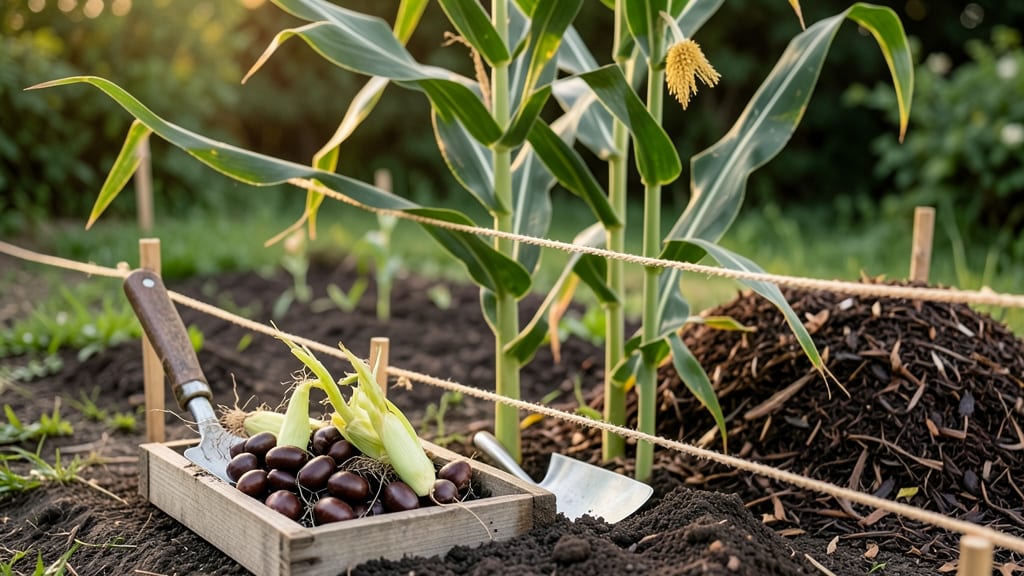
Planting corn in East Texas at the wrong time means watching your hard work wither under frost or struggle in scorching heat—so getting the timing right is your biggest advantage for a bountiful harvest.
The ideal window here isn’t just about dates; it’s about waiting for soil temperatures to climb past 60°F and those last frost warnings to fade away.
Most East Texas gardeners swear by mid-April to early May as the sweet spot, but even then, your local microclimate can shift things by a week or more.
That’s why checking soil warmth with a thermometer (not just the air temperature) is the game-changer that separates thriving 🌽 from struggling stalks.
What you’ll discover here is how to sync your planting with East Texas’s unpredictable weather—from adjusting for late frosts to beating summer droughts. We’ll also cover the best varieties for this heat zone and how to prep your soil for maximum germination.
Skip the guesswork and learn the exact steps to plant corn when it’s primed for success, not stress. Let’s get those seeds in the ground at the perfect moment.
Optimal planting dates for East Texas corn based on soil temperature
Corn thrives in East Texas heat, but timing your planting is critical. The last average frost date for most of East Texas is around March 15, but soil temperature matters more than calendar dates.
Corn seeds need soil temps of at least 60°F (15.5°C) to germinate properly—colder soil delays growth and increases disease risk.
In USDA Zone 8a, my experience shows that mid-April to early May is the sweet spot for most varieties. This window balances frost risk with soil warmth, giving corn a full 90-120 days to mature before summer heat peaks.
For example, sweet corn planted in late April typically reaches harvest by early July, while dent corn planted in early May matures by late August.
Here’s how I determine the perfect planting window for my East Texas garden:
| Stage | Action | East Texas Timeline |
|---|---|---|
| Soil Prep | Test soil temp and pH | Late March |
| Planting Window | Sow seeds 1-1.5" deep | Mid-April to early May |
| Germination | Requires 60°F+ soil | 7-14 days |
| Harvest Ready | Silks turn brown | Late July - October |
| Soil Temp Check | Use a soil thermometer | Daily until planting |
East Texas isn’t one uniform climate—microclimates matter. Areas near woodlands or water bodies (like Tyler or Beaumont) may stay cooler longer, delaying planting by 1-2 weeks. Meanwhile, urban heat islands (like Longview) can warm up faster, allowing earlier planting.
I always check the National Weather Service for my specific county’s 30-year frost averages to fine-tune my schedule.
A soil thermometer is my secret weapon. I test temps at 4-inch depth (where seeds will be planted) every morning. If temps dip below 55°F (13°C) at night, I wait. Corn seeds planted in cooler soil may rot or take 3+ weeks to sprout, giving weeds a competitive edge.
Pro tip: Plant in black plastic mulch to warm soil 5-10°F faster.
For late varieties (like 100-day dent corn), I sometimes make a second planting in early June. This gives a fall harvest before first frost (usually mid-November in East Texas). However, summer planting requires extra water and shade cloth to protect young plants from intense afternoon sun.
Remember: Corn is sensitive to temperature shifts. If you plant too early and a late frost hits (which happens 1 in 3 years in East Texas), young plants will die back. But if you wait too long, summer heat can cause ear rot or poor kernel fill.
The 45-day rule helps: Count back 45 days from your first expected frost date to determine your last possible planting window.
My go-to varieties for East Texas—Silver Queen and Peaches and Cream—both mature in 75-85 days, making them perfect for our 100-day growing season.
I’ve found that planting Silver Queen in late April ensures harvest by early July, just as summer heat ramps up but before corn earworm populations explode.
How to adjust corn planting time for East Texas weather patterns
East Texas weather can be as unpredictable as a summer storm—one day it’s 60°F and sunny, the next it’s 90°F with humidity that feels like a sauna. Corn thrives in warmth but wilts under late frosts or droughts, so flexibility is key.
The secret? Adjust planting dates based on real-time conditions rather than relying solely on averages.
Start by tracking your local last frost date, which in East Texas typically falls around March 15. However, late frosts can linger into April, especially in low-lying areas.
Use a soil thermometer to confirm when temperatures hit 60°F—corn seeds won’t germinate below this threshold. If your soil warms early, plant sooner; if it stays cold, wait.
For extra protection against late frosts, consider using row covers or black plastic mulch to warm the soil faster. These tools can shave off 1-2 weeks from your planting timeline, giving you a head start in unpredictable springs. Just remember to remove covers once plants emerge to avoid overheating.
⚠️ Watch for East Texas Weather Pitfalls
- Late Frost Risk: Even after April 15, 30% chance of frost in East Texas valleys.
- Summer Droughts: June-July heat can dry soil 2x faster than spring.
- Humidity Stress: Corn needs good airflow—overcrowding leads to fungal diseases.
Pro Tip: Plant succeeding crops every 2 weeks to stagger harvests and reduce weather risks.
If your spring is unusually wet, delay planting until the soil dries enough to work without clumping. Corn roots need well-aerated soil, and soggy conditions can lead to seed rot.
In contrast, if drought looms, prioritize drought-tolerant varieties like 'Silver Queen' and plant deeper—1.5 inches instead of 1—to access moisture.
For summer planting, aim for early June when temperatures stabilize. This second planting window works well for short-season varieties (60-70 days to maturity) and avoids the peak heat of July-August. Just be prepared to water daily and use shade cloth if temperatures exceed 95°F.
Finally, monitor your local extended forecast for tropical storms or heatwaves. Corn is resilient but struggles with sudden temperature swings. If a storm is predicted, consider delaying planting by 1-2 weeks to avoid waterlogged soil. Conversely, a heatwave might mean advancing your schedule to beat the worst of summer.
By staying flexible and adapting to East Texas’ unpredictable climate, you’ll maximize your corn’s potential—whether that means earlier harvests or longer growing seasons. Keep a garden journal to track what works best for your microclimate each year!