
Plants
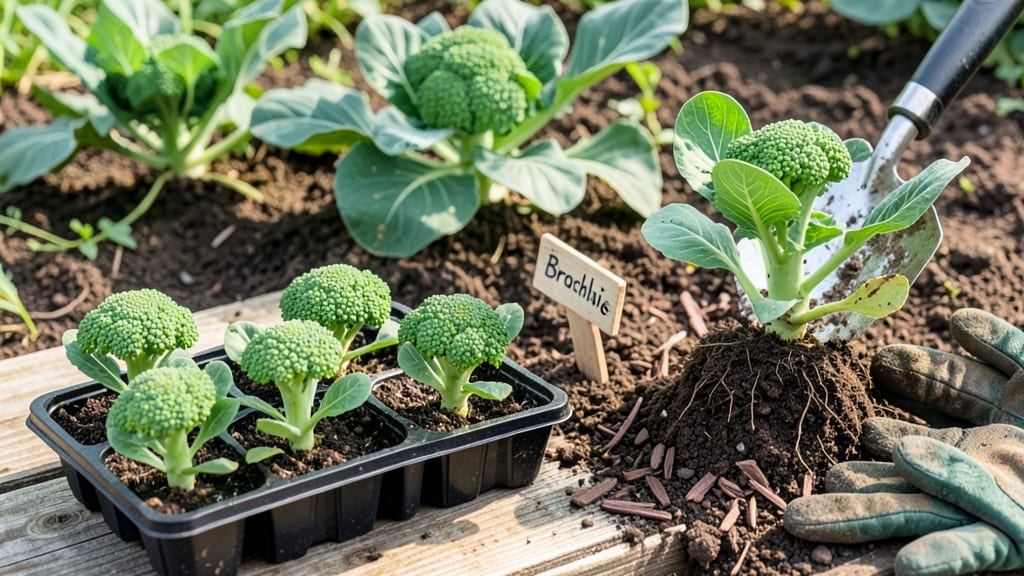
Planting broccoli in Colorado’s 5-7 zones might seem tricky with its unpredictable frost dates, but timing it right means the difference between a thriving garden and a sad, wilted disappointment. The key is understanding your local frost averages—whether you're in Denver, Colorado Springs, or Boulder—and working with those dates.
For most Colorado gardeners, the best window to plant broccoli is early spring, around March to April, or late summer, from August to early September.
These timing strategies help you avoid the late frosts that can ruin tender seedlings, while still giving your plants enough time to mature before the first frost hits in October.
If you're new to growing broccoli, you might wonder how to prepare your soil or protect your seedlings from those sudden cold snaps. I’ll walk you through the exact steps—from soil prep to frost protection—so you can confidently plant your 🥦 and enjoy a bountiful harvest.
Let’s dive into the details so you can grow broccoli like a pro, no matter where you are in the state.
Best broccoli planting windows in Colorado by season (zone 5B guide)
Colorado’s Zone 5B climate demands precise timing for broccoli success, with last frost dates varying from mid-April in Denver to late April in Colorado Springs. Plant too early, and seedlings risk frost damage; too late, and your harvest shrinks before winter arrives. Here’s how to nail your broccoli schedule.
Broccoli thrives in cool weather, making spring and fall your best bets. In Colorado, spring plantings (March–April) yield summer harvests, while fall plantings (August–September) produce autumn crops. Heat-tolerant varieties like ‘De Cicco’ or ‘Calabrese’ can stretch your growing season slightly.
For Denver’s Zone 5B-6a, aim to plant 4–6 weeks before last frost (early March indoors, late March outdoors). In Colorado Springs’ Zone 5b, shift planting 1–2 weeks later to avoid early frost. Always check your local Almanac frost dates—they’re your gardening GPS.
🌱
| Season | Planting Window | Harvest Window | Key Notes |
|---|---|---|---|
| Spring | March 1–April 15 (indoors: Feb 15–March 1) | May–June | Start seeds indoors 6–8 weeks before last frost. Use row covers for early starts. |
| Summer | June 15–July 15 (succession plant) | August–September | Risky in Colorado’s heat; opt for heat-tolerant varieties like ‘Waltham 29’. Provide afternoon shade. |
| Fall | August 1–September 15 | September–October | Best for Zone 5B; plant after soil warms. Use cold frames for extended harvests. |
Your soil temperature is the final green light for planting. Broccoli seeds need 40°F+ soil to germinate—wait for late March in Denver or early April in higher elevations like Fort Collins. A soil thermometer is your best friend here; don’t guess!
For fall plantings, aim to harvest before first frost (October 10–15 in most of Colorado). If your broccoli matures too late, try cold-hardy varieties like ‘Belstar’ or ‘Green Magic’, which tolerate light frosts. Just avoid planting after August 15—the days grow too short for reliable heads.
Pro tip: Succession plant every 2 weeks in spring and fall to stagger harvests. In Colorado’s short season, this means nonstop broccoli from May through October if you plan it right. Start with 3–4 plants to test your timing before scaling up.
🌿
Don’t overlook microclimates—southern Colorado (e.g., Pueblo) has earlier last frosts (March 20), while mountainous areas (e.g., Estes Park) may delay planting until late April. Adjust your schedule based on elevation: 1,000 feet lower = 1 week earlier for planting.
Finally, protect your seedlings with frost cloth or row covers if late frosts linger. I’ve lost entire broccoli batches to unexpected April freezes—don’t let that be you! Monitor the National Weather Service for your area and keep covers handy.
How to extend your broccoli growing season in Colorado’s short summers
Colorado’s short growing season and unpredictable weather make extending your broccoli harvest a game-changer. With just 90 frost-free days in most of Zone 5B, you’ll need smart strategies to maximize your yield. The key? Succession planting, cold-hardy varieties, and protective tools to shield tender seedlings.
Start by choosing heat-tolerant broccoli varieties like ‘Waltham 29’ or ‘Calabrese’—these handle Colorado’s hot July afternoons better than standard types. Pair them with succession planting schedules every 2–3 weeks from late May through July to stagger harvests.
This ensures you’re always picking fresh heads instead of facing a single overwhelming harvest that spoils before you can use it.
For fall plantings, aim to sow seeds by mid-August so they mature before the first frost (typically mid-October). Use black plastic mulch to warm the soil and floating row covers to shield young plants from chilly September nights.
This can push your harvest window into late October or early November, depending on your microclimate.
Don’t overlook container gardening for broccoli—pots on patios or balconies can be moved to sunny spots or sheltered from wind. Choose dwarf varieties like ‘Little Sprout’ for smaller spaces, and ensure containers have drainage holes to prevent root rot in Colorado’s unpredictable rain patterns.
Finally, monitor weather forecasts and adjust your schedule. If a heatwave over 90°F is predicted, broccoli will bolt (flower prematurely). Provide shade cloth during peak heat and increase watering to 1 inch per week to keep plants cool.
With these tactics, you’ll turn Colorado’s short summer into a long harvest season—no more sad, wilted broccoli left in the garden!
🌱