
Companion Plants
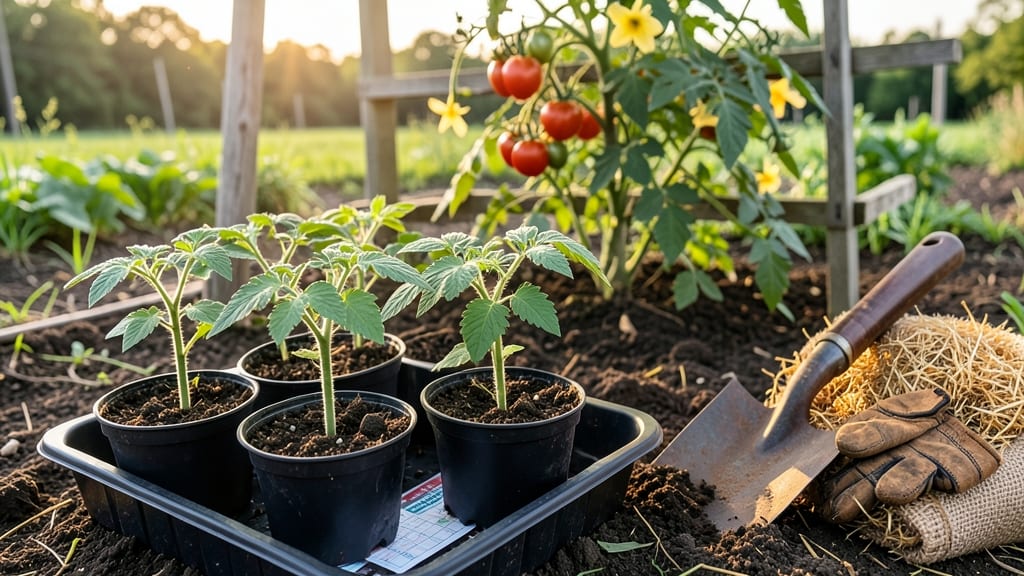
Timing is everything when it comes to growing juicy 🍅 tomatoes in Illinois—get it wrong, and you might end up with sad, stunted plants or worse, a total crop failure.
In zones 5B/6A, where frost can still linger into May, planting too early means risking frost damage, while waiting too late cuts your harvest short. The key is understanding your local frost dates and soil temperatures to give your plants the best possible start.
Most Illinois gardeners know the general rule: wait until after the last frost date, typically around April 15, but that’s just the beginning.
What you might not realize is that soil temperature plays a bigger role than you think—your 🍅 tomatoes won’t thrive until the ground warms to at least 60°F. If you’re starting seeds indoors, you’ll need to time your transplants carefully to avoid shocking young plants with cold soil.
Don’t let common mistakes like rushing seedlings outdoors or ignoring nighttime temperatures throw off your entire season. I’ll walk you through the exact planting windows, the best varieties for Illinois’ climate, and how to extend your harvest with simple tricks like row covers.
Whether you’re a first-time gardener or a seasoned pro, these insights will help you maximize your 🍅 tomato yield from July through October.
The difference between a handful of tomatoes and a garden overflowing with them often comes down to when you put those seeds in the ground. Let’s make sure you’re planting at the perfect moment—so you can enjoy homegrown tomatoes all season long.
Illinois frost dates for tomatoes: zone 5B/6A planting timeline
Timing your tomato planting in Illinois is all about beating the last frost while giving your plants enough warmth to thrive.
In Zone 5B/6A, the average last spring frost falls between April 15 and May 1, but this can vary by 1-2 weeks depending on your specific location—northern Illinois tends to be cooler than southern regions.
The key is planting after the soil temperature reaches a steady 60°F and nighttime temps stay above 50°F.
For direct-sown seeds, aim to plant 2-3 weeks after your last frost date, when soil is warm enough to prevent seed rot. If you're starting seedlings indoors, transplant them outdoors 10-14 days after the last frost—this 10-day rule ensures your young plants can handle any late frosts without damage.
Use row covers or black plastic mulch to warm the soil faster if needed.
Here’s the critical timeline you need to follow for a successful harvest in Illinois:
| Stage | Action | Illinois Timeline |
|---|---|---|
| Indoor Seed Start | Sow seeds 6-8 weeks before last frost | February 20 - March 15 |
| Hardening Off | Acclimate seedlings to outdoor temps | April 1 - April 15 |
| Transplant Outdoors | After last frost, soil ≥60°F | April 20 - May 10 |
| Direct Sow Seeds | Plant 1/4" deep, 2-3 weeks after last frost | May 1 - May 15 |
| First Harvest | 60-85 days after transplant | July 1 - August 15 |
| First Frost Risk | Protect plants if temps drop below 32°F | October 15 - November 1 |
Missed the spring window? Don’t panic! Illinois gardeners can still grow tomatoes in late summer for a fall harvest. Plant heat-tolerant varieties like 'Solar Fire' or 'Heatmaster' in July (6-8 weeks before the first frost) to extend your season.
Just be prepared to use row covers or greenhouses to shield plants from early cold snaps.
One common mistake is planting too early, when soil is still cold. Tomatoes won’t germinate below 55°F, and seedlings can develop damping off in chilly, wet conditions. Always check soil temperature with a soil thermometer—it’s the most reliable way to avoid delays.
If your soil heats up slowly, try using black plastic mulch or straw to warm it faster.
Pro tip: Use a frost calendar from your local Cooperative Extension Service (like the University of Illinois Extension) for hyper-local advice. These resources adjust for microclimates, like urban heat islands or windy areas, which can shift frost dates by 1-2 weeks.
For example, Chicago’s last frost is often 2-3 days later than rural areas 50 miles south.
Finally, keep an eye on the 10-day forecast before transplanting. If a late frost is predicted, delay planting by a week or use frost cloth to protect your seedlings.
The last thing you want is to lose your hard work to a 32°F night—especially when tomatoes are so close to producing fruit!
With these frost-date rules and soil temperature guidelines, you’ll be well on your way to a bountiful tomato harvest in Illinois—just in time for summer salads, sauces, and salsa!
Best tomato varieties for Illinois and their ideal planting windows
Choosing the right tomato variety for Illinois is half the battle—some thrive in our short but hot summers, while others struggle with sudden temperature swings. In Zone 5B/6A, heat-tolerant varieties like 'Celebrity' or early-maturing options like 'Early Girl' give you the best shot at a long harvest.
I’ve tested these varieties over the years, and the difference in yield and flavor is night and day when you pick the right one for your timeline.
For gardeners in northern Illinois (closer to Zone 5B), early varieties with 50-60 day maturity are your best bet—they’ll beat the first frost in October.
Southern Illinois (near Zone 6A) can handle slightly later varieties, like 'Brandywine', which takes up to 90 days but rewards you with incredible flavor if you plant early enough. The key is matching the variety to your last frost date and expected harvest window.
Here’s how I recommend pairing varieties with planting windows to maximize your tomato harvest from July through October:
| Variety | Days to Maturity | Ideal Planting Window | Best For | Notes |
|---|---|---|---|---|
| Early Girl | 55-60 days | April 20 - May 10 | Early harvests, Zone 5B | Heat-tolerant; great for quick yields |
| Celebrity | 65-70 days | April 25 - May 15 | Reliable production, all zones | Resistant to cracking; disease-resistant |
| Brandywine | 80-90 days | May 1 - May 10 (Zone 6A only) | Flavor, Zone 6A | Heirloom; needs longer season |
| Solar Fire | 70-75 days | April 30 - May 15 | Heat tolerance, all zones | Disease-resistant; great for containers |
| Roma | 75-80 days | May 1 - May 10 | Sauces, Zone 6A | Determinate; compact growth |
If you’re in Zone 5B, avoid planting Brandywine or other late-maturing varieties—they won’t ripen before frost hits. Instead, opt for 'Early Girl' or 'Solar Fire', which mature quickly and handle heat better.
For Zone 6A, you’ve got more flexibility, but even there, planting Brandywine after May 10 risks cutting your harvest short.
Pro tip: Check the seed packet for "days to maturity" and count backward from your expected first frost date (usually October 15). This gives you your latest safe planting window.
For example, if a variety takes 70 days to mature, you’ve got until July 15 to harvest—so plant by May 15 to stay on schedule.
Don’t forget to account for transplant shock if you’re starting seeds indoors. Seedlings need 6-8 weeks of indoor growth before they’re ready to go outside, so adjust your indoor start date accordingly.
My rule of thumb? Start seeds by March 1 for early varieties to ensure they’re hardened off and ready by late April.
With the right variety and timing, you’ll enjoy tomatoes from July through October—no more empty vines or wasted effort. Next, I’ll show you how to stretch that harvest even longer with simple tricks like row covers and succession planting. 🌱