
Planting
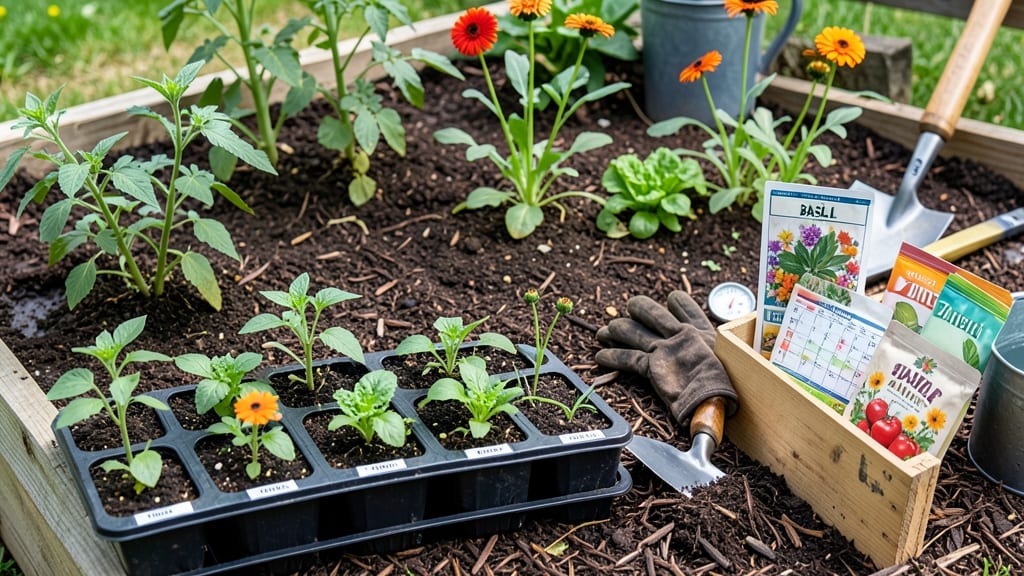
Timing when to plant a garden in Kentucky isn’t just about throwing seeds in the dirt—it’s the difference between a thriving harvest and a sad, wilted disappointment. With USDA Zone 6a’s unpredictable frost dates, getting the schedule wrong could mean stunted plants or wasted effort.
I’ve spent years perfecting my planting calendar, and what I’ve learned will save you from common mistakes. From cool-season crops like lettuce to heat-loving tomatoes, knowing when to plant ensures you avoid frost damage and maximize your garden’s potential.
Whether you’re a first-time gardener or a seasoned pro, this guide breaks down the exact windows for spring and fall planting. We’ll cover how to adjust for Kentucky’s microclimates—whether you’re in Louisville’s urban heat or the cooler hills of eastern Kentucky.
Ready to grow a garden that actually thrives? Let’s dive into the perfect planting schedule tailored just for your Kentucky yard.
Kentucky frost dates by zone 5B/6A: last spring & first fall freeze timing
Kentucky’s USDA Zones 5B/6A create a delicate balance for gardeners—too early, and frost zaps tender seedlings; too late, and summer heat stresses plants before harvest.
The last spring frost typically arrives between March 15 and April 15, while the first fall frost hits October 1–15, depending on elevation and microclimates. Northern Kentucky (Zone 5B) has shorter frost-free seasons (140–150 days), while southern Kentucky (Zone 6A) enjoys 160–170 days of warmth.
Understanding these dates is your garden’s lifeline. Cool-season crops like lettuce and peas thrive when planted 4–6 weeks before the last frost, while warm-season favorites (tomatoes, peppers) need soil temps above 55°F—usually 2–3 weeks after frost risk passes.
Microclimates (like urban heat islands or valley lows) can shift these dates by 1–2 weeks, so always verify with local data.
🌱 PRO TIP: Use row covers to extend your spring planting window by 2–3 weeks—just remove them when plants flower to prevent heat stress.
| Zone & Location | Last Spring Frost | First Fall Frost | Frost-Free Days | Planting Adjustments |
|---|---|---|---|---|
| Zone 5B (Northern KY: Paducah, Owensboro) | April 1–15 | October 5–15 | 140–150 days | Plant warm crops after May 1; use black plastic mulch to warm soil. |
| Zone 6A (Central/Southern KY: Louisville, Lexington) | March 20–April 5 | October 15–30 | 160–170 days | Start peppers indoors by March 1; extend fall with cold frames. |
| Urban Heat Islands (e.g., Downtown Louisville) | March 25–April 10 | October 20–November 5 | 170–180 days | Plant heat-lovers (okra, sweet potatoes) 1 week earlier. |
| Valleys (e.g., Red River Gorge) | April 10–25 | September 25–October 10 | 130–140 days | Avoid early planting; wait for soil to warm above 60°F. |
For Zone 5B gardeners, focus on fast-maturing varieties (e.g., bush beans, radishes) to squeeze in harvests before fall. In Zone 6A, you can afford longer-season crops like tomatoes and peppers, but still prioritize late summer plantings (August–September) for fall harvests.
Pro tip: Succession plant every 2 weeks to stagger harvests and avoid glut.
Ever wondered why your neighbor’s tomatoes thrive while yours struggle? It’s likely their micro
Best planting schedule for Kentucky’s top 10 vegetables (zone 5B/6A)
Kentucky’s 165 frost-free days create a perfect window for growing everything from cool-season greens to heat-loving tomatoes. But timing is everything—plant too early, and frost zaps your seedlings; too late, and summer’s sweltering heat stresses tender crops.
Here’s my month-by-month schedule for Kentucky’s most beloved vegetables, tailored to Zone 5B/6A.
For cool-season crops like lettuce and peas, I start seeds indoors 4-6 weeks before the last frost (typically March 15 in northern Kentucky, March 22 in southern areas).
Warm-season crops like tomatoes and peppers wait until 2-3 weeks after the last frost—usually April 22—to avoid transplant shock from lingering cold snaps.
🌱 Pro Tip: Use row covers to extend your growing season by 2-3 weeks in spring or fall. These lightweight fabrics protect seedlings from late frosts while allowing sunlight and water through.
- Early Spring (March 15 - April 15)
⏰ When: Direct-sow 3-4 weeks before last frost (March 15-22)
💡 Tip: Use straw mulch to keep soil warm for slow-starting crops like carrots.
- Late Spring (April 15 - May 15)
🌱 Direct-Sow: Beans, corn, squash, zucchini (after last frost)
⚠️ Warning: Avoid planting heat-sensitive crops like basil until soil temps hit 60°F+.
- Summer (June - July)
💧 Watering: Daily during heatwaves; mulch to retain moisture
🌱 Shade Crops: Plant bush beans or malabar spinach under taller plants to avoid bolting.
- Early Fall (August 1 - September 15)
🌱 Direct-Sow: Radishes, lettuce, turnips (6 weeks before first frost)
💡 Tip: Fertilize lightly in August to boost fall growth without late-season legginess.
- Late Fall (September 15 - October 15)
🍅 Last-Minute: Plant cold-hardy tomatoes (like 'Siberian') or peppers in containers for greenhouse overwintering
🛡️ Protection: Use row covers to extend harvests by 2-4 weeks.
My top 3 time-saving tricks for Kentucky gardeners: First, succession plant fast-growing crops like radishes or lettuce every 2 weeks to avoid gluts. Second, interplant slow starters (like carrots) with quick harvesters (like radishes) to maximize space.
Finally, harvest in the morning—cool temps preserve flavor and crispness in greens like lettuce and spinach.
🌿 Remember: Kentucky’s microclimates matter! If you’re in a valley, expect 3-5°F colder nights than hilltops. Adjust your planting dates accordingly, and always keep a frost cloth handy for late surprises.