
Plants
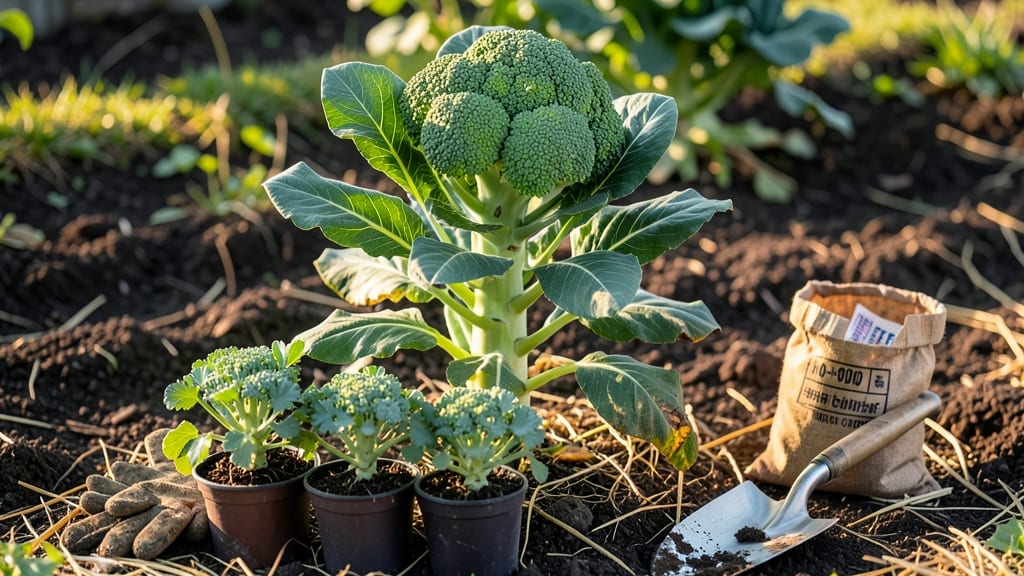
Planting broccoli 🥦 in Kansas at the wrong time means watching your hard work wilt under frost or bolt in the heat—both are avoidable mistakes with the right timing.
The key to success in Zone 6A isn't just following a calendar; it's understanding how your local frost dates and soil temperatures interact with this cool-weather crop.
I've learned the hard way that Kansas' unpredictable spring transitions can turn a thriving broccoli patch into a sad, stunted mess if you're not careful. Whether you're a seasoned gardener or just starting, knowing when to plant—both in spring and fall—can mean the difference between a bumper crop and disappointment.
In this guide, I'll break down exactly when to plant broccoli in Kansas, including how to adjust for your specific microclimate and avoid common pitfalls. You'll discover the optimal planting windows, soil preparation tips, and even how to extend your growing season for maximum yields.
Let's get your broccoli off to the best possible start—because with the right timing, you could be harvesting those delicious heads in just 60 days or less!
Kansas broccoli planting calendar: exact dates by frost zone 6A
Kansas' Zone 6A climate creates a tight window for growing broccoli successfully. The key is planting 4-6 weeks before your last frost date (typically March 15-April 15) for spring crops, and 90-120 days before first frost (around August 1-September 1) for fall harvests.
Missing these windows means either frost damage or heat stress.
Your exact frost dates vary by city. In Kansas City, the last frost averages April 10-15, while Wichita and Topeka tend to warm up 1-2 weeks later.
Microclimates near hills or bodies of water can shift these dates by 5-10 days—always check local records or use a frost calculator for precision.
Here's your Kansas broccoli planting timeline broken down by region and season, with critical deadlines to maximize your harvest:
| Season | Kansas City | Wichita/Topeka | Critical Action |
|---|---|---|---|
| Spring | March 15-April 1 | March 22-April 8 | Start seeds indoors or direct sow |
| Spring | April 15 (last frost) | April 22 (last frost) | Transplant hardened-off seedlings |
| Fall | August 1-15 | July 25-August 8 | Direct sow for fall harvest |
| Fall | September 15 (90 days before frost) | August 25 (90 days before frost) | Last chance for fall planting |
For direct sowing in Kansas, aim for soil temperatures above 45°F (7°C). Use a soil thermometer to confirm—broccoli seeds won't germinate well in cooler soils. If your spring arrives late, consider starter plants from nurseries for a head start.
Pro tip: Succession planting every 2 weeks in spring and 3 weeks in fall gives you a continuous harvest. In Kansas' short season, this means 3-4 plantings per year can yield 10-12 heads per 10-foot row.
Watch for unpredictable late frosts—Kansas' spring can swing wildly. Use row covers or cold frames to protect young plants if nighttime temps dip below 28°F (-2°C). Even hardened plants may suffer damage below 25°F (-4°C).
Fall plantings benefit from Kansas' cooler nights in September-October. Choose compact varieties like 'De Cicco' (58 days to maturity) to finish before frost. Mulch with straw or leaves to insulate roots and extend the season by 2-3 weeks.
Remember: Broccoli thrives in cool weather—temperatures above 80°F (27°C) cause bolting (flowering too early). If summer heat arrives early, shift to shade-tolerant varieties or use shade cloth (30-50%) to protect plants.
🌱
How to extend broccoli season in Kansas: cooling tricks for late plantings
Kansas' unpredictable spring transitions can leave your broccoli transplants struggling between frost and heat. The key to success? Extending the growing season with smart cooling strategies.
I’ve tested these methods in my own Zone 6A garden, and they’ve helped me push harvests later into fall—even when temperatures flirt with 90°F.
First, focus on shade cloth and mulching. A 30-50% shade cloth can reduce soil temperatures by 10-15°F, while straw mulch keeps roots cool and moist. Both tricks buy you critical 2-3 extra weeks of optimal growing conditions before summer’s full force arrives.
Here’s how I do it: Install shade cloth 3-4 weeks before your last expected frost date. Secure it 3-4 feet above the plants to allow airflow while blocking harsh rays.
For mulching, apply a 3-inch layer of straw around the base of plants—just avoid piling it against stems to prevent rot.
- Shade Cloth (30-50%): Reduces heat stress; install 3-4 weeks pre-frost.
- Mulch with Straw: Keeps roots 10-15°F cooler; reapply after rain.
- Succession Planting: Sow new seeds every 2 weeks from March to August.
- Drip Irrigation: Water early morning to prevent leaf burn and fungal growth.
- Row Covers: Use lightweight fabric for extra frost protection in spring.
Don’t overlook succession planting. Instead of one big spring planting, sow new seeds every 2 weeks from March through August. This staggered approach ensures a steady supply of young, heat-sensitive plants that mature before summer’s peak.
I’ve had great luck with 'De Cicco' and 'Waltham 29' varieties—they bolt less easily when kept cool.
For late-season protection, floating row covers are a game-changer. They trap heat during the day but allow it to escape at night, preventing frost damage. Use them until heads form, then remove to avoid overheating.
Pair this with drip irrigation—watering in the early morning keeps foliage dry and reduces fungal risks like downy mildew.
Finally, monitor your soil temperature with a thermometer. Broccoli thrives when soil stays between 50-75°F. If it climbs above 80°F, your plants will bolt prematurely.
Adjust shade and watering immediately to cool things down. With these tricks, I’ve pushed my harvests into late October—just in time for Kansas’ first frost!