
Plants
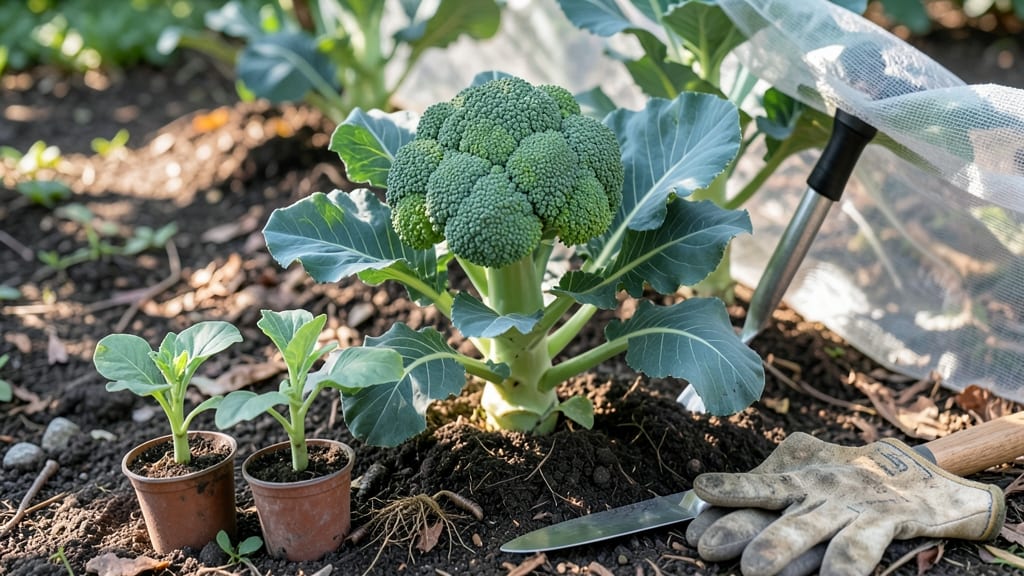
Timing your 🥦 broccoli planting in Minnesota isn’t just about the calendar—it’s about catching that narrow window when soil temperatures hit just right for fast germination. Skip the guesswork, and you could end up with bolting plants or stunted heads before frost hits.
The key? Planting when soil reaches 40-50°F—a threshold that separates successful harvests from wasted effort.
Whether you’re a first-time gardener or a seasoned green thumb, Minnesota’s USDA zones 4a-5b add another layer of complexity. Too early, and frost will nip your seedlings; too late, and summer heat will send your broccoli running to flower before you even see a head.
I’ll break down the exact soil temp triggers and planting windows so you can align your schedule with Mother Nature’s rhythm.
Spring or fall? That’s the million-dollar question for Minnesota growers. While spring plantings promise a summer harvest, fall crops often deliver sweeter flavors and avoid the heat stress that plagues early-season broccoli.
I’ll compare both strategies, including how to stretch your growing season with simple hacks that work even in unpredictable years.
Ready to turn your backyard into a 🥦 powerhouse? Let’s dive into the science-backed timing that’ll give you the fastest, most reliable broccoli harvests—no matter what Minnesota throws your way this year.
Minnesota broccoli planting dates by soil temperature zones
Minnesota’s USDA zones 3-5 create unique challenges for broccoli growers, where soil temperature and frost dates dictate success. Unlike warmer climates, our short season demands precise timing—plant too early, and frost kills seedlings; too late, and summer heat causes bolting.
The key is aligning your planting with 40-50°F soil temperatures, which trigger germination without risking frost damage.
For most of Minnesota, the last frost date falls between late April and early June, depending on your location. Northern regions (Zone 3) face earlier frosts, while southern areas (Zone 5) gain extra weeks.
To maximize yields, I recommend planting in two waves: spring (mid-April to early May) and fall (late July to early August). This dual approach ensures fresh broccoli from July through November.
Here’s the critical data you need to plan your broccoli planting schedule by Minnesota’s zones and soil conditions:
Pro tip: Use a soil thermometer to confirm temperatures before planting. If your soil runs cooler than 40°F, wait 1-2 weeks or use black plastic mulch to warm it faster.
For northern Minnesota (Zone 3), consider starting seeds indoors 4-6 weeks before your target outdoor date to extend your season.
In Zone 4 and 5 areas, where summers can hit 90°F+, late spring plantings (after May 15) risk bolting. To mitigate this, opt for fast-maturing varieties like ‘Waltham 29’ (58 days) or ‘Calabrese’ (65 days), which can tolerate slightly warmer soil before bolting.
For fall plantings, the goal is to harvest before first frost (mid-October). Seed packets often recommend planting 90-100 days before frost, but in Minnesota, I adjust this to 80-90 days for fall crops.
This accounts for our shorter daylight hours in autumn, which slow growth. For example, if your first frost is October 15, aim to plant by July 20.
One mistake I see often is planting broccoli too close to the last frost date. Even if soil is warm, a late frost can devastate seedlings. To play it safe, I recommend planting 4-6 weeks before your average last frost—this gives plants a head start and reduces frost risk.
For example, in Zone 4 (where last frost is May 10), I plant by April 1.
Minnesota’s variable weather means you’ll need flexibility. If a late frost hits in May, protect seedlings with frost cloth or row covers. Conversely, if summer arrives early (as it often does), shift your focus to fall planting to avoid heat stress.
The University of Minnesota Extension offers a frost date calculator tailored to your ZIP code—use it to fine-tune your schedule!
Finally, don’t overlook microclimates. South-facing slopes warm up faster than low-lying areas, while urban heat islands can extend your growing season by 1-2 weeks. If you’re near a building or pavement, you might push your planting window 10 days later than rural areas.
Spring vs. fall broccoli planting: which works best in Minnesota?
Deciding between spring and fall broccoli planting in Minnesota isn’t just about timing—it’s about avoiding the pitfalls of our unpredictable climate. Spring planting gives you an earlier harvest but risks bolting if warm weather arrives too soon.
Fall planting extends your season but demands precise calculations to beat the first frost. Let’s break down the pros and cons so you can choose the strategy that works best for your garden.
In Minnesota’s USDA zones 4a-5b, spring planting typically occurs between mid-April and early June, while fall planting happens from late July to early August. Each approach has distinct advantages, depending on your local microclimate and variety preferences.
For example, Calabrese broccoli thrives in cooler spring conditions, while De Cicco varieties handle summer heat better for fall harvests.
Spring-planted broccoli often yields larger heads but faces higher risks of bolting (premature flowering) if temperatures climb above 75°F before harvest. On the other hand, fall-planted broccoli avoids summer heat stress but must mature quickly before frost.
The key is selecting the right variety and planting at the optimal window to maximize success.
Spring Planting
- Earlier harvest (July-August)
- Larger heads with proper care
- Lower risk of pests in early season
- Higher bolting risk if warm early
- Limited time to recover from frost
- Soil may still be cold for germination
- Cool-season varieties
- Gardeners with short seasons
- Early harvest priorities
- Calabrese
- Waltham 29
- Green Magic
Fall Planting
- Avoids summer heat stress
- Extended harvest into October
- Fewer pests in late season
- Rush to maturity before frost
- Smaller heads if planted too late
- Requires precise timing
- Heat-tolerant varieties
- Gardeners with longer seasons
- Late-season harvest goals
- De Cicco
- Purple Sprouting
- Belstar
For Minnesota gardeners, I recommend trying both strategies to see what works best in your specific microclimate. Start with spring planting for a reliable early harvest, then experiment with fall planting to extend your season.
Remember, success hinges on selecting the right variety and planting at the optimal window—typically 4-6 weeks before the last frost for spring and 90-100 days before the first frost for fall.
Pro tip: Use row covers or cold frames to protect early spring plants from late frosts, and opt for shade cloth in summer to prevent bolting. These simple adjustments can make all the difference in Minnesota’s variable climate.
Whether you choose spring or fall planting, timing is everything. By understanding the trade-offs and selecting the right varieties, you’ll maximize your broccoli harvest and enjoy fresh, homegrown vegetables well into the season.