
Plants
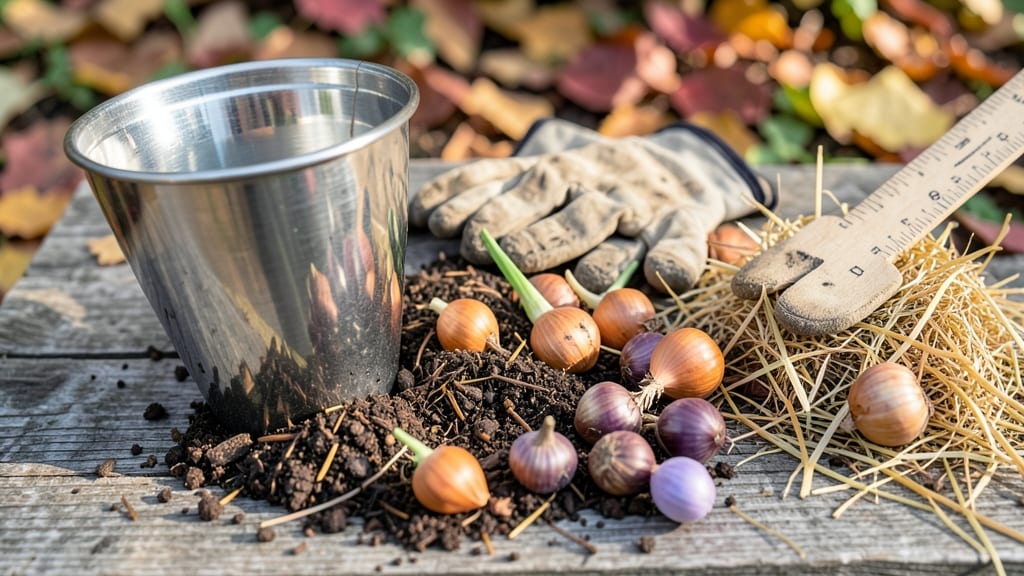
Planting bulbs at the wrong time in New Jersey can turn your spring garden dreams into a wasted investment—but timing isn’t just about months, it’s about soil temperatures and frost dates that vary across zones 6a-7b.
Whether you’re dreaming of tulips or daffodils, getting this right means the difference between a showstopping display and empty holes in your yard.
Fall planting is the gold standard for most bulbs, but NJ’s unpredictable climate throws a wrench in the plan.
I’ll break down the exact window—October through November—when to dig in for zero-frost success, plus how to adjust for late frosts that can sneak up even in Zone 7b. Spoiler: It’s not just about the calendar.
Spring planting isn’t just for late bloomers—it’s a lifesaver if you missed fall or want to add crocus or snowdrops for early color. We’ll cover the March-April timeline, soil prep tricks to beat NJ’s heavy clay, and why some bulbs actually prefer a spring start. No more guessing games.
From deer-proofing your bulbs to avoiding the classic NJ mistake of planting too shallow, this guide gives you the no-fail checklist. Let’s turn your garden into a blooming masterpiece—season after season.
Optimal fall planting dates for NJ bulbs (with frost zone adjustments)
New Jersey’s USDA zones 6b-7a create a tricky balance for bulb planting—too early, and bulbs rot in warm soil; too late, and they don’t establish roots before frost.
The 6-8 week rule before ground freeze is your golden window, but NJ’s November 15 average first frost means timing varies by county.
For spring-flowering bulbs like tulips and daffodils, aim to plant between mid-October and mid-November. Southern NJ (zones 7a-7b) can push to early December, while northern areas (6b) should finish by late October. Soil temps should be below 60°F but not frozen—use a soil thermometer to confirm.
Pro tip: Check your local last frost date (typically April 15 in NJ) and work backward. For example, if your last frost is April 10, plant 6 weeks prior—by March 15 for spring blooms. This ensures roots establish before winter dormancy.
Here’s how NJ’s microclimates affect timing:
- Coastal areas (e.g., Cape May): Warmer soils delay planting until late October
- Inland (e.g., Trenton, Newark): Plant by mid-November for safety
- Northern NJ (e.g., Sussex County): Finish by October 15 to avoid early freezes
| Bulb Type | Optimal Planting Window (NJ) | Depth | Soil Temp Threshold | Notes |
|---|---|---|---|---|
| Tulips | Mid-October to mid-November | 6-8 inches | Below 60°F | Plant pointy end up; deer-resistant varieties like Darwin hybrids. |
| Daffodils | Late October to early December | 6-8 inches | Below 55°F | Deer-proof; blooms earlier than tulips. |
| Hyacinths | Mid-October to November 1 | 6 inches | Below 50°F | Fragrant; plant in well-drained spots. |
| Alliums | October to November 15 | 8 inches | Below 60°F | Drought-tolerant; late-season blooms. |
For fall-planted bulbs, focus on well-draining soil—NJ’s clay-heavy areas need amendments like compost or sand to prevent rot. Test soil pH (aim for 6.0-7.0); acidic soil can stunt growth. Add a 2-inch layer of mulch after planting to insulate roots during winter.
One NJ-specific hack: If you miss fall planting, spring alternatives exist for hardy bulbs like crocus or snowdrops. Plant these by March 15 for late-winter blooms. Just avoid summer-flowering bulbs (e.g., dahlias) in spring—they need warm soil to thrive.
Watch for unpredictable NJ weather: A warm November can trick bulbs into sprouting early, only to be nipped by a sudden frost. If this happens, cover plants with straw mulch (3-4 inches) to protect tender shoots until temperatures stabilize.
Remember: Bulbs need cold dormancy to bloom. If NJ’s winters are too mild (like in zone 7b), consider chilling bulbs in the fridge for 8-12 weeks before planting to mimic natural conditions.
For container gardening, use well-draining pots with fast-draining mix (60% potting soil, 30% perlite, 10% compost). Plant 2-3 bulbs per 6-inch pot and overwinter containers in a garage or unheated shed until spring.
Spring planting for late bloomers: best bulbs and NJ-specific tips
New Jersey’s unpredictable spring weather can make planting bulbs feel like a gamble—but some varieties actually thrive when planted in spring. Crocus, snowdrops, and summer-flowering dahlias are perfect for late bloomers, while fall-planted bulbs like tulips need extra care in NJ’s clay-heavy soils. Let’s break down the best options and how to adjust for your garden’s unique conditions. Spring planting works best for hardy bulbs that can tolerate cooler soil temperatures. Crocus and snowdrops are top choices—they naturalize easily and bloom early, often pushing through late-season snow. For summer color, try dahlias or gladiolas, which need warmer soil but reward you with bold blooms from July through frost. Just remember: soil temperature matters more than calendar dates in NJ.The key to spring bulb success in NJ is soil prep. Test your soil’s pH (aim for 6.0–7.0) and amend with compost or aged manure to improve drainage, especially in clay-heavy areas. Avoid working wet soil—NJ’s spring rains can turn gardens into mud.
Instead, wait for a dry, sunny day to dig and loosen soil to a depth of 12 inches, mixing in a bulb-specific fertilizer for an extra nutrient boost.
🌱 Pro Tip: If you’re planting summer bulbs like dahlias, wait until after the last frost (mid-April in most of NJ) but before Memorial Day to avoid heat stress.
These bulbs need time to establish roots before the July heatwave hits. For early spring bloomers, plant crocus and snowdrops in March—they’ll pop up even in chilly soil.
✅ Spring-Planted Bulbs: Pros & Cons
🌷 Pros
- Early blooms: Crocus/snowdrops push through snow
- No frost risk: Avoids fall planting’s timing stress
- Summer color: Dahlias/gladiolas thrive in heat
- Deer-resistant: Many spring bulbs deer avoid
⚠️ Cons
- Limited variety: Fewer options than fall planting
- Soil warmth needed: Dahlias struggle in cold soil
- Shorter growing season: Less time for root establishment
- Watering critical: Spring rains can rot bulbs
NJ-Specific Fix: Mulch with straw or shredded leaves after planting to retain moisture and regulate soil temp.
Watering is where most NJ gardeners trip up. Spring-planted bulbs need consistent moisture but hate soggy soil. Water deeply once a week (or more in drought-prone areas like southern NJ), focusing on the root zone.
Use a soaker hose to avoid wetting foliage, which can invite fungal diseases like botrytis. For container-grown bulbs, check soil moisture daily—pots dry out 3x faster than in-ground beds.
Don’t forget about deer and rodents, NJ’s notorious bulb bandits.
If you’re planting spring crocus or snowdrops, their early blooms might escape notice, but dahlias and alliums are prime deer snacks. Plant near deer-resistant perennials like lamb’s ear or Russian sage, or use physical barriers like chicken wire cages until bulbs establish roots.
A light dusting of diatomaceous earth around planting holes also deters digging critters.
For maximum impact, combine spring-planted bulbs with perennials that bloom later, like peony or daylily. This creates a season-long display without gaps. And if you’re feeling ambitious, try interplanting spring bulbs with fall-planted varieties—just give them 6+ inches of space to avoid crowding.
With these NJ-specific tweaks, your spring-planted bulbs will outperform expectations and give you bold, reliable blooms year after year.