
Plants
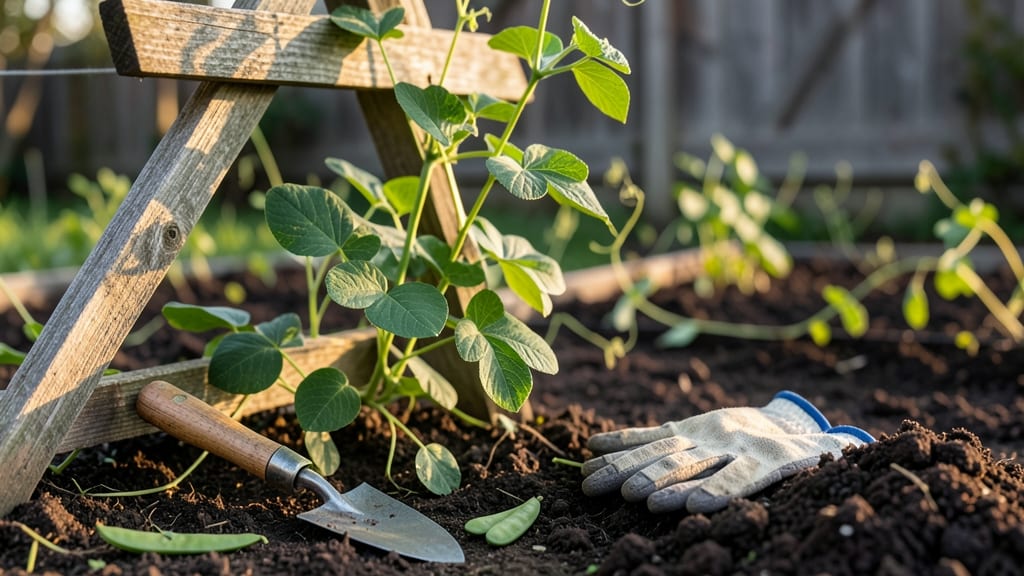
Planting Dixie Lee Peas 🌱 at the wrong time in North Carolina can mean the difference between a bountiful harvest and wasted effort. These tender peas thrive in cool weather but bolt quickly when temperatures climb—so knowing the perfect window is key to success.
Most gardeners in NC’s 7a-8b zones get confused about whether to plant in early spring or fall. The truth? Both seasons work, but timing matters.
A spring planting between March 15 and April 30 gives you sweet peas by June, while a fall crop sown from August 15 to September 15 extends harvests into November.
I’ve learned the hard way that planting too early risks frost damage, while waiting too long means heat stress. Let me show you the exact dates and soil temperature tricks that work for NC’s Piedmont, Coastal Plain, and mountain regions—so you can grow more peas with less guesswork.
Ready to avoid common mistakes and maximize your Dixie Lee Peas harvest? The secret starts with the right planting schedule—and I’ll break it all down for you.
Best planting times for dixie lee peas in NC: spring vs fall windows
North Carolina’s USDA Zones 7a-8b offer two prime windows for planting Dixie Lee Peas: early spring and late summer. The key is planting when soil temperatures stay between 40°F and 75°F—any hotter, and your peas will bolt (flower prematurely) before producing pods.
I’ve found that March 15 to April 30 for spring and August 15 to September 15 for fall give the most consistent results across the state.
Timing varies slightly by region. In the Coastal Plain, where winters are milder, you can start seeds as early as February 20 under row covers.
Meanwhile, in the Mountains, wait until April 15 to avoid late frosts. The Piedmont falls in between, with March 25 as a safe starting point.
Here’s the critical rule: Never plant Dixie Lee Peas when nighttime temperatures exceed 70°F. In NC’s heat, peas go from tender to bitter in days. That’s why fall plantings after Labor Day often outperform late spring attempts—cooler nights in September and October keep them happy until frost.
🌱
| Season | Planting Window | Soil Temp | Frost Risk | Harvest Time |
|---|---|---|---|---|
| Spring | March 15–April 30 | 40°F–65°F | Low (after last frost) | June–July |
| Fall | August 15–September 15 | 50°F–70°F | Moderate (first frost Nov 15) | October–November |
*Regional adjustments: Coastal Plain can plant 2 weeks earlier; Mountains delay by 1–2 weeks.
For spring plantings, aim to have peas established before April 15—this gives them 60–70 days to mature before summer heat sets in. I’ve seen gardeners in Raleigh push it to early May with success, but only if they use shade cloth during peak afternoon heat.
In Asheville, stick to April to avoid the region’s sudden summer temperature spikes.
Fall plantings are my favorite because they avoid the June–August heat entirely. Sow seeds by September 1 for a late harvest, but don’t wait past September 15—peas need 55–70 days to mature, and frost typically hits by mid-November.
In Wilmington, you can sometimes squeeze in a third planting in early October for a bonus crop.
Pro tip: Use a soil thermometer to confirm temps before planting. Dixie Lee Peas won’t germinate well below 40°F, and soil that’s too warm (>75°F) will cause them to bolt. I keep one buried in my garden bed—it’s saved me from wasted seed packets more than once!
🌿
One mistake I see often is planting directly into cold soil in early spring. Instead, start seeds indoors 4–6 weeks before your target outdoor date, then transplant seedlings when soil warms to 50°F.
This gives you a head start and avoids the shock of sudden temperature changes. For fall, direct-sow is fine, but use black plastic mulch to warm the soil faster if September nights are chilly.
Finally, remember that Dixie Lee Peas are sensitive to day length. Long summer days trigger bolting, which is why fall plantings work so well—they experience shorter days as temperatures cool. If you’re experimenting with summer plantings, try shade cloth (30–50%) to mimic cooler conditions and delay flowering.
Best planting times for dixie lee peas in NC: spring vs fall windows
North Carolina’s diverse climate means your planting schedule should match your region. For Dixie Lee Peas, the Piedmont region (Raleigh, Greensboro) has a last frost date around March 15, while the Coastal Plain (Wilmington, Fayetteville) can plant 2-3 weeks earlier due to milder winters.
Mountain areas (Asheville, Boone) should wait until April 1 to avoid late frosts.
The key to success is soil temperature—Dixie Lee Peas germinate best when soil reaches 45°F (7°C). Use a soil thermometer to confirm before planting.
In spring, aim for March 15-April 30 to harvest by summer’s end, while fall plantings should go in August 15-September 15 for late-season harvests before frost.
| Region | Spring Planting Window | Fall Planting Window | Soil Temp Threshold |
|---|---|---|---|
| Coastal Plain | March 1 - April 15 | August 1 - September 1 | 45-50°F (7-10°C) |
| Piedmont | March 15 - April 30 | August 15 - September 15 | 45-50°F (7-10°C) |
| Mountains | April 1 - May 1 | September 1 - September 30 | 50°F+ (10°C+) |
Spring plantings in NC’s Coastal Plain often yield 30% more peas than mountain regions due to longer growing seasons. However, if you’re in the Piedmont, prioritize fall plantings—they avoid summer’s oppressive heat and produce sweeter peas. Always check your local NC State Extension for microclimate adjustments.
Avoid planting Dixie Lee Peas after May 1 in most of NC—temperatures above 80°F (27°C) cause bolting (premature flowering). For fall crops, stop by September 15 to ensure peas mature before the first frost (November 15 in most areas). Use row covers to extend fall harvests by 2-3 weeks.
Pro tip: In Zone 8b (southern NC), you can sometimes squeeze in a late summer planting around July 1 for a September harvest, but only if you provide afternoon shade. Always monitor weather forecasts—heat waves can ruin even the best-laid plans!