
Plants
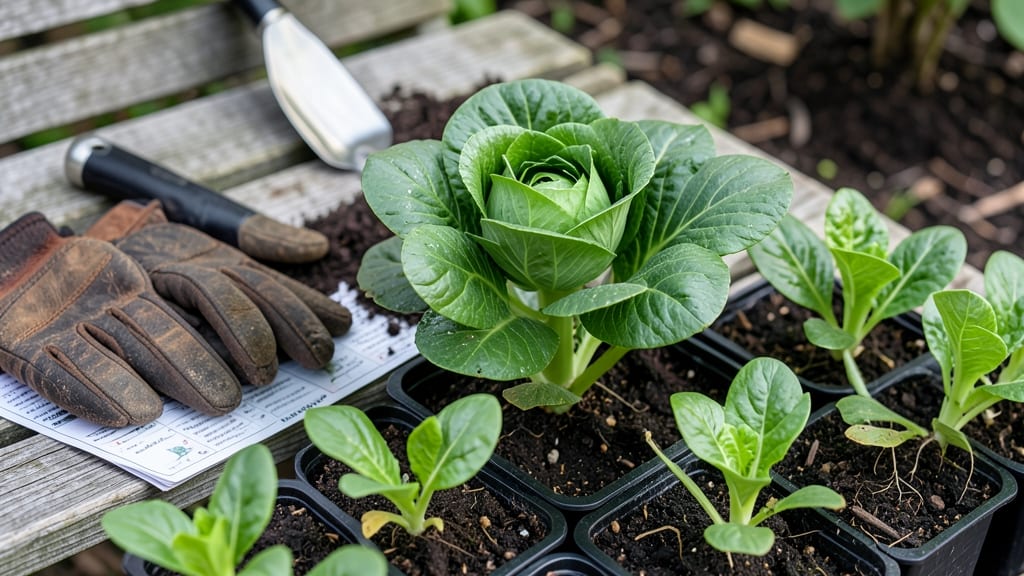
Planting cabbage in California isn’t one-size-fits-all—get the timing wrong, and you’ll end up with bitter, stunted 🥬 instead of crisp, flavorful heads. Whether you’re in coastal fog or inland heat, knowing the exact window for planting can mean the difference between a thriving harvest and wasted effort.
California’s microclimates throw a curveball: coastal areas like San Francisco can plant year-round with minimal frost, while inland zones like Sacramento need precise timing to avoid summer bolting.
I’ll break down the best months for both spring and fall planting, so you can align your schedule with your region’s unique growing conditions.
Most gardeners make one critical mistake—planting too late in the season or ignoring soil prep for their zone. You’ll learn how to adjust for temperature swings, choose the right varieties, and even extend your growing season with simple tricks like shade cloth or mulching.
Ready to grow cabbage that’s sweeter, tighter, and ready to harvest at its peak? Let’s dive into the exact planting calendar and pro tips tailored just for California’s diverse climate zones.
Best cabbage planting times in coastal vs inland California regions
California’s microclimates create dramatic differences in cabbage planting success. Coastal areas like San Francisco and Los Angeles enjoy mild winters with almost no frost, while inland regions like the Central Valley and Sacramento face 200–250 frost-free days and cooler nights.
Timing your cabbage seeds or transplants wrong can mean the difference between a bountiful harvest and a bitter disappointment.
For coastal California, your best planting windows are September–October for fall crops and February–March for spring. These periods give your cabbage enough time to mature before summer heat arrives. Inland areas should aim for August–September for fall and March–early April for spring, accounting for earlier frosts.
The key is planting 4–6 weeks before your first frost in fall or 6–8 weeks before your last frost in spring.
Here’s how the ideal planting months break down by region, including soil temperature and frost risk:
If you’re growing cabbage in containers or urban gardens, stick to cooler months to avoid heat stress. Inland growers should prioritize fall planting—spring crops often bolt before reaching maturity due to rising temperatures.
For coastal gardens, you can experiment with winter planting (November–December) for a late-spring harvest, but protect seedlings with frost cloth if nights dip below 40°F.
Soil temperature is critical: cabbage seeds need soil at 45–55°F to germinate, while transplants thrive in 50–70°F. Use a soil thermometer to check before planting.
Inland areas should aim for soil temps above 50°F to avoid slow growth. Coastal gardeners can plant earlier since soil warms faster with ocean breezes.
For fall crops, start seeds indoors 6–8 weeks before transplanting to give them a head start. Inland gardeners should harden off seedlings for 10–14 days before moving them outdoors, as temperature swings can shock young plants.
Coastal growers can transplant directly into the garden without hardening if nights stay above 50°F.
Pro tip: Direct-seeding in fall is easier than transplanting. Scatter seeds ¼ inch deep and 1 inch apart, then thin to 12–18 inches apart at maturity. This method reduces transplant shock and saves time. Use row covers in early fall to extend the season by 2–3 weeks.
In spring, focus on transplants rather than seeds, as soil warms quickly and seeds can dry out. Choose cold-hardy varieties like ‘Golden Acre’ or ‘Winterbor’ for inland areas, while coastal gardeners can opt for heat-tolerant types like ‘Cavalo’ or ‘Red Express’ for summer harvests.
Remember: Cabbage hates heat. If temperatures exceed 80°F for more than a week, your plants will bolt or taste bitter. Use shade cloth (30–50%) to protect mature plants during summer months, especially in inland regions. This simple trick can extend your harvest by 3–4 weeks.
Best cabbage planting times in coastal vs inland California regions
California’s coastal and inland regions have wildly different cabbage planting windows. Coastal areas like San Francisco and Los Angeles enjoy mild winters with no frost risk, while inland zones like the Central Valley face frost threats from November to March.
Timing is everything—plant too early in heat zones, and your cabbage bolts; too late, and it won’t mature before summer’s arrival.
For coastal California, focus on fall planting (September–October) and spring planting (February–March). Inland areas should aim for early fall (August–September) to beat the heat, with a secondary window in late winter (February). Soil temperatures below 45°F or above 80°F stress cabbage, so microclimates matter more than you’d think.
| Region | Best Planting Window | Frost Risk | Soil Temp Requirement | Harvest Window |
|---|---|---|---|---|
| Coastal (SF, LA) | Sep–Oct (fall) / Feb–Mar (spring) | None | 50–75°F | Dec–Apr (fall) / Jun–Aug (spring) |
| Inland (Sacramento, Central Valley) | Aug–Sep (fall) / Feb (spring) | High (Nov–Mar) | 45–70°F | Nov–Jan (fall) / May–Jul (spring) |
In coastal regions, you can even direct-sow cabbage as late as November and still harvest before summer heat sets in. Meanwhile, inland growers should prioritize early fall plantings to avoid bolting (premature flowering) when temperatures rise above 75°F.
Pro tip: Use shade cloth in inland areas to protect young seedlings from afternoon sun.
For spring plantings, coastal gardeners have a 6-week window (February–March) to get seeds in the ground, while inland zones must act by mid-February to avoid summer heat. Varieties like ‘Golden Acre’ (fast-maturing) or ‘Red Express’ (cold-hardy) are excellent choices for California’s variable climates.
Always check your local USDA zone—coastal areas often fall into Zone 9–10, while inland can be Zone 8–9.
One critical mistake I see often? Planting head cabbage too late in spring. By April, daytime temps in inland areas can hit 85°F+, sending cabbage into bolting mode. Instead, opt for leafy greens like kale or collards if you miss the window—these handle heat better than cabbage.
If you’re in high-desert areas (e.g., Eastern Sierra), aim for July–August plantings to take advantage of cooler nights. These microclimates can be 10°F+ cooler than nearby valleys, giving you a second chance at a fall harvest. Just monitor soil moisture—desert soils dry out fast.
Remember: Soil prep is just as important as timing. Amend your beds with compost and a balanced fertilizer (10-10-10) before planting. Coastal soils often need organic matter to retain moisture, while inland soils may benefit from gypsum to improve drainage. Mulch heavily with straw to keep roots cool and moist.