
Plants
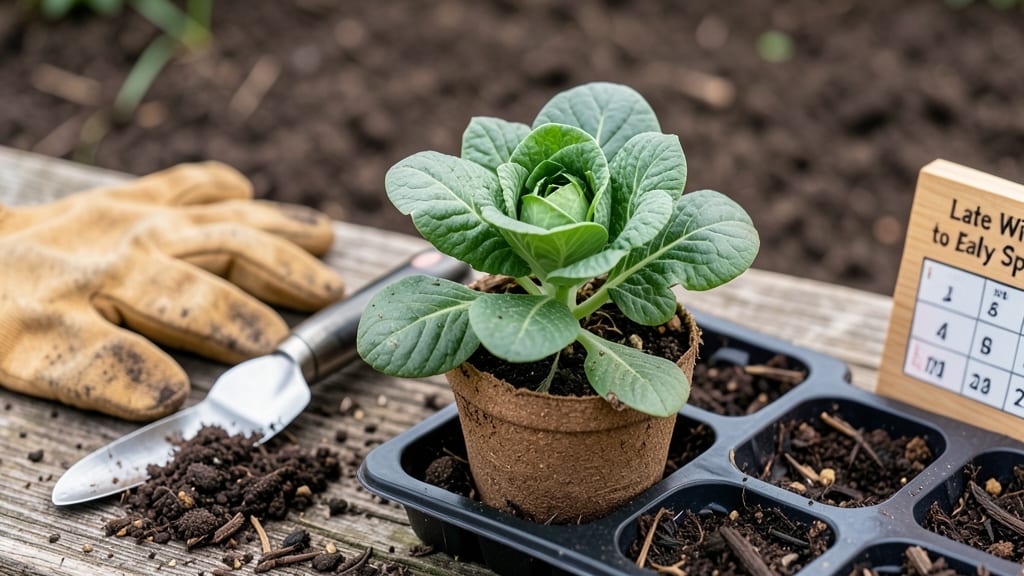
Planting cabbage at the wrong time in Zone 6b can mean the difference between crisp, sweet heads and bitter, stunted 🥬—and the key is timing your seeds just right.
With last frosts creeping in around mid-April and first frosts arriving by mid-October, you’ve got two narrow windows to work with: early spring or late summer. Whether you’re starting seeds indoors or sowing directly, getting this right ensures a bountiful harvest before the weather turns.
Most gardeners in Zone 6b swear by spring planting, but fall cabbage can be just as rewarding if you time it perfectly. The trick is planting 8-10 weeks before your first frost—that means late August for a fall harvest.
If you miss that window, don’t panic: row covers and cold-hardy varieties can stretch your growing season even further. I’ll break down exactly how to adjust your planting schedule based on your local frost dates.
You might think all cabbage varieties are created equal, but some thrive in Zone 6b’s short growing season while others struggle. Varieties like ‘January King’ and ‘Golden Acre’ are proven winners, maturing quickly and handling cooler temperatures better than others.
I’ll share which ones to pick—and which to avoid—so you can skip the guesswork and focus on a successful harvest.
Ready to grow cabbage that’s sweeter, healthier, and ready at the perfect time? Let’s dive into the exact planting calendar, frost-proof strategies, and variety picks that will turn your Zone 6b garden into a cabbage powerhouse—no more wasted seeds or disappointing harvests.
Zone 6b cabbage planting calendar: spring vs fall timing for optimal growth
Cabbage in Zone 6b loves cool weather but bolts in heat, so timing is everything. The average last frost date for Zone 6b is April 15, while the first frost typically arrives October 15. This gives you two prime planting windows: early spring (March-April) and late summer (August-September).
For spring planting, start seeds 4-6 weeks before your last frost (around mid-February to March) indoors. Transplant seedlings outdoors 2-3 weeks before the last frost when soil temps hit 45°F (7°C).
Fall planting requires starting seeds 8-10 weeks before the first frost (around mid-July to early August) for a late-October harvest.
Why timing matters: Planting too early risks frost damage, while late planting leads to bolting (flowering prematurely) as days lengthen. Cabbage needs 60-100 days to mature, so align your planting schedule with these frost dates to avoid wasted effort.
🌱
| Planting Window | Task | Soil Temp | Days to Maturity |
|---|---|---|---|
| Spring (Early) | Start seeds indoors Feb 15-Mar 1 | 45-50°F (7-10°C) | 75-90 days |
| Spring (Late) | Direct sow Mar 15-Apr 15 | 50-55°F (10-13°C) | 60-75 days |
| Fall (Early) | Start seeds indoors Jul 1-Aug 1 | 55-60°F (13-16°C) | 75-90 days |
| Fall (Late) | Direct sow Aug 15-Sep 1 | 60-65°F (16-18°C) | 60-75 days |
*Adjust dates 1-2 weeks based on your local microclimate.
Spring planting offers the longest growing season, but fall cabbage often tastes sweeter after light frosts. For early spring success, choose cold-hardy varieties like ‘January King’ or ‘Golden Acre’ that tolerate 25°F (-4°C) temps. In late summer, opt for bolting-resistant varieties like ‘Crimson Love’ or ‘Wax Early’.
Pro tip: Use black plastic mulch in spring to warm soil faster or straw mulch in fall to insulate roots. Both tricks help you push planting windows 1-2 weeks earlier or later without risking frost damage.
If you’re new to cabbage, direct sowing in spring is simplest—just scatter seeds ¼-inch deep, 18-24 inches apart, and thin seedlings to 12-18 inches apart when they’re 3-4 inches tall. For fall, transplanting 4-6 week old seedlings gives you a head start on the growing season.
🌿
Monitor your local frost dates using resources like the National Weather Service or Old Farmer’s Almanac. Zone 6b’s unpredictable frost patterns mean your exact planting window might shift ±7 days from the averages above.
When in doubt, err on the side of earlier planting—cabbage handles cool soil better than heat.
Finally, remember that cabbage thrives in full sun (6+ hours daily) and well-draining soil with a pH of 6.0-7.0. Amend your garden beds with compost before planting to ensure your cabbage gets the nutrients it needs for compact, sweet heads.
Zone 6b cabbage planting calendar: spring vs fall timing for optimal growth
In Zone 6b, timing your cabbage planting is everything—miss the window, and you risk bolting (premature flowering) or stunted growth from heat stress. The ideal planting window spans early spring (March-April) and late summer (August-September), aligned with your 165-day frost-free season.
For spring, aim to plant 4-6 weeks before your last frost (around mid-April), while fall plantings should go in 8-10 weeks before your first frost (by early September).
Direct sowing outdoors works for both seasons, but starting seeds indoors 4-6 weeks before transplanting gives you a head start—especially for slower varieties. Soil temperatures should be at least 40°F (4°C) for seeds to germinate properly.
If your soil is colder, wait until late March or use black plastic mulch to warm it faster. I’ve found that late March starts often yield the most reliable spring harvests, while August plantings set up fall success.
Here’s your Zone 6b cabbage planting timeline broken down by season, including key deadlines and frost-free metrics to guide your schedule:
| Stage | Action | Key Deadline | Notes |
|---|---|---|---|
| Spring Planting | Start seeds indoors | Late February - Early March | Use grow lights if natural light is weak |
| Spring Planting | Transplant outdoors | Mid-April (after last frost) | Hardens seedlings first for 1 week |
| Spring Planting | Direct sow outdoors | Late March - Early April | Soil temp must be 40°F+ |
| Fall Planting | Start seeds indoors | Late July - Early August | Choose fast-maturing varieties |
| Fall Planting | Transplant outdoors | Mid-August | Use row covers for frost protection |
| Fall Planting | Direct sow outdoors | Early August | Harvest before first frost (Oct 15) |
Spring plantings typically yield harvest-ready cabbage by June-July, while fall varieties mature by October-November. The key to success? Avoid planting too early—cabbage sown in February often bolts when temperatures rise, or it produces small, loose heads.
Similarly, fall plantings after mid-August may not mature before frost. I’ve learned that spacing is critical: plant seeds 1/4 inch deep and 18-24 inches apart to prevent disease and ensure strong heads.
For extended harvests, consider succession planting—sow a new batch every 2 weeks in spring and 3 weeks in fall. This ensures a steady supply of fresh cabbage throughout the season.
If you’re short on space, dwarf varieties like ‘Miniature Peanut’ mature in just 50 days, making them perfect for containers or small gardens. Just remember: consistent moisture is non-negotiable—cabbage hates drought stress, which leads to bitter flavors.
Pro tip: Mark your calendar for April 15 (last frost) and October 15 (first frost)—these dates are your planting anchors. If you’re unsure about your local frost dates, check your USDA Plant Hardiness Zone Map or use a frost calendar app for real-time updates.
With this schedule, you’ll avoid the common mistakes of planting too late for spring or too early for fall, ensuring crisp, sweet cabbage every time. 🥬