
Plants
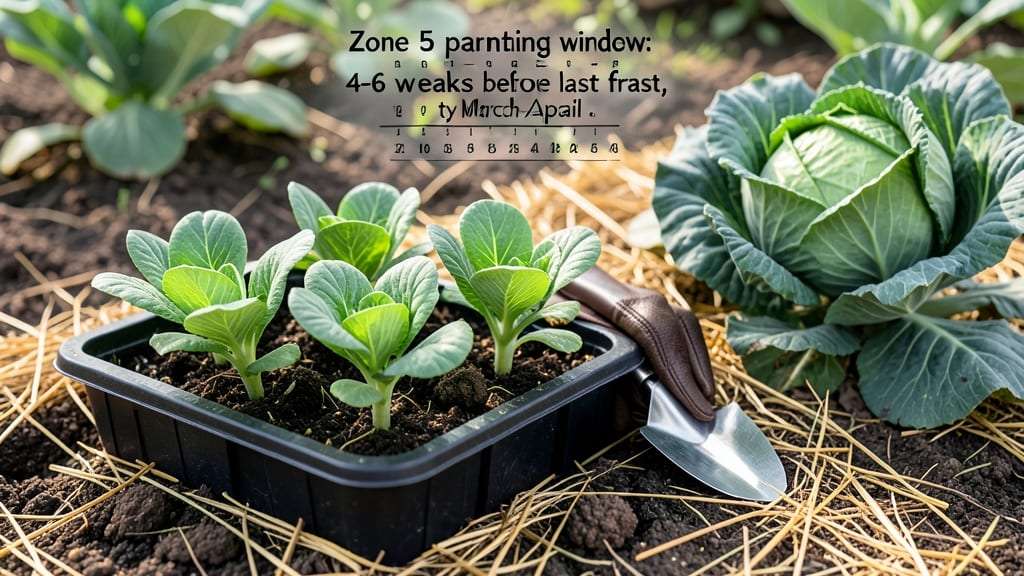
Planting cabbage at the right time in Zone 5 can mean the difference between a bountiful harvest and watching your seeds turn into sad, wilted 🥬 ghosts.
The key to fast germination and strong growth starts with knowing exactly when to put those seeds in the ground—because getting it wrong means waiting another year for a second chance.
In Zone 5, where frost lingers until mid-May, timing isn’t just about the calendar—it’s about reading your soil and microclimate.
Whether you’re growing early varieties for a June harvest or late-season types for fall, planting 4-6 weeks before your last frost date (usually around early April) gives your cabbage the jumpstart it needs to thrive before summer heat sets in.
But here’s the thing: Zone 5 isn’t one-size-fits-all. Northern areas like 5a might need to wait until late April, while southern 5b regions can start as early as March.
And if you’re aiming for a fall harvest, late summer planting in July or August works—just make sure to choose cold-hardy varieties that can handle October’s first frost.
I’ll walk you through the exact weeks to plant, how to adjust for your specific corner of Zone 5, and the simple tricks to keep your cabbage growing fast and healthy—no guesswork required. Let’s get those seeds in the ground the right way.
Best planting weeks before last frost in Zone 5 for cabbage success
Cabbage thrives in Zone 5 when planted at the right time—4 to 6 weeks before your last frost date. For most of Zone 5, this means late March to early April for spring crops.
Miss this window, and you risk slow germination or frost damage to young plants. The key is understanding your local frost dates, which can vary even within Zone 5.
Zone 5’s average last frost date falls between April 15 and May 15, depending on your specific location. For example, northern Zone 5 (like Detroit or Minneapolis) may need to plant earlier, while southern areas (like St. Louis or Kansas City) can wait until late April.
Always check your local frost calendar for precision.
Cabbage seeds germinate best in soil temperatures between 45°F and 85°F. In Zone 5, soil warms up slowly, so starting seeds indoors 4-6 weeks before transplanting gives them a head start. Alternatively, use row covers to protect seedlings from late frosts if planting directly outdoors.
For a fall harvest, plant cabbage seeds 10 to 12 weeks before your first frost, typically late July to early August in Zone 5. This ensures heads mature before cold weather sets in. Fall varieties like ‘Golden Acre’ or ‘Red Express’ are excellent choices for cooler temperatures.
Direct sowing vs. transplanting matters too. Transplants give you a jumpstart and are ideal if your growing season is short. Direct-sown seeds, however, can be more cost-effective and reduce transplant shock. If you choose this route, sow seeds 1/2 inch deep and keep soil moist until germination.
Here’s a quick reference for your planting timeline in Zone 5:
| Stage | Action | Zone 5 Timeline |
|---|---|---|
| Start Seeds Indoors | For transplants | Early March |
| Transplant Outdoors | After last frost | Late April - Early May |
| Direct Sow Seeds | Outdoor planting | Late March - Early April |
| Fall Planting | For late harvest | Late July - Early August |
| Harvest Ready | Spring or Fall | June - July or Oct - Nov |
Pro tip: Use cold-hardy varieties like ‘Early Jersey Wakefield’ or ‘Savoy King’ for early spring planting. These tolerate light frosts and grow quickly, giving you a head start. For fall, opt for ‘Red Express’, which matures faster in cooler weather.
Always space cabbage plants 18 to 24 inches apart in rows 24 to 36 inches apart. This prevents overcrowding, which leads to pests, diseases, and poor head formation. In smaller gardens, consider container growing with dwarf varieties like ‘Miniature Peanut’, which thrive in 5-gallon pots.
Finally, monitor your plants for bolting—when they prematurely flower due to heat or stress. In Zone 5, this is more common in late summer if temperatures spike. Provide consistent watering and shade cloth if needed to keep plants cool and productive.
With the right timing and care, your Zone 5 cabbage patch will reward you with crisp, homegrown heads all season long! 🥬
How to adjust cabbage planting for Zone 5’s short growing season
Zone 5’s short growing season (about 150 frost-free days) demands smart planning to maximize your cabbage harvest. The key is balancing early spring and fall crops while protecting tender seedlings from late frosts. I’ve found that succession planting and cold-hardy varieties are game-changers for extending your harvest window.
For spring cabbage, start seeds indoors 6-8 weeks before your last frost date (typically mid-March in Zone 5). Transplant hardened-off seedlings 4-6 weeks before frost—usually late April—to ensure they mature before summer heat arrives.
If you’re direct-sowing, wait until soil temperatures reach 40°F+ (around early April) to avoid slow germination.
For fall cabbage, the window is tighter. Begin seeds indoors 10-12 weeks before your first frost (aim for late July planting). Use row covers or low tunnels to shield seedlings from light frosts (down to 25°F) and push maturity.
Varieties like ‘Winterbor’ or ‘January King’ tolerate cold better than standard types.
One trick I swear by is interplanting cabbage with fast-growing radishes or lettuce. The radishes mature first, leaving space for cabbage to fill in without wasting garden real estate. This double-duty approach lets you squeeze in two crops where one might fail.
If you’re in northern Zone 5 (e.g., Minnesota, Wisconsin), your last frost may hit 2 weeks earlier than southern areas (e.g., Ohio, Pennsylvania). Adjust your planting dates accordingly—northern growers should start indoors by late February for spring crops.
For southern Zone 5, you might even fit in a third crop of baby cabbage in early summer.
Remember, patience is key in Zone 5. Rushing seedlings or planting too late can leave you with bolting heads or frost-damaged crops. Stick to these strategies, and you’ll enjoy homegrown cabbage from June through November—even in a short season! 🥬