
Plants
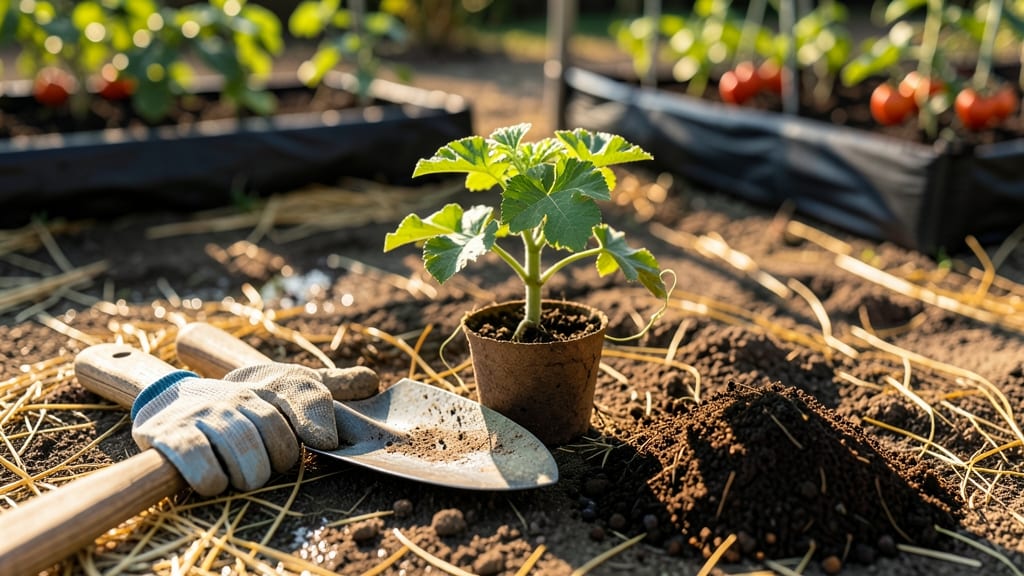
Planting cantaloupe in Ohio at the wrong time means watching your sweet 🍉 dreams wither before they even take root. The key to a bountiful harvest lies in waiting for the soil to warm up—typically after that last frost date in mid-April—and when daytime temperatures consistently stay above 70°F.
Ohio’s Zone 6a climate gives you a narrow window to get these warm-season lovers in the ground, but rushing it can lead to stunted vines or worse.
I’ve learned the hard way that patience pays off—those first few weeks after planting are critical for establishing strong roots before the real heat kicks in.
Whether you’re in Columbus, Cincinnati, or Cleveland, your microclimate matters. Northern Ohio gardeners should wait until late April, while southern Ohio growers might squeeze in an early May planting. The goal? Give your cantaloupe 90+ days of frost-free growing time to reach that juicy perfection.
Ready to avoid common mistakes? I’ll show you how to time your planting, protect young plants from late frosts, and even extend your harvest season with simple tricks. Let’s get those vines running—and those melons ripening—just in time for summer!
Ohio cantaloupe planting calendar: exact dates for Ohio’s Zone 5b-6a
Ohio’s Zone 5b-6a climate gives cantaloupe growers a short but sweet window to thrive. The key to success? Planting after the last frost date, when soil temperatures consistently stay above 70°F.
For most of Ohio, this means waiting until mid-April to early May, but exact timing varies by region—Columbus and Cincinnati tend to warm up faster than Cleveland.
Cantaloupe is a warm-season crop that hates cold soil. If you plant too early, your seeds will rot, and if you wait too long, you might miss the 70-90 day harvest window.
Ohio’s frost-free season averages 165 days, which is just enough for one full cantaloupe harvest if timed correctly.
Here’s the golden rule: Use a soil thermometer to confirm temperatures are stable at 70°F+ before planting. In northern Ohio, this might push planting to late May, while southern Ohio gardeners can start as early as mid-April.
Always check your local USDA Plant Hardiness Zone map for precise adjustments.
For direct sowing (planting seeds outdoors), Ohio’s ideal planting window is April 15 to May 15. If you’re using transplants (young plants from nurseries), you can start slightly earlier, around May 1, since they’re more resilient to brief cool snaps.
Just be prepared to cover them with row fabric if nighttime temps dip below 50°F.
🌱
If you’re eager to get a head start, consider starting seeds indoors 3-4 weeks before your last frost date. Use biodegradable pots to avoid transplant shock, and harden off seedlings by placing them outdoors for 2-3 hours daily starting 1 week before transplanting.
Ohio’s short growing season means every day counts!
For succession planting, sow a second batch of seeds in late May to early June if your first planting fails or you want a second harvest. Just be aware that late-planted cantaloupe may not fully mature before Ohio’s first frost in mid-October.
Choose fast-maturing varieties like ‘Athena’ or ‘Hale’s Best’ for better success.
🌡️
One common mistake Ohio gardeners make is ignoring microclimates. A south-facing hillside warms up faster than a low-lying, shady spot. If your garden has protected areas (like near a brick wall or fence), you can plant cantaloupe 1-2 weeks earlier in those spots.
Always scout your garden for these warm pockets to maximize your planting window.
Finally, keep an eye on your local weather forecasts in late April and early May. A late frost warning can delay planting by weeks. If frost is predicted, cover seedlings with frost cloth or a lightweight row cover to protect them.
With the right timing and a little preparation, you’ll be enjoying homegrown cantaloupe by midsummer!
How to extend Ohio’s cantaloupe growing season for bigger harvests
Ohio’s unpredictable spring frosts and cool summer nights can shorten your cantaloupe season—but with the right techniques, you can extend harvests by 3-4 weeks. The key is protecting young plants from late frosts and early cold snaps while maximizing warmth for faster growth.
Start with black plastic mulch, which warms soil 5-10°F faster than bare ground. This lets you plant 2-3 weeks earlier in spring and keeps roots cozy in cooler nights. Pair it with row covers for extra frost protection during those chilly May mornings that Ohio is famous for.
For gardeners in northern Ohio (Zone 5b), consider succession planting every 2 weeks from late May through June. This staggered approach ensures a continuous harvest even if early plantings struggle. In southern Ohio (Zone 6a), you can push it further with season-extending tunnels or cold frames.
🌱 Proven Season-Extension Techniques for Ohio Cantaloupe
- 🔥 Black plastic mulch: Spread 2-3 weeks before planting to warm soil to 70°F+ faster. Removes weed competition and retains moisture.
- ❄️ Frost cloth row covers: Use until plants are 6 inches tall. Secure edges with bricks or soil to prevent wind damage.
- 🌿 Companion planting: Surround vines with bush beans or radishes to shade soil and retain moisture.
- ☀️ Reflective mulch: Place white plastic sheeting around plants to bounce extra sunlight onto leaves.
- 🌱 Succession planting: Sow new seeds every 2 weeks from late May to June for staggered harvests.
Don’t overlook companion plants like marigolds, which repel pests and attract pollinators. Place them 12 inches away from cantaloupe vines to avoid competition. For late-season protection, use low tunnels or hoop houses to trap heat after September’s first frost threat.
Monitor soil temperatures with a thermometer—cantaloupe roots need 70°F+ to thrive. If nights dip below 55°F, cover plants with lightweight row fabric until morning. This simple trick can double your harvest by preventing flower drop from cold stress.
Remember: Patience pays off. Rushing planting in early April risks frost damage, but with these techniques, you’ll enjoy sweet cantaloupes from July through September—even in Ohio’s cooler climates. 🌿