
Plants
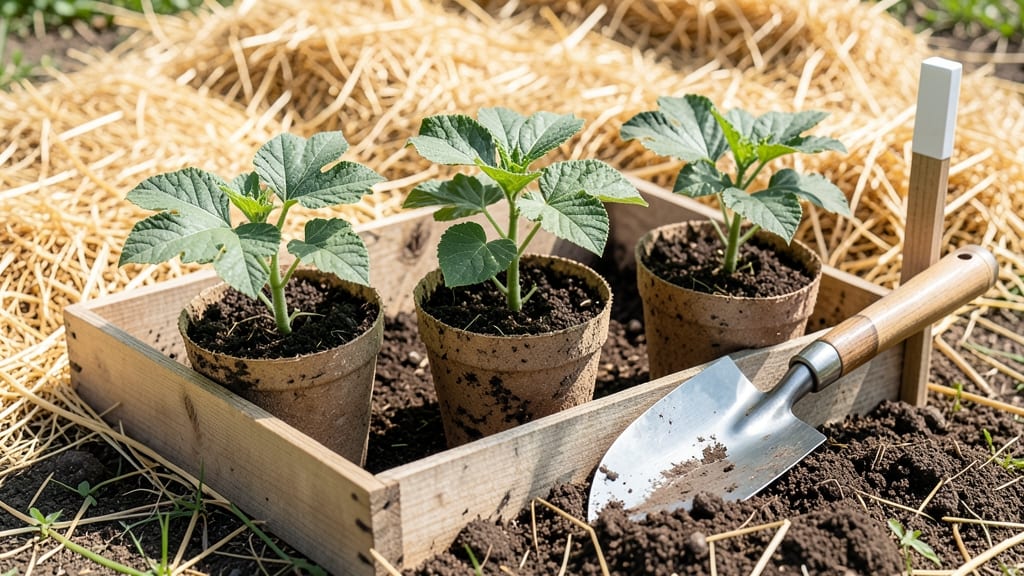
Planting cantaloupe in Arkansas isn’t just about dropping seeds in the dirt—it’s about catching that sweet spot between frost and scorching heat to guarantee a bountiful harvest.
With the right timing, you could be slicing into ripe 🍈 melons by mid-summer, but get it wrong, and you’ll either lose your crop to late frosts or watch your vines wilt before fruiting.
Arkansas’s 7a-8a climate demands precision, and knowing when to plant means the difference between a thriving patch and a disappointing patch of dirt.
Most Arkansas gardeners swear by waiting until late April to early May, after the last frost date (usually around March 15), when soil temperatures hit a steady 70°F+. This window ensures your cantaloupe seeds germinate quickly and your plants mature before summer’s peak heat arrives.
Skipping this step? You might end up with stunted growth or bitter fruit—neither of which is worth the effort.
But here’s the kicker: timing isn’t just about dates—it’s about reading your soil and sky. In this guide, I’ll break down the exact conditions to watch for, from frost-free timelines to soil prep tricks that Arkansas gardeners use to outsmart humidity and pests.
Whether you’re a first-timer or a seasoned grower, these insights will help you plant with confidence and harvest like a pro.
Ready to turn your backyard into a cantaloupe oasis? Let’s dive into the step-by-step secrets that’ll have you enjoying vine-ripened sweetness straight from your garden—no store-bought melons required.
Arkansas cantaloupe planting calendar: frost dates, soil temps & ideal months
Cantaloupes in Arkansas thrive when planted after the last frost date—typically around mid-April to early May—but timing depends on your USDA zone (7a-8a). Northern Arkansas (Zone 7a) has a longer frost risk, while southern areas (Zone 8a) can plant 2-3 weeks earlier.
The key? Soil temperatures above 70°F and consistent warmth for 75+ days to harvest.
Arkansas’ frost-free growing season spans roughly 200 days, from March 15 (last frost) to November 15 (first frost). Cantaloupes need 60–90 days to mature, so planting too late risks poor fruit set before cooler weather arrives.
Balance is everything—plant too early, and frost zaps seedlings; too late, and summer’s heat arrives before harvest.
Here’s your Arkansas cantaloupe planting timeline, broken down by region and soil readiness:
| Region | USDA Zone | Last Frost Date | Ideal Planting Window | Soil Temp Requirement | Harvest Window |
|---|---|---|---|---|---|
| Northern Arkansas | 7a | April 15–May 1 | Late April–Early May | 70°F+ (use row covers) | July 15–August 30 |
| Central Arkansas | 7b | April 1–April 15 | Early April–Mid-April | 70°F+ (soil thermometer recommended) | June 20–September 1 |
| Southern Arkansas | 8a | March 20–April 1 | Mid-March–Early April | 70°F+ (earlier planting possible) | May 15–August 15 |
🌱 Pro Tip: Use a soil thermometer to confirm temps—cantaloupes won’t germinate below 65°F.
For extended harvests, consider a second planting in late June (if your season stretches into September). However, Arkansas’ humidity and heat can stress vines, so prioritize well-draining soil and morning watering to prevent fungal issues like powdery mildew.
Northern Arkansas gardeners should harden off seedlings for 7–10 days before transplanting, as cooler nights slow growth. In Zone 7a, use black plastic mulch to warm soil faster—this can shave 1–2 weeks off your planting timeline.
Southern growers, meanwhile, can direct-sow seeds as early as mid-March if nighttime temps stay above 55°F.
Miss the spring window? Fall planting is risky in Arkansas due to early frosts, but if you’re determined, sow seeds by mid-July for a late-summer harvest. Just be prepared to protect plants with row covers if temperatures dip below 50°F at night.
Track your local frost dates using the Arkansas Climate Office or plant heat-loving varieties like ‘Athena’ or ‘Hale’s Best’, which tolerate Arkansas’ 90°F+
Step-by-step guide to planting cantaloupe in Arkansas: from seed to vine
Planting cantaloupe in Arkansas isn’t just about dropping seeds in the dirt—it’s about creating the perfect conditions for those vines to sprawl and fruit to ripen under our humid, hot summers.
Whether you’re starting from seeds or transplants, follow these steps to ensure a bountiful harvest of sweet, golden melons.
First, choose your planting method. Most Arkansas gardeners prefer direct sowing after the last frost, but you can also use transplants if you start seeds indoors 3–4 weeks earlier. Just remember: cantaloupes hate cold soil—wait until the ground reaches at least 70°F.
🌱 Step-by-Step Planting Guide
- 📍 Pick the right spot: Choose a sun-drenched area with 6+ hours of sunlight and well-draining soil. Arkansas’ clay-heavy soil? Amend it with compost or sand for better drainage.
- 🌱 Prep the soil: Test your soil pH (6.0–6.8) and mix in aged compost or a balanced fertilizer (10-10-10) to boost nutrients. Cantaloupes are heavy feeders!
- 🌱 Sow seeds or transplant: If direct sowing, plant 2 seeds per hill, 1 inch deep, and 2–3 feet apart. For transplants, space them 18–24 inches apart to give vines room to spread.
- 🌱 Mulch lightly: Apply straw or black plastic mulch to retain moisture and suppress weeds. Arkansas’ heat can dry soil quickly, so mulch helps keep roots cool.
- 🌱 Water deeply: Give 1–2 inches of water weekly, focusing on the root zone. Avoid wetting leaves to prevent fungal diseases like powdery mildew—common in Arkansas’ humidity.
- 🌱 Support vines (optional): Use trellises or cages if space is tight, but cantaloupes thrive when vines sprawl freely. Just keep them off damp soil to avoid rot.
- 🌱 Fertilize mid-season: Feed with balanced fertilizer every 4–6 weeks once vines start running. Stop fertilizing 4 weeks before harvest to avoid bitter fruit.
One of my favorite tricks for Arkansas gardens? Companion planting. Pair cantaloupes with bush beans or radishes to improve soil health and deter pests. Avoid planting near potatoes or pumpkins, though—they compete for nutrients and attract similar pests.
After planting, monitor for pests like cucumber beetles or diseases like powdery mildew. Arkansas’ heat and humidity create the perfect storm for issues, so prune affected leaves immediately and use neem oil if needed.
With the right care, your cantaloupes will be ready to harvest in 75–90 days—just in time for summer’s peak!
Pro tip: Mark your planting date on a garden calendar so you can track progress. Cantaloupes grow fast, and Arkansas’ summer heat means they’ll mature quicker than you think—don’t miss that sweet spot! 🍈