
Plants
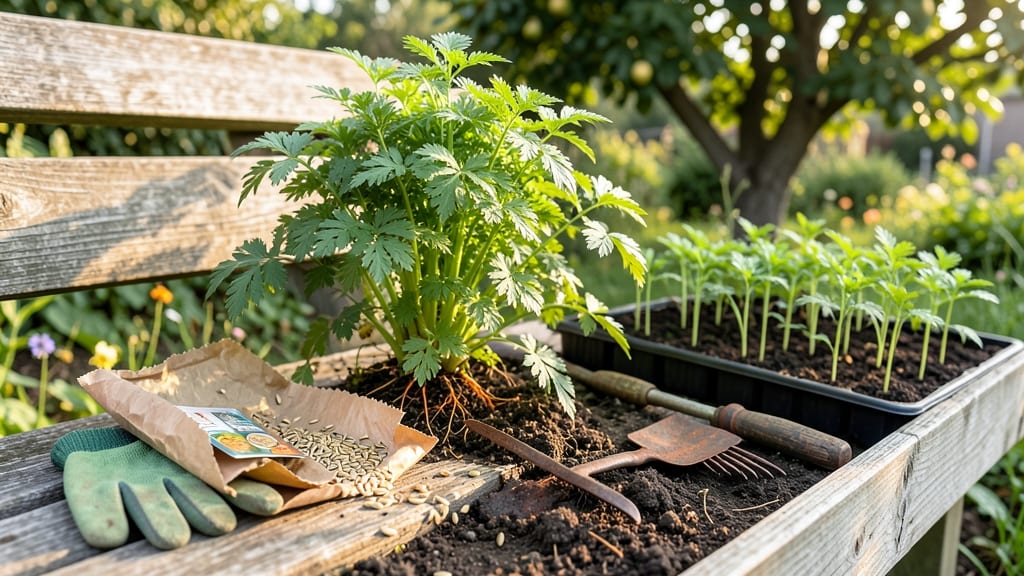
If you’re growing 🥕 in Central Florida, timing your carrot planting can mean the difference between crisp, sweet roots and bitter, woody failures—especially when summer heat arrives faster than you expect.
Most gardeners here make one big mistake: waiting too long to plant. The key window for success is September to October and again in February to March, when temperatures stay cool enough for germination and growth.
Miss these months, and you’ll fight the heat instead of enjoying a bountiful harvest.
But here’s the good news: with the right strategies, you can stretch your growing season and avoid common pitfalls like bolting or forking. I’ll show you exactly when to plant, how to prep your soil, and which varieties thrive in Central Florida’s unique climate—so you can enjoy homegrown carrots year-round.
Ready to skip the guesswork? Let’s dive into the best planting schedule for your garden, tailored just for 9a-10a zones.
Best planting months for carrots in Central Florida’s climate zones
Central Florida’s USDA Zones 9a-10a offer two prime windows for growing crisp, sweet carrots: fall and spring. Unlike northern climates, we don’t have to worry about frost ruining our crop—but we do need to beat the summer heat.
The key is planting when soil temperatures stay between 50-75°F, giving carrots time to mature before temperatures climb above 85°F, which triggers bolting.
Fall planting is my top recommendation because it aligns perfectly with Central Florida’s cooler, drier season. By sowing in September or early October, you’ll harvest before winter rains and humidity arrive.
Spring planting works too, but timing is tighter—aim for late February to early March to avoid the heat. In Tampa’s coastal microclimate, you might squeeze in an August planting, but Orlando’s inland heat makes this riskier.
Here’s the critical detail: carrots need about 70 days to mature. If you plant too late in fall, they’ll still be growing when temperatures rise in April.
Conversely, spring plantings must finish by mid-May before the heat sets in. Gainesville’s slightly cooler nights give you a 10-day advantage over Miami’s steamy conditions.
🥕 Central Florida Carrot Planting Timeline
| Planting Window | Best Months | Soil Temp (°F) | Harvest Window | Notes |
|---|---|---|---|---|
| Fall Planting | September-October | 60-75°F | November-December | Best for crisp roots; avoid heavy rains |
| Spring Planting | Late Feb-Early March | 50-65°F | May-June | Risk of bolting if planted too late |
| Late Summer (Risky) | August (Coastal Areas) | 75-80°F | September-October | Use shade cloth; high failure rate inland |
Pro Tip: Test soil temperature with a soil thermometer before planting—carrots won’t germinate well above 80°F.
For gardeners in Orlando and Gainesville, I recommend starting with fall plantings in late September. This gives you a full 70-day growing window before temperatures rise in December.
In Tampa and Miami, you can push it to early October, but be prepared to harvest by mid-December before the humidity spikes.
One common mistake I see is planting too early in fall—by mid-August, the heat is still lingering, and seeds may rot before germinating. Always wait until nighttime temperatures drop below 80°F consistently.
For spring, don’t wait until April—by then, the days are too long, and the heat will rush the plants to bolt.
If you’re new to Central Florida gardening, here’s a quick rule of thumb: Plant carrots when your tomato plants are just starting to flower. This usually aligns with the ideal 60-70°F soil temperature range.
And remember, shorter-day varieties like ‘Paris Market’ or ‘Little Finger’ are better suited to our climate than long, slow-growing types.
For those in higher elevations like Ocala, you might get a 10-14 day extension in both fall and spring due to cooler nights. Always check your local Frost Free Date Calculator—Central Florida’s last frost is typically mid-December, but we rarely see damaging frosts this late.
Finally, don’t overlook succession planting in fall. Sow a second batch 4-6 weeks after your initial planting to stagger harvests through December. This is especially useful if you’re growing baby carrots, which mature in just 50 days.
🌱
Best planting months for carrots in Central Florida’s climate zones
Central Florida’s USDA zones 9a-10a offer a 100-day growing window for carrots, but timing is everything. The ideal soil temperature for germination is 50-75°F, which aligns perfectly with fall and early spring planting. Summer’s 90°F+ heat causes bolting, while late fall plantings risk freeze damage before harvest.
In Orlando, Tampa, and Gainesville, microclimates shift slightly—coastal areas like Tampa stay warmer longer, while inland Orlando cools faster. First frost typically hits mid-January, but last frost can linger until mid-December. This means your harvest window is tight—just 100 days between ideal planting and frost.
| Planting Window | Best Months | Soil Temp (°F) | Harvest Window | Notes |
|---|---|---|---|---|
| Fall | September-October | 60-75°F | November-December | Best for crisp roots; avoid late Oct. plantings. |
| Early Spring | February-March | 50-65°F | May-June | Risk of summer heat; use shade cloth if planted late. |
| Late Summer (Risky) | August | 80-90°F | September-October | High bolting risk; only for fast-maturing varieties. |
For fall plantings, aim to sow seeds 8-10 weeks before first frost (early September). This gives carrots enough time to mature before temperatures drop below 40°F. Danvers Half Long and Nantes varieties are top picks—they tolerate Florida’s humidity and sandy soil better than others.
Spring plantings should start 8-10 weeks before last frost (early February). However, by April, soil temperatures often exceed 75°F, forcing carrots to bolt. To mitigate this, use shade cloth (30-50%) during peak afternoon sun and mulch heavily to retain moisture.
Central Florida’s sandy soil drains quickly, so amend beds with compost before planting. Test soil pH (6.0-6.8)—carrots hate acidic or alkaline conditions. If your soil is too sandy, mix in peat moss or coconut coir to improve moisture retention without compacting roots.
Pro tip: Succession plant every 2 weeks in fall for a continuous harvest. Start with a small batch in early September, then repeat until early October. This extends your harvest window by 3-4 weeks and ensures you’re not overwhelmed with a single massive harvest.