
Plants
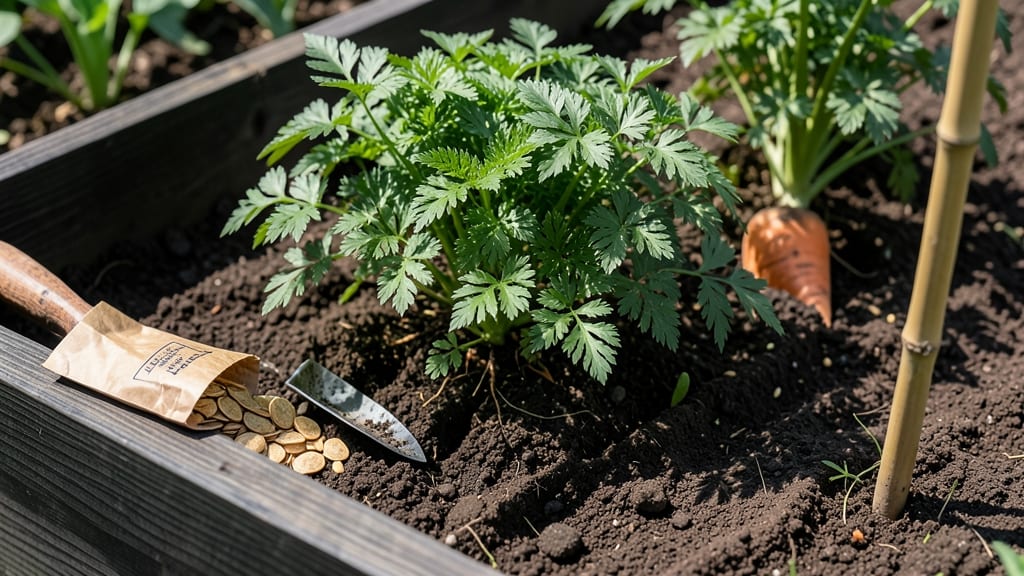
If you’ve ever struggled to plant carrots in Zone 9a’s relentless summer heat, you're not alone—timing is everything. Planting carrots at the wrong moment means woody roots or bitter flavors, but get it right, and you'll enjoy fresh harvests for months.
The key is to plant during the cooler months when soil temperatures stay below 75°F. For Zone 9a gardeners, that means focusing on fall (September-November) and winter (December-February) sowings. This schedule helps avoid the brutal summer heat that turns tender roots tough.
I've tested these planting windows myself, and the results speak for themselves: crisp, flavorful carrots that thrive without bolting. Whether you're a seasoned gardener or just starting, this timing strategy will transform your harvests.
Ready to unlock the secrets? Let’s dive into the exact months and microclimate tweaks that make all the difference in Zone 9a’s climate.
Best planting months for carrots in Zone 9a to avoid summer heat stress
Zone 9a’s long, hot summers make timing critical for growing sweet, crisp carrots. Unlike cooler zones, spring planting here often leads to bolting (flowering) from heat stress, while summer planting risks woody, tough roots.
The key? Plant when daytime temps stay below 75°F and nights dip below 60°F—your sweet spot for optimal growth.
For most of Zone 9a, this means focusing on fall and winter planting. Coastal areas may have slightly cooler microclimates, allowing late summer sowings, but inland gardeners should avoid planting after August 15. Let’s break down the best windows and how to extend your harvest season.
Your primary planting window in Zone 9a is September through October, when soil temperatures drop below 75°F and daytime highs stay under 80°F. This timing ensures 60-80 days to maturity before summer heat sets in.
For example, seeds sown on September 15 typically yield harvest-ready carrots by mid-December—perfect for holiday meals.
If you’re in a coastal microclimate (like San Diego or Santa Barbara), you can push planting to late August using 30% shade cloth to protect seedlings from afternoon sun.
Inland areas should wait until mid-September to avoid bolting. Always choose short-day varieties like 'Danvers' or 'Nantes' for Zone 9a—they’re bred to handle longer daylight hours without flowering prematurely.
For winter planting, aim for November through December when nighttime temps drop below 50°F. Carrots sown in these months grow slowly but develop sweeter, less woody roots by spring. Use black plastic mulch to warm soil and row covers for frost protection during unexpected cold snaps.
My personal trick? Plant a test row in November—if sprouts emerge within 10 days, your soil is warm enough for full planting.
Zone 9a’s mild winters also allow January-February sowings, but these carrots will mature in late spring or early summer—just as temps rise again. To avoid woody texture, harvest these plants by June 1 or switch to heat-tolerant varieties like 'Yellowstone' or 'Touchon'.
Always pair winter plantings with drip irrigation to maintain even moisture during dry spells.
One common mistake in Zone 9a is assuming spring planting works like in cooler climates. I’ve seen gardeners rush to plant in March or April only to watch their carrots bolt by May.
Instead, focus on fall and winter windows and use succession planting every 2-3 weeks to stretch your harvest. For example, sow a row on September 15, another on October 1, and a final one on November 1—this gives you fresh carrots from December through April.
Don’t forget to prep your soil 2-3 weeks before planting. Zone 9a soils often compact or bake hard in summer, so double-dig to loosen the top
Best planting months for carrots in Zone 9a to avoid summer heat stress
Zone 9a’s hot summers and mild winters create a unique challenge for growing carrots—too early, and they bolt; too late, and they become woody. The sweet spot? Planting when soil temperatures stay below 75°F, which in Zone 9a means focusing on fall and winter sowings.
This timing ensures tender, flavorful roots without the stress of summer heat.
For the best results, I recommend starting your carrot seeds in September through November. These months offer cooler soil temperatures and longer daylight hours, giving your carrots the ideal conditions to establish strong roots before winter.
Even in Zone 9a, where frost is rare, the cooler weather mimics a more temperate climate, reducing the risk of bolting or bitterness.
If you’re eager for an earlier harvest, you can also sow a small batch in late August, but be prepared to provide afternoon shade with a 30% shade cloth to protect seedlings from the intensifying heat.
This early sowing is riskier but can yield baby carrots by October if managed carefully.
Winter planting in Zone 9a is often overlooked, but it’s a game-changer for extending your harvest. Sow seeds in December for a spring crop, or even in January for a summer harvest.
The key is to use row covers or cold frames to maintain soil temperatures above 50°F, which prevents seed dormancy and encourages germination.
Pro tip: If you’re in a coastal Zone 9a area, you may experience cooler temperatures year-round, allowing for earlier spring plantings in February or March. Inland areas, however, should wait until soil temperatures stabilize below 75°F, typically in late March or April.
Always check soil temps with a thermometer to avoid guesswork.
To maximize your harvest, pair these planting windows with succession planting—sow new seeds every 2-3 weeks during the ideal window. This ensures a steady supply of fresh carrots without gaps.
For example, start your first batch in September, then follow up with plantings in October, November, and December to enjoy carrots from December through June.
Don’t forget to prep your soil with compost and sand to improve drainage, which is critical for preventing forked roots. Loose, well-draining soil is non-negotiable for carrots—especially in Zone 9a’s heavy clay soils.
With the right timing and soil prep, you’ll be pulling out perfectly shaped, sweet carrots all season long. 🥕