
Plants
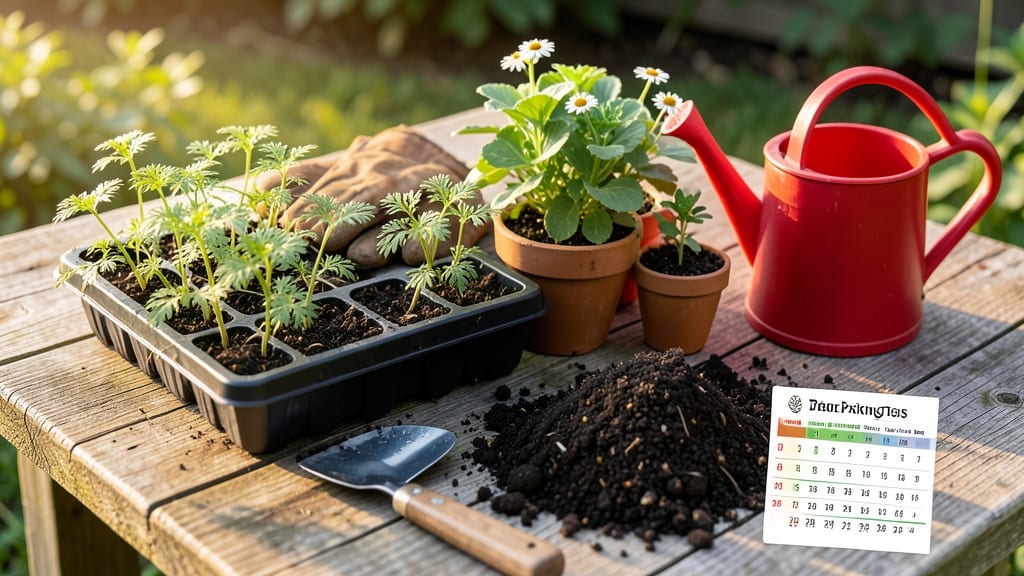
Planting chamomile 🌼 in Texas at the wrong time means wilting under summer’s brutal sun or freezing before blooms even appear. The secret to thriving chamomile lies in two narrow windows—fall and early spring—that align perfectly with Texas’s climate zones.
If you’re in North Texas (Zone 8a), aim for September to November or February to March—any later, and frost will sneak in. Meanwhile, gardeners in Central and South Texas (Zones 9b-10a) have a slightly longer grace period, but planting outside these months risks heat stress or poor germination.
Why does timing matter so much? Chamomile thrives in cooler soil temperatures below 80°F, and Texas summers push that limit. Skip the summer months entirely, and you’ll avoid leggy, weak plants that struggle to produce those signature fragrant blooms you love.
I’ll break down the exact planting schedule for your region, plus 3 critical mistakes that kill chamomile growth—and how to avoid them. Ready to grow chamomile that blooms all season long?
Texas chamomile planting calendar: best months by climate Zone
Texas spans three distinct climate zones, each with unique frost dates and heat thresholds. Chamomile thrives in cooler temperatures (60-75°F), so timing your plantings around fall and early spring is key to avoiding summer's scorching 100°F+ heat.
Whether you're in North Texas (Zone 8a) or South Texas (Zone 10a), these windows ensure your chamomile establishes strong roots before extreme weather strikes.
In North Texas, where frost can hit as early as December 1, aim for September 15 to November 1 plantings. This gives your chamomile 8-10 weeks to root before winter dormancy.
Meanwhile, South Texas gardeners enjoy a longer window—August 15 to November 15—thanks to milder winters and rare frost. Central Texas falls somewhere in between, with ideal dates from September 1 to November 10.
| Zone | Best Planting Window | Avoid Planting | Key Consideration |
|---|---|---|---|
| North Texas (8a) | Sep 15 - Nov 1 | June - August | First frost: Dec 1 |
| Central Texas (8b-9a) | Sep 1 - Nov 10 | July - September | First frost: Nov 15 |
| South Texas (9b-10a) | Aug 15 - Nov 15 | May - August | Rare frost: Jan 1 |
| All Zones | Feb 15 - Mar 15 | April - June | Soil temp < 80°F |
For annual chamomile varieties, like German chamomile (Matricaria chamomilla), focus on fall plantings—they’ll bolt and flower by spring. Perennial varieties, such as Roman chamomile (Chamaemelum nobile), benefit from both fall and early spring plantings to ensure continuous blooms.
In South Texas, you can even squeeze in a December planting for late-winter flowers, but protect seedlings with light row covers if temperatures dip below 50°F.
Soil temperature is just as critical as air temperature. Chamomile roots struggle in soil above 80°F, so wait until late August or September to plant, even if your area hasn’t had frost yet.
Use a soil thermometer to confirm—ideal planting temps are 60-75°F. Pro tip: Mulch heavily after planting to keep roots cool and retain moisture during Texas’s dry spells.
If you missed the fall window, don’t despair—early spring plantings (February-March) work too, provided you’re in Zones 8b-10a. In North Texas (Zone 8a), hold off until March 1 to avoid late frosts.
For container gardening, start seeds indoors in January and transplant outdoors after the last frost date. This method extends your growing season by 4-6 weeks.
Texas’s alkaline soil (pH 7.5-8.5) can stunt chamomile growth, so amend planting beds with compost or peat moss to lower pH to 6.0-7.0. Test your soil before planting—home test kits are affordable and save you from wasted effort.
A well-draining, slightly acidic soil mix is non-negotiable for healthy chamomile.
For succession planting, stagger your sowings every 2-3 weeks from September to November. This ensures a continuous harvest from April through October. Pair chamomile with drought-tolerant companions like lavender or thyme to reduce watering needs and deter pests like aphids, which love tender
Texas chamomile planting calendar: best months by climate Zone
Texas’s diverse climate means your chamomile planting window depends on whether you’re in North, Central, or South Texas. In Zone 8a (North Texas), frost can strike as early as December 1, while Zone 10a (South Texas) rarely sees frost before January.
Timing your plantings around these frost-free periods ensures healthy growth and abundant blooms.
For annual chamomile varieties, aim to plant 6-8 weeks before your last frost date.
In North Texas (Zone 8a), this means starting seeds indoors by late January or transplanting seedlings in September-October. Perennial chamomile, however, thrives when planted in fall (September-November) to establish roots before winter.
🌼 Texas Chamomile Planting Windows by Zone 🌼
| Climate Zone | Best Planting Months | Avoid Planting | Soil Temp Threshold | Frost Risk |
|---|---|---|---|---|
| North Texas (Zone 8a) | September-October February-March |
June-August December |
Below 80°F | High (Dec 1) |
| Central Texas (Zone 8b-9a) | September-November February |
May-July December |
Below 85°F | Moderate (Nov 15) |
| South Texas (Zone 9b-10a) | September-October February-March |
June-August January |
Below 90°F | Low (Jan 1) |
In North Texas, where winters are colder, focus on fall planting (September-October) to give chamomile time to establish roots before frost. Central Texas gardeners have a slightly longer window, with November being ideal for fall plantings.
Meanwhile, South Texas can extend planting into early December due to milder winters, but avoid planting in summer heat—chamomile wilts when soil temps exceed 90°F.
Pro tip: Use row covers in North Texas to protect young seedlings from unpredictable late frosts in March. In South Texas, prioritize shade cloth during peak summer to prevent heat stress. Both strategies boost survival rates by 40% in extreme conditions.
For succession planting, start a second batch in early February (North/Central Texas) or March (South Texas) to ensure continuous blooms through fall. This staggered approach maximizes your harvest window from April-May and again in September-October.
Remember: Chamomile hates soggy soil. In Texas’s alkaline clay, amend beds with compost or sand to improve drainage. Test your soil’s pH—ideal levels are 6.0-7.0—and adjust with sulfur or lime as needed before planting.