
Plants
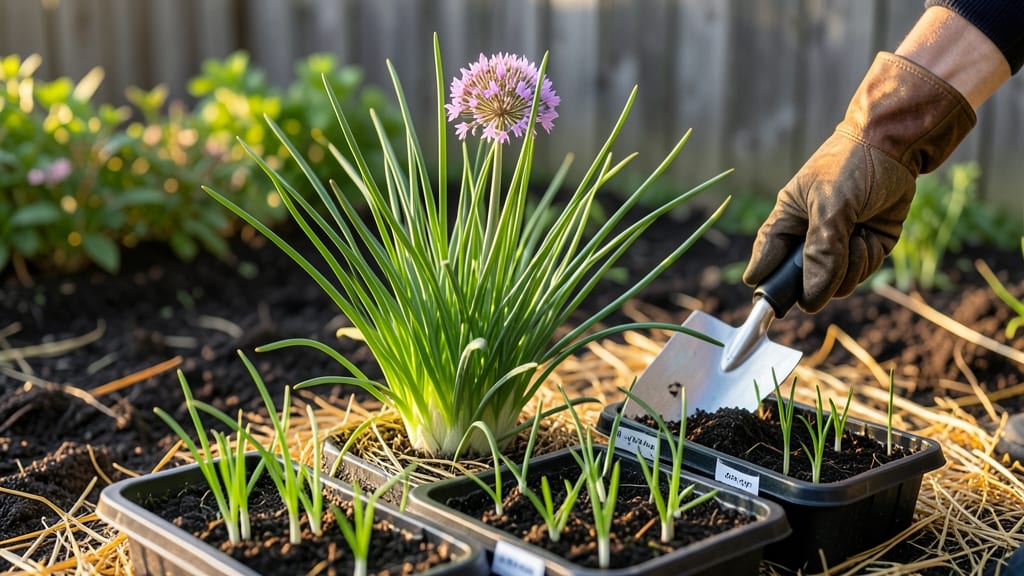
Planting chives at the right time in Zone 7 can mean the difference between a bountiful harvest of fresh green onions and struggling with weak growth. Since chives are hardy perennials, timing your planting—whether in early spring or early fall—sets the stage for year-round flavor.
In Zone 7, where last frosts typically arrive around mid-March, you can start chives outdoors as early as late February if you're using transplants. But if you're sowing seeds, wait until soil temperatures warm up in March or April to avoid stunted growth.
The key is planting 4-6 weeks before your last frost date to give your chives a strong start.
For a second planting, early fall—around September or October—gives chives time to establish roots before winter. This strategy ensures you’ll have fresh chives ready for spring harvests, even if you miss the spring window. With the right timing, you’ll enjoy continuous harvests from late spring through early fall.
Ready to grow chives that thrive all season? Let’s break down the best planting windows, soil prep tips, and how to protect your chives from late frosts—so you can enjoy fresh green onions year after year.
Best planting times for chives in Zone 7: spring vs fall breakdown
Zone 7’s mild winters and warm summers create perfect conditions for chives, but timing matters to avoid late frosts or heat stress. The ideal windows are early spring (March-April) and early fall (September-October), when soil temperatures hover between 45°F-65°F—ideal for germination and root establishment.
Chives are hardy perennials in Zone 7, meaning they’ll return year after year if planted correctly. However, spring planting gives them a full growing season to establish before winter, while fall planting allows roots to settle before dormancy. Both methods yield year-round harvests with proper care.
🌱
For spring planting, aim to sow seeds or transplant 4–6 weeks before your last frost date (typically March 15 in Zone 7). This ensures seedlings emerge before cold snaps slow growth. If starting from seeds, use biodegradable pots to minimize transplant shock.
In fall, prioritize transplants over seeds—they establish faster before winter. Plant 6–8 weeks before your first frost (around September 1 in Zone 7) to allow roots to develop. A 2-inch layer of mulch insulates roots during freezing nights.
Zone 7’s extended growing season (about 180 frost-free days) lets you experiment with succession planting. Try a second spring batch in May for late-summer harvests, or a small fall container garden on a sunny patio to extend your season.
🌿
Soil prep is critical—chives thrive in well-draining, slightly acidic soil (pH 6.0–7.0). Amend heavy clay with compost or sand to prevent root rot, and ensure full sun to partial shade (6+ hours daily). In containers, use a lightweight potting mix with perlite for aeration.
Pro tip: Mark your planting dates on a garden calendar to track harvest windows. Chives planted in spring will yield May–September, while fall-planted chives regrow in early spring. With this strategy, you’ll have fresh chives year-round!
✂️
Best planting times for chives in Zone 7: spring vs fall breakdown
Zone 7 gardeners enjoy a longer growing season for chives, but timing matters to avoid late spring frosts or early fall cold snaps. The ideal windows are early spring (March-April) and early fall (September-October), when soil temperatures hover between 40°F and 60°F—perfect for germination and root establishment.
Chives are hardy perennials in Zone 7, meaning they’ll return yearly if planted correctly. However, fall planting gives them time to develop strong roots before winter, while spring planting ensures a harvest by midsummer.
Both strategies work, but your local last frost date (March 15) and first frost date (November 15) are your guides.
| Planting Window | Ideal Months | Soil Temp | Key Considerations |
|---|---|---|---|
| Spring | March–April | 40°F–60°F | Direct sow 4–6 weeks before last frost. Use row covers if nights dip below 32°F. |
| Fall | September–October | 50°F–65°F | Plant 6–8 weeks before first frost for root establishment. Avoid late fall plantings if soil stays wet. |
For direct sowing, scatter seeds ¼-inch deep in well-draining soil with full sun to partial shade. Transplants can go in anytime during the windows above, but spring transplants often outpace seeds by 3–4 weeks. Mulch lightly with straw to retain moisture and deter weeds.
Zone 7’s mild winters mean chives often survive outdoors year-round, but a light mulch (2–3 inches) protects roots from freeze-thaw cycles. If you’re unsure about winter survival, container-grown chives can be moved to a garage or cold frame for overwintering.
Pro tip: Succession plant every 3–4 weeks in spring for continuous harvests. Fall-planted chives will reward you with early spring greens before summer’s heat sets in. Just remember—never plant chives in soggy soil, as root rot is their biggest enemy.
With these Zone 7-specific timing tips, you’ll enjoy fresh chives from late spring through fall, plus perennial regrowth year after year. Happy planting! 🌱