
Plants
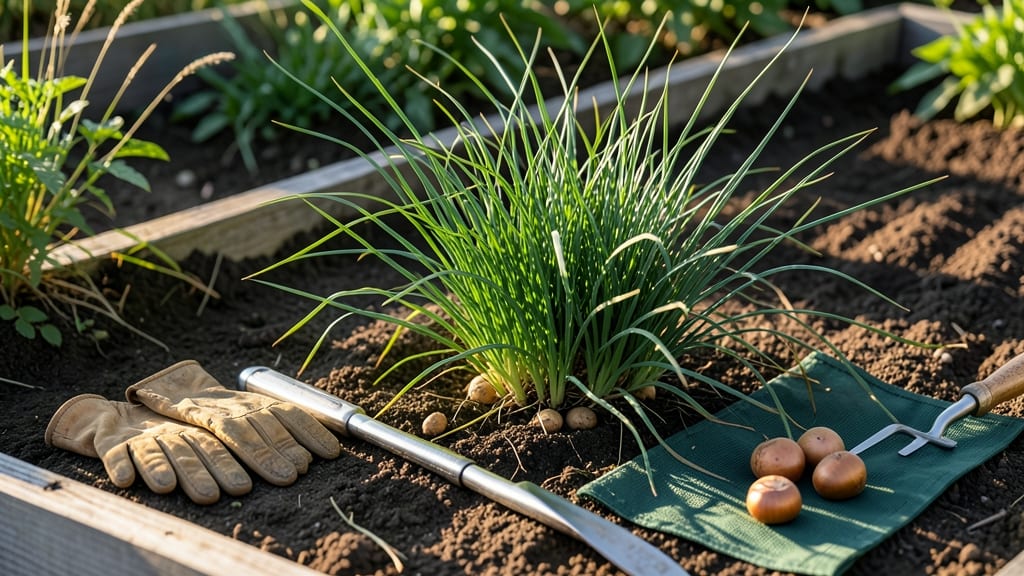
If you're dreaming of growing your own chufa—those crunchy, nutty tubers—when to plant chufa in Alabama is the first step to unlocking a thriving harvest.
Alabama’s warm climate is actually one of the best places to try, but timing your planting just right is the difference between a bountiful harvest and wasted effort, especially when you’re dealing with late spring heat and unpredictable summer rains.
The key to success lies in waiting until after the last frost—typically mid-April—but not so late that the soil stays too hot for germination. Chufa thrives when temperatures hover around 68°F or warmer for at least two weeks, which usually aligns with late May in most of Alabama.
Plant too early, and you risk frost damage; too late, and drought or heat stress can stunt growth before harvest.
I’ve tested this with my own chufa patch in Zone 7b-8a, and the results speak for themselves. By focusing on soil warmth and rainfall patterns, you can avoid common pitfalls like uneven sprouting or pest issues.
Let me walk you through the exact steps to time your planting for maximum yield—no guesswork, just science-backed results.
From soil prep to post-planting care, we’ll cover everything you need to know to grow chufa like a pro in Alabama’s unique growing conditions. Ready to turn your garden into a tiger nut treasure trove? Let’s get started.
Best planting windows for chufa in Alabama by soil temperature
Alabama’s USDA Zones 7b-8a create distinct soil warmth pockets that dictate when to plant chufa. In Northern Alabama (e.g., Huntsville), wait until mid-April when soil hits 68°F+ for 2+ weeks. In Southern Alabama (e.g., Mobile), you can start as early as late March—but verify with a soil thermometer.
Chufa seeds won’t germinate below 65°F, so patience prevents wasted effort.
Use a soil thermometer to confirm readiness. Stick it 4 inches deep (where roots form) and monitor for consistent warmth. Early plantings risk late frost damage, while late plantings may not mature before fall rains reduce tuber quality.
Aim for April 15–May 15 as your sweet spot across most of the state.
For heatwave-prone areas like Central Alabama, opt for early-maturing varieties (e.g., ‘Granada’) to avoid summer stress. If temperatures exceed 95°F for prolonged periods, provide afternoon shade with lightweight row covers to protect young plants. Mulch with straw to retain moisture and regulate soil temps.
Here’s how Alabama’s three main regions differ in planting windows:
If you miss the spring window, consider a late summer replant (August) for a fall harvest. However, tubers may be smaller, and disease pressure (like Fusarium) rises with humidity. Always sterilize tools and rotate planting spots yearly to prevent soil-borne issues.
Pro tip: Pre-sprout seeds indoors 2–3 weeks before outdoor planting. Place seeds in a moist paper towel in a sealed bag at 70°F. Once sprouted (1/4-inch roots), transplant directly into the garden. This jumpstarts growth and compensates for Alabama’s short growing season.
Monitor Alabama A&M Extension forecasts for localized frost alerts. Even in Zone 8a, unpredictable cold snaps can occur. If planting late, use row covers or cold frames to protect young shoots until soil temps stabilize.
For container growing, plant in large pots (12"+ diameter) filled with sandy loam. Containers warm faster than soil, so you can plant 1–2 weeks earlier than in-ground. Just ensure pots have drainage holes to prevent root rot in Alabama’s humid summers.
Remember: Chufa thrives on consistency. Once planted, maintain even moisture and full sun for 120 days to harvest plump tubers. Skip the guesswork—soil temperature is your best friend in Alabama’s variable climate.
Rainfall requirements & drought-proofing chufa in Alabama’s unpredictable climate
Alabama’s unpredictable rainfall can make or break your chufa harvest. Unlike drought-tolerant crops like okra, chufa thrives with consistent moisture during its first 60 days of growth.
The Wiregrass region often faces sandy soils that drain too quickly, while the Black Belt struggles with clay-heavy soils that hold excess water. Both extremes demand strategic planning.
Timing your planting to align with Alabama’s natural rainfall peaks is key. The April-May window typically offers the best balance of soil warmth and moderate rainfall, reducing your need for supplemental irrigation.
However, if you’re planting in June or July, be prepared for intense heat stress and rely on drip irrigation to maintain soil moisture.
Here’s how to adapt your watering strategy based on Alabama’s microclimates:
- Wiregrass Region (Sandy Soils): Plant in late April to catch spring rains. Use mulch to retain moisture and water every 3-4 days during dry spells. Drip lines are ideal to avoid runoff.
- Black Belt (Clay Soils): Aim for early May planting to avoid waterlogged soil. Amend clay with sand and compost to improve drainage. Water deeply 2x weekly to encourage root growth.
- North Alabama (Cooler Zones): Delay until mid-May when soil temps hit 68°F+. Use soaker hoses to prevent fungal diseases from overhead watering.
If Alabama’s summer droughts strike early, don’t panic. Chufa is surprisingly resilient once established. My 3-step drought contingency plan has saved multiple harvests: