
Plants
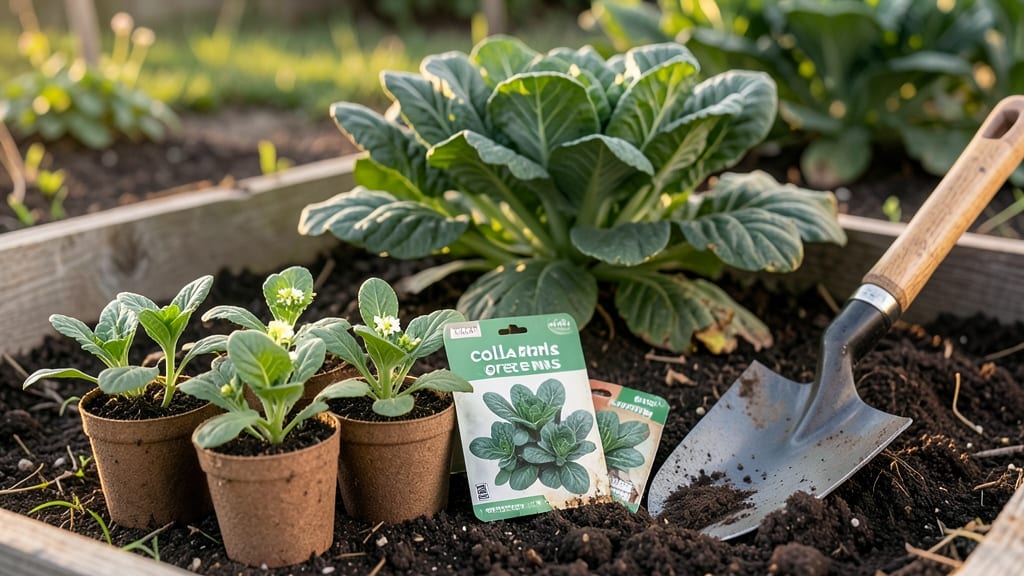
Planting collard greens 🥬 in Tennessee at the wrong time can leave you with bitter-tasting leaves—or worse, no harvest at all. The key to success lies in understanding your local frost dates and how these hardy greens handle Tennessee’s mild winters.
Unlike heat-sensitive veggies, collards actually thrive in cooler weather, making them perfect for Tennessee’s 6a-7b zones. But timing matters: plant too early, and you risk bolting; too late, and heat stress sets in. Let me show you the exact frost-resistant schedule that guarantees year-round harvests.
Whether you’re aiming for a spring bounty or a fall-to-winter feast, this guide covers the ideal planting windows—from March through April for spring and August through September for fall. We’ll also tackle how to extend your harvest through light frosts without losing your plants.
Ready to grow collards that taste sweeter after a frost? Let’s dive into the step-by-step schedule that Tennessee gardeners swear by for bountiful, cold-hardy greens all season long.
Optimal planting windows for collard greens in Tennessee’s climate zones
Tennessee’s USDA Zones 6b-7a create perfect conditions for growing collard greens, but timing is everything. The last frost date (around March 15) and first frost date (around November 1) define your planting windows.
For maximum yield, focus on spring and fall plantings, as summer heat stresses these cool-season crops.
In spring, plant collards 4-6 weeks before your last frost date—typically between March 15 and April 30. This gives seedlings time to establish roots before warm soil temperatures arrive.
For fall harvests, sow seeds 8-10 weeks before the first frost, usually between August 1 and September 15. This schedule ensures mature leaves before winter slows growth.
Direct sowing works best for fall plantings, while transplanting seedlings (purchased or homegrown) gives you more control in spring. Seedlings should be 4-6 inches tall with 3-4 true leaves before transplanting to avoid shock. Harden them off for 5-7 days by exposing them to outdoor conditions gradually.
Tennessee’s microclimates matter—mountain regions (Zone 6b) have earlier frost dates than the Nashville area (Zone 7a). Adjust your schedule by 1-2 weeks if you’re in higher elevations. For example, Chattanooga gardeners might plant 2 weeks earlier than those in Memphis.
Here’s a quick reference for Tennessee’s planting zones and their ideal schedules:
| Region | USDA Zone | Spring Planting | Fall Planting | Notes |
|---|---|---|---|---|
| East Tennessee (e.g., Knoxville) | 6b | March 1 - April 15 | July 30 - September 1 | Cooler nights; extend fall season |
| Middle Tennessee (e.g., Nashville) | 7a | March 15 - April 30 | August 1 - September 15 | Longer growing season; watch for heat stress |
| West Tennessee (e.g., Memphis) | 7b | March 20 - April 15 | August 15 - September 30 | Hotter summers; prioritize fall crops |
For year-round harvests, try a succession planting strategy. Sow new seeds every 2-3 weeks during your optimal planting windows to ensure a steady supply. This works especially well in fall, where staggered plantings can extend your harvest until December in milder years.
Prepare your soil 2-3 weeks before planting by amending it with compost or aged manure to improve drainage and fertility. Collards thrive in slightly acidic soil (pH 6.0-6.8).
Test your soil’s pH and adjust with lime (to raise pH) or sulfur (to lower pH) if needed. A well-draining, loamy soil prevents root rot and encourages robust growth.
After planting, maintain consistent moisture—collards dislike dry soil but also hate waterlogged conditions. Mulch with straw or shredded leaves to retain moisture and suppress weeds. This is especially critical in spring, when erratic rainfall can stress young plants.
Pro tip: If you’re in Zone 7a or warmer, consider a small winter harvest by planting late-summer seeds (August) and using row covers to protect plants from light frosts (28-32°F). Some varieties, like 'Georgia Southern', can tolerate brief dips to 15°F with proper protection.
How to extend collard green harvests through Tennessee’s freezes
Tennessee’s winters may be mild, but unexpected light frosts (28-32°F) or even hard freezes below 20°F can devastate your collard greens if you’re not prepared. The good news? With the right strategies, you can extend harvests well into winter—and even improve flavor after a frost!
Collards are cold-hardy down to 15°F, but young plants or sudden freezes still pose risks. The key is layered protection: combine mulching, row covers, and cold-resistant varieties to shield your plants. Let’s break down the best methods to keep your collards thriving through Tennessee’s chilliest months.
🌱 Pro Tip: Start by choosing frost-tolerant varieties like 'Vates' or 'Georgia Southern,' which handle 20°F temperatures without wilting. These varieties are Tennessee-proven and perfect for winter gardens.
⚠️ Freeze Alert: Protect Young Plants First
Mature collards (6+ inches tall) can survive light frosts, but seedlings or young transplants are vulnerable. Use row covers or straw mulch to shield them during 25-32°F nights. For hard freezes (<20°F), cover plants with burlap or frost blankets and remove during the day to prevent overheating.
For long-term freeze protection, focus on mulching. Apply a 4-6 inch layer of straw or leaves around the base of plants in late October. This insulates roots and keeps soil temperatures stable. Pair mulch with a lightweight row cover for extra defense during sub-25°F nights.
Watering plays a critical role too. Avoid wet foliage before a freeze—it can crystallize and damage leaves. Instead, water deeply 1-2 days before a predicted frost to help plants absorb moisture. Then, stop watering entirely until temperatures rise above freezing to prevent soil from becoming too cold.
🌿 Harvest Hack: After a light frost (28-32°F), collards actually sweeten up! Harvest leaves within 24-48 hours of a freeze for the best flavor. Just avoid harvesting after hard freezes (<20°F)—let plants recover for 3-5 days before picking.