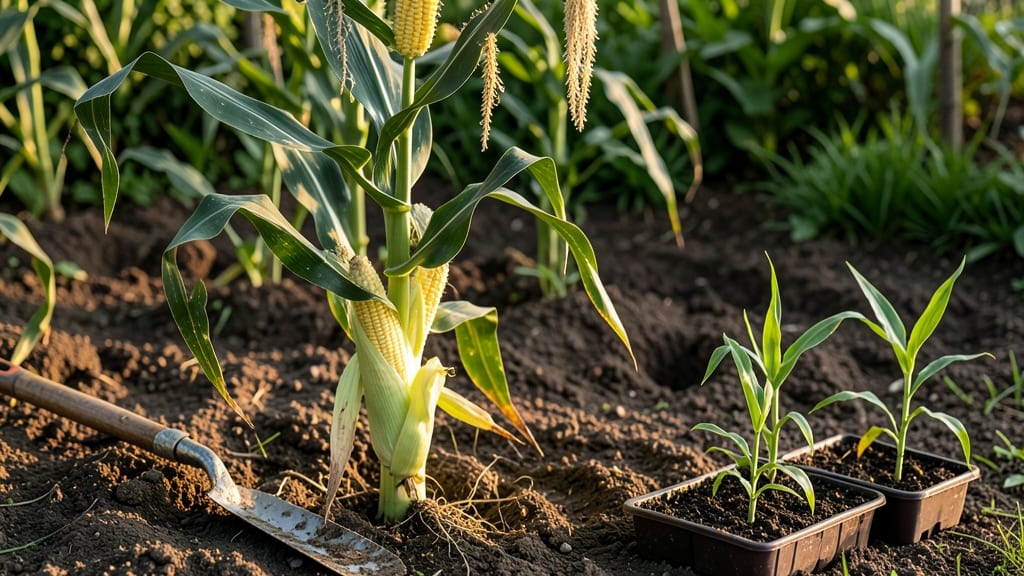
Planting corn in Virginia at the wrong time can turn your 🌽 dreams into a sad, stunted harvest—especially when late frosts or scorching heat ruin your crop before it even gets started.
Most gardeners in USDA zones 6a-8a know timing matters, but did you realize the mid-April to early June window isn’t just a suggestion? It’s the difference between plump, sweet kernels and sad, underdeveloped ears.
The key is waiting for soil temps to hit 60°F and avoiding those sneaky last frosts that can wipe out tender seedlings overnight.
In this guide, I’ll break down exactly when to plant in Virginia’s five distinct climate zones, how to calculate your local frost dates, and the 5 signs you’re planting too early (spoiler: slow germination is just the beginning).
Whether you’re in the Coastal Plain or the Blue Ridge Mountains, these tips will help you time your planting for peak yields—so you can enjoy fresh, homegrown corn from July through October.
Jan
❄️
Feb
❄️
Mar
🌱
Apr
🌽
May
🌽
Jun
🌱
Jul
☀️
Aug
☀️
Sep
🍂
Oct
🍂
Nov
🍂
Dec
❄️
Virginia corn planting dates by region: avoid early & late mistakes
Virginia’s diverse climate—from coastal warmth to mountain chill—means corn planting dates vary dramatically across regions. In USDA zones 6a-8a, timing your sweet corn correctly ensures robust growth and avoids frost damage.
The last spring frost typically arrives between late March (zone 8a) and early May (zone 6a), while the first fall frost hits mid-October to early November. Planting too early risks cold-soil germination failures, while late planting may delay harvests past peak flavor.
For optimal yields, aim to plant 2-3 weeks after your last frost date, when soil temperatures consistently reach 60°F+. This ensures seeds germinate quickly and plants mature before fall frosts.
Virginia’s five distinct regions—Coastal Plain, Piedmont, Blue Ridge, Valley, and Appalachian Plateau—each have unique microclimates that affect planting windows. For example, Tidewater (zone 8a) can plant 3 weeks earlier than Mountain regions (zone 6a).
Here’s how to align your planting with Virginia’s regional frost patterns and soil readiness:
| Region |
USDA Zone |
Last Frost Date |
Ideal Planting Window |
Soil Temp Threshold |
Key Notes |
| Coastal Plain (Tidewater) |
7b-8a |
Late March |
Mid-April to early May |
60°F+ |
Humid; watch for fungal diseases |
| Piedmont |
6b-7a |
Early April |
Late April to mid-May |
60°F+ |
Moderate climate; best for home gardens |
| Blue Ridge |
6a-6b |
Mid-April |
Late April to early June |
65°F+ (cooler soils) |
Higher elevation; shorter growing season |
| Valley (Roanoke) |
6b-7a |
Late March |
Early April to mid-May |
60°F+ |
Warmer microclimate; extend season |
| Appalachian Plateau |
6a-6b |
Early May |
Late May to early June |
65°F+ |
How to calculate your local frost dates for corn success
Calculating your local frost dates is the secret weapon for Virginia gardeners who want to plant corn at the perfect time. Unlike generic advice that suggests "plant in spring," your exact frost dates determine whether your corn gets a head start or gets nipped by late frosts.
For example, Richmond’s last frost typically hits mid-April, while Roanoke’s can linger until early May—a difference of weeks that matters for your harvest.
Start by checking the USDA Plant Hardiness Zone Map for your area. Virginia spans zones 6a through 8a, but even within the same zone, microclimates (like urban heat islands or mountain valleys) can shift frost dates by 1-2 weeks.
Use tools like the Old Farmer’s Almanac or the National Oceanic and Atmospheric Administration (NOAA) frost prediction maps to get historical averages for your specific location.
Step 1: Find Your Last Frost Date
Look up your average last frost date for your county. For instance, Norfolk (Zone 8a) usually sees its last frost around March 15, while Blacksburg (Zone 6b) waits until May 1. Add 2-3 weeks to this date to account for soil warming—corn seeds need 60°F+ soil temps to germinate.
Step 2: Adjust for Microclimates
If you live in a low-lying area or near water, frosts may arrive earlier. Conversely, urban areas or south-facing slopes can delay frosts by 1-2 weeks. Use a soil thermometer to confirm temps—corn seeds won’t sprout until the soil hits 50°F for 10+ days.
Step 3: Plan for a Backup Planting
Sow successive plantings every 2 weeks until June 1 to extend your harvest. This ensures you’ll have corn ready to pick from July through September, even if your first planting gets delayed.
For example, if your last frost is April 15, plant your first batch April 30 and follow up with another May 15.
Step 4: Use Row Covers for Early Starts
If you’re eager to plant before your frost date, use floating row covers to protect seedlings. These can push your planting window 2-3 weeks earlier by trapping heat. Remove covers once plants are 6 inches tall to avoid overheating.
Step 5: Track Your Local Trends
Frost dates shift yearly due to climate change. Keep a garden journal or use apps like PlantNet to log your frost dates and adjust future plantings. For example, Lynchburg’s last frost has moved up 1 week earlier over the past decade.
Pro tip: Corn needs 90-120 days to mature, so count backward from your first frost date. If your frost hits October 15, aim to plant by June 15 for a full harvest.
For sweet corn varieties like ‘Silver Queen’ or ‘Peaches and Cream,’ which mature in 70-80 days, you can push plantings later—even into early July for a fall harvest.
Don’t forget to account for soil temperature, not just air temperature. A soil thermometer is your best friend here—corn seeds won’t germinate until the soil reaches 50°F consistently. In cooler zones like Zone 6a, this might mean waiting until mid-May even if your frost date is earlier.
By mastering these steps, you’ll avoid the heartbreak of frost-damaged seedlings or underdeveloped ears. Instead, you’ll enjoy a bountiful harvest of sweet, homegrown corn—just in time for summer barbecues. 🌽
★★★★★5.0(13 reviews)