
Plants
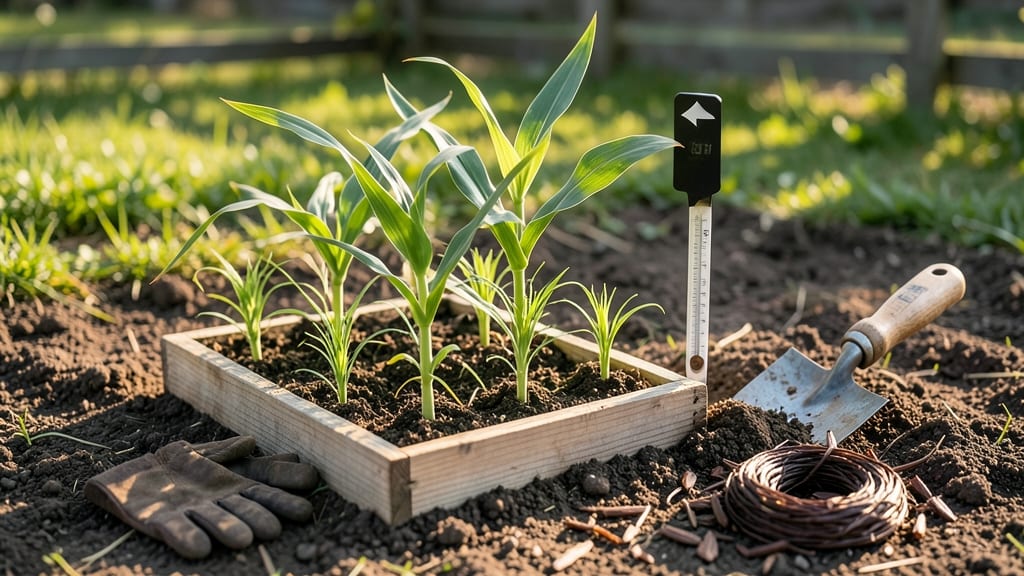
Planting corn 🌽 in Zone 6b feels like walking a tightrope—get the timing wrong, and you’re staring at a garden full of sad, stunted stalks instead of golden ears.
The difference between a thriving crop and a total flop often comes down to those 2-3 critical weeks after the last frost when soil finally warms up.
Most gardeners in Zone 6b know the general rule: wait until the soil hits 60°F and the danger of frost has passed. But here’s the catch—planting too early means seeds rot in cold soil, while waiting too long cuts your harvest short.
I’ve seen both mistakes firsthand, and the results? Not pretty.
What if you could pinpoint the exact window—down to the day—to maximize your corn’s growth potential? That’s what I’m here to help you do.
We’ll break down the ideal planting dates, how to adjust for your specific microclimate, and even how to stretch your growing season if Mother Nature throws a curveball.
By the end, you’ll know not just when to plant, but why those dates matter most in Zone 6b. Let’s get your corn off to the best possible start—because once those seeds hit warm soil, there’s no stopping them.
Optimal corn planting dates in Zone 6B: soil temperature & frost timeline
In Zone 6B, corn (Zea mays) thrives when planted after the last frost date—typically around April 15—but the real secret is soil temperature. Cold soil slows germination, so wait until it reaches 60°F or warmer at a depth of 2 inches.
This usually lands between late April and mid-May, depending on your exact location within the zone.
Zone 6B offers about 165 frost-free days, which is perfect for medium-maturity corn varieties (80–110 days to harvest). Early varieties (60–80 days) can squeak in if planted by April 15, while late varieties risk frost damage if planted after May 15.
The ideal planting window is a 3-week span centered on May 1 for most gardeners.
Here’s the critical timeline to nail your planting:
| Stage | Action | Zone 6B Timeline |
|---|---|---|
| Soil Prep | Test soil temp at 2" depth | Early April (wait for 60°F+) |
| Planting Window | Direct sow seeds 1-1.5" deep | April 15–May 15 |
| Germination | Sprouts in 7–14 days (if soil ≥60°F) | Late April–early May |
| Harvest Ready | Silks brown + kernels milky | July–September |
| First Frost Risk | Avoid planting after this date | October 15 |
If you’re in the northern edge of Zone 6B (e.g., near Chicago or Detroit), aim for May 1–15 to avoid late frosts. Southern areas (e.g., Lexington, KY) can plant as early as April 20 if soil warms faster.
Always check your local last frost date—even a 28°F frost can devastate young corn plants.
Corn is a warm-season crop, so transplanting seedlings isn’t recommended—direct sowing ensures stronger roots. However, if you’re using starter plants, harden them off for 5–7 days before transplanting after May 10.
Avoid planting in low-lying areas where cold air pools, as these spots can stay 10°F colder than higher ground.
To extend your growing season, consider black plastic mulch or row covers to warm soil faster. These methods can shave 1–2 weeks off your planting timeline by raising soil temps by 5–10°F. Just remove covers once plants are 6 inches tall to prevent overheating.
One common mistake in Zone 6B is planting too late for full maturity. For example, a 100-day variety planted on May 20 might not reach harvest before frost. Always calculate your first frost date minus the variety’s days to maturity to set your deadline.
For instance, a 90-day corn needs to be planted by July 15 to avoid frost—so aim for May 15 at the latest.
For maximum yield, plant in blocks (not rows) to ensure cross-pollination. Space seeds 4–6 inches apart in 3-foot-wide rows, and thin seedlings to 12 inches apart once they’re 4–6 inches tall. This spacing gives plants room to grow 6–12 feet tall without competing for sunlight or nutrients.
Finally, monitor your corn’s progress with a growth chart. Most varieties grow 1–2 inches per day once established
Optimal corn planting dates in Zone 6B: soil temperature & frost timeline
Zone 6B gardeners face a tight window for planting corn—too early, and cold soil stalls germination; too late, and frost cuts yields short. The ideal planting window spans April 15 to May 15, but success hinges on soil temperature and frost risk.
Most Zone 6B areas experience their last frost around April 15, but soil may still be too cool for corn’s needs.
Corn seeds need soil temperatures of 60°F (15°C) or warmer to sprout reliably. A soil thermometer is your best tool—wait until readings consistently hit this mark, which often means delaying planting until mid-May in cooler microclimates. Rushing can lead to slow germination or even rot in damp, chilly soil.
Here’s the critical timeline for Zone 6B corn planting:
| Stage | Action | Key Detail |
|---|---|---|
| Soil Prep | Test soil temperature | Must reach 60°F+ for 5+ days |
| Planting Window | Sow seeds | April 15–May 15 (adjust for local frost dates) |
| Germination | Monitor soil warmth | Sprouts appear in 7–14 days at ideal temps |
| Frost Risk | Protect seedlings | Use row covers if frost threatens after planting |
| Harvest Ready | Check silks | July–September for most varieties |
If your soil warms slower than average, consider staggered planting—sow a small batch in early May and another in late May to spread out your harvest. This strategy also helps if you’re growing multiple corn varieties with different maturity times.
For example, a short-season variety like ‘Early Sunglow’ (80 days) can go in earlier, while a medium-season type like ‘Silver Queen’ (100 days) may need to wait until mid-May.
Don’t rely solely on calendar dates—soil temperature is the true decider. Place a thermometer 1 inch deep (corn’s ideal planting depth) and wait for consistent readings above 60°F.
In cooler Zone 6B pockets, this might push planting to late May, but the trade-off is worth it for vigorous seedlings that won’t rot in cold soil.
Pro tip: Use black plastic mulch to warm soil faster if you’re eager to plant early. Lay it down 2–3 weeks before sowing to raise soil temps by 5–10°F, accelerating germination. Just remember to remove it once plants emerge to avoid overheating.
Zone 6B’s first frost typically arrives around October 15, giving corn 165 frost-free days. This aligns perfectly with medium-season varieties (90–110 days), but early frosts can still sneak in. Always have row covers or a cold frame on hand to protect late-season plants if temperatures dip unexpectedly.