
Plants
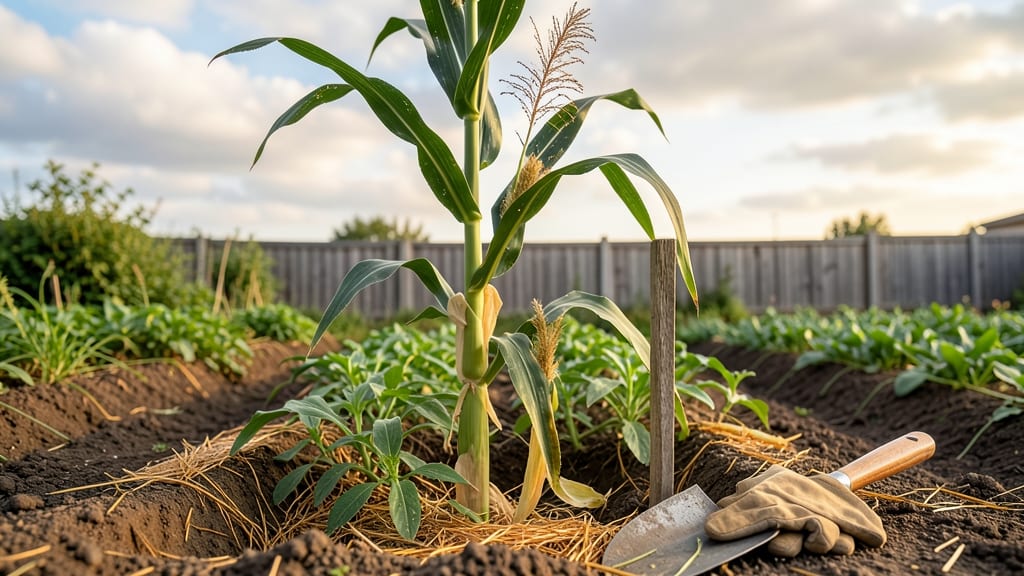
Timing your corn planting just right in Western Washington could mean the difference between a floppy, half-hearted harvest and ears of sweet, plump 🌽 that make your neighbors jealous. With our cool, coastal climate and unpredictable spring weather, getting those seeds in the ground at the perfect moment is everything.
Most gardeners in zones 8a-9a wait until late April or early May, but that’s not always the best move—especially near the coast where fog lingers and soil stays cold longer.
The key is watching for consistent soil temperatures above 50°F and nighttime lows that won’t dip below 55°F, not just following a calendar date.
In this guide, I’ll break down the exact planting windows for your microclimate, whether you’re growing sweet corn, popcorn, or field corn. You’ll learn how to adjust for coastal delays, choose the right varieties for your short season, and even extend your harvest with smart timing tricks.
Ready to turn your garden into a cornucopia? Let’s get those seeds in the ground at the right time—so you’re feasting on fresh 🌽 by midsummer instead of crossing your fingers for a decent yield.
Optimal corn planting dates in Western Washington’s coastal zones
Western Washington’s cool, maritime climate demands precision when planting corn. Unlike warmer regions, corn here needs soil temperatures above 50°F (10°C) and consistent warmth to thrive.
The average last frost date is April 15, but coastal areas like Seattle and the Olympic Peninsula often experience delays due to lingering fog and chilly nights.
Timing is everything—plant too early, and frost will kill seedlings; too late, and your short growing season (165 frost-free days) may not yield mature ears. Most gardeners in USDA Zones 7b-9a succeed with late April to mid-May plantings, but microclimates play a huge role.
Inland areas like Yakima Valley can plant slightly earlier, while coastal gardens near Bellingham or Port Townsend may need to wait until early May.
Here’s the critical planting window broken down by region and variety type to maximize your harvest potential:
| Region | Best Planting Window | Soil Temp Requirement | Days to Maturity | Notes |
|---|---|---|---|---|
| Coastal (Seattle, Olympia, Bellingham) | Early to mid-May | 50–55°F (10–13°C) | 60–75 days | Use cold-tolerant varieties; risk of late frost |
| Inland Valleys (Yakima, Wenatchee) | Late April | 50–55°F (10–13°C) | 70–90 days | Warmer microclimate; can plant early varieties first |
| Puget Sound (Tacoma, Everett) | Mid-April to early May | 50–55°F (10–13°C) | 65–80 days | Stagger plantings for extended harvest |
| Olympic Peninsula (Forks, Port Angeles) | Late May | 55–60°F (13–16°C) | 55–65 days | Use dwarf varieties; shortest season |
For direct sowing, drop seeds 1 inch deep and 4–6 inches apart in rows spaced 2–4 feet apart. If transplanting starts, begin 4–6 weeks before your target outdoor date. Black plastic mulch can warm soil by 5–10°F, helping coastal gardeners plant earlier.
Pro tip: Test soil warmth with a soil thermometer. Corn seeds won’t germinate below 50°F (10°C), and cool soil can lead to rot or poor stands. If your soil is still chilly, consider a cold frame or row covers to jumpstart growth.
Remember, early varieties like 'Early Sunglow' (60 days) are your best bet for coastal areas, while mid-season types like 'Bodacious' (80 days) work well in inland valleys. Stagger plantings every 10–14 days to enjoy corn from July through September.
🌱
How to adjust planting for Western Washington’s unpredictable weather patterns
Western Washington’s coastal climate throws curveballs—think chilly ocean breezes, delayed soil warming, and unpredictable spring rains. These factors can push your corn planting window later than expected or even stall germination. The key is adapting your approach to match the weather, not fighting it.
Start by monitoring soil temperatures with a thermometer—corn needs 50°F (10°C) minimum to germinate. In cooler microclimates like Olympia or Bellingham, this might not happen until mid-May, while inland areas like Yakima could be ready by late April.
Use black plastic mulch or row covers to warm the soil faster if needed.
Western Washington’s persistent fog can delay soil warming by 2-3 weeks. If nighttime temps drop below 55°F (13°C) after planting, young seedlings may stunt or rot. Use frost blankets or cloche covers for the first 2-3 weeks to protect tender sprouts.
Another challenge? Sudden spring rains that turn soil into mud. Test your soil’s drainage before planting—corn hates waterlogged roots. Amend heavy clay with compost or sand to improve aeration. If rain delays planting, opt for early-maturing varieties (like 'Early Sunglow') to compensate for a shorter season.
For late-season planting, try succession sowing every 2 weeks in June to extend your harvest. Choose short-season varieties (60-70 days to maturity) to ensure ears mature before first frost. Space your plantings so you’re harvesting at different times, staggering the risk of early blight or corn earworm outbreaks.
Don’t overlook microclimate advantages. South-facing slopes or urban heat islands (like Seattle’s downtown) warm up faster than shaded valleys. Plant near dark-colored surfaces (like asphalt or gravel) to absorb and reradiate heat. Even a 5°F (3°C) difference can mean the difference between success and failure.
Finally, keep an eye on pollen shed timing. Corn needs warm, dry days (75°F+/24°C+) for successful pollination. If your plants tassel during a cool, wet spell, hand-pollinate by transferring pollen from tassels to silks with a paintbrush.
This extra step can save your crop when Mother Nature lets you down.