
Plants
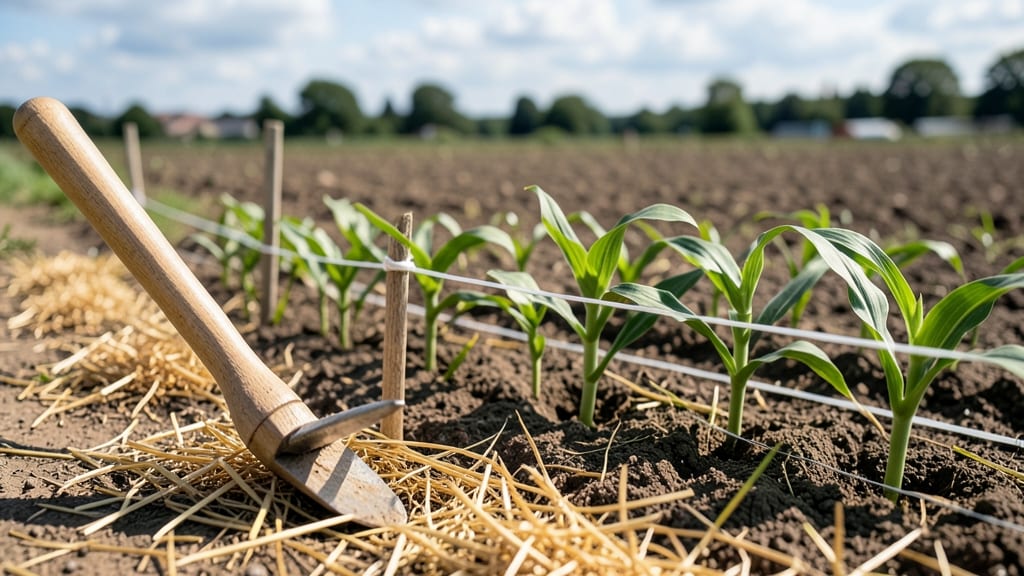
Planting corn in Arkansas at the wrong time can mean the difference between a golden harvest of sweet, plump ears and a sad, stunted crop that barely stands a chance.
With the state’s 7a-8b climate zones and unpredictable spring weather, getting the timing right is everything—especially when soil temperatures and frost dates play such a critical role.
Most Arkansas gardeners know the general rule: aim for mid-April to early June, but that’s not the whole story.
The real secret lies in waiting until the soil warms to at least 60°F, which can push your planting window into late April or even early May, depending on where you live. Skipping this step often leads to slow germination or worse—seeds that rot before they even sprout.
In this guide, I’ll break down the exact planting windows for your region, including how to use a soil thermometer to avoid common mistakes.
You’ll also discover how to adjust for early, mid-, and late-season varieties so you can stretch your harvest from late July all the way to October—no matter what Arkansas throws your way.
Whether you’re a first-time gardener or a seasoned farmer, these insights will help you plant with confidence and grow corn that’s ready for the table, the freezer, or the farmer’s market. Let’s get started!
Optimal Arkansas corn planting dates by soil temperature (not just frost!)
Corn thrives when planted at the right soil temperature, not just after the last frost. In Arkansas, 50°F soil is the minimum for germination, but 60°F+ ensures faster, stronger growth. Humidity and regional microclimates can shift these windows by weeks—so don’t rely solely on frost dates!
Northern Arkansas (e.g., Fayetteville, Zone 7a) often waits until mid-April when soil hits 60°F, while Southern Arkansas (e.g., Little Rock, Zone 7b) can start as early as late March. Use a soil thermometer to avoid guessing—cold, wet soil delays sprouting and invites rot.
A soil thermometer costs under $15 and saves weeks of frustration. Check temperatures at 1-inch depth in the morning for accuracy. If your soil is below 50°F, even after frost passes, delay planting until conditions warm up.
Here’s how Arkansas’s humidity and heat affect planting:
- High humidity (common in May) can slow soil warming—plant earlier in dry spells.
- Sudden heatwaves (like June’s 90°F+ days) may stress young plants, so aim for April-May for most varieties.
🌽 Arkansas Corn Planting Guide by Soil Temp
| Soil Temp | Planting Window | Notes |
|---|---|---|
| 50°F+ | Late March (South AR) | Slow germination; risk of rot |
| 60°F+ | Mid-April to May | Optimal for most varieties |
| 70°F+ | Early June (late varieties) | Fast growth; watch for drought |
💡 Pro Tip: Plant early varieties (60-day maturity) in April for summer harvests; late varieties (100+ days) in May-June for fall harvests.
For Northern Arkansas, aim for April 15–May 1 to avoid late-spring frosts. Southern Arkansas gardeners can push planting to early June for fall harvests, but monitor corn earworm migration—these pests peak in late May and early June.
If your soil stays below 60°F past May, consider row covers or warm-season mulches (like black plastic) to raise soil temps by 5–10°F. These tricks let you plant 2–3 weeks earlier without risking cold damage.
Never plant corn too early—even if frost risk passes. Cold soil stunts roots, making plants vulnerable to stalk rot and drought stress. Wait for consistent 60°F+ soil for at least 5 days before sowing seeds.
Use local Arkansas Extension Service data to refine your timing. For example, the University of Arkansas Cooperative Extension offers free frost maps and soil temp guides tailored to your county. Check their website or call your county agent for hyper-local advice.
For container-grown corn, soil warms faster in pots, so you can plant 1–2 weeks earlier than in-ground. Just ensure pots are at least 12 inches deep and use well-draining soil to prevent waterlogged roots.
Remember: Corn needs 60–90 days of warm weather to mature. Plant early varieties in April for summer harvests, and late varieties in May for fall harvests. Adjust based on your last frost date and first frost risk—Arkansas’s 210 frost-free days give you plenty of room to experiment!
Arkansas last frost dates by Zone: a county-by-county risk map for corn
Understanding Arkansas’s last frost dates is critical for corn planting success, as these dates determine your safe planting window. The state spans USDA Zones 7a to 8b, with northern regions like Benton County (Zone 7a) experiencing later frosts than southern areas like Arkansas County (Zone 8a).
These variations mean your planting timeline should shift depending on where you live—even neighboring counties can have 1-2 week differences in frost risk.
For most of Arkansas, the average last frost date falls between mid-March and early April. However, gardeners in Zone 7a (northwest Arkansas) should wait until April 15 or later, while those in Zone 8b (southeast Arkansas) can plant as early as March 20.
Always add a 2-week buffer after your local last frost date to account for late cold snaps, especially for early-maturing varieties like 'Silver Queen' (60-70 days to harvest).
| Region | USDA Zone | Avg. Last Frost | Safe Planting Window | Microclimate Note |
|---|---|---|---|---|
| Northwest (Benton, Washington) | 7a | April 1-15 | April 15-May 1 | Upland areas frost later |
| Central (Pulaski, Saline) | 7b | March 25-April 5 | April 1-May 10 | River valleys frost earlier |
| Southeast (Arkansas, Mississippi) | 8a-8b | March 10-20 | March 20-April 15 | Humidity delays frost |
Use these dates as a starting point, but always verify with your local Cooperative Extension Service for real-time updates. For example, Little Rock (Zone 7b) had its last frost on April 3 in 2022 but March 15 in 2023—a 2-week swing that could ruin an early planting.
Pro tip: Plant test rows of fast-maturing varieties (like 'Peaches and Cream') 2 weeks before your target date to gauge frost risk in real time.
Microclimates play a huge role in Arkansas. If you live near river valleys (e.g., White River), expect earlier frosts due to cold air settling in low areas. Conversely, upland regions like the Ozark Mountains often see later frosts because cold air drains away.
Adjust your planting by 1-2 weeks based on your specific elevation and proximity to water bodies.
For late-season varieties (like 'Golden Bantam'), you can push planting into early June—just ensure you have 90+ days until your first frost. Use this timeline: June 1 planting in Zone 7a should yield ears by September 1, before frost arrives.
However, earworm pressure peaks in late May-June, so consider using row covers or Bt-treated seeds for June plantings.
Track your local frost history using tools like the National Weather Service’s Frost/Freeze Forecast or apps like Frost Date Finder.
In Arkansas, first frost dates typically arrive between November 1-15, giving you a 210-day growing season—plenty of time for 2-3 corn plantings if you use succession planting.